

Are Your PVC-U Sash Windows Ready For The Super Regulator?
The regulatory landscape around windows is tightening. Fast.
Across the glazing industry, there is growing talk of the “Super Regulator”. Not a single new authority, but a shift towards tougher, more coordinated enforcement of Building Regulations, product standards, and energy performance requirements.
For anyone specifying, supplying, or installing PVC-U sash windows, this is no longer background noise. It has real implications for product choice, installation standards, and long-term compliance.
So the key question is no longer whether regulations will change, but whether the sash windows you are using are already built to withstand that scrutiny.
What Do We Mean By The Super Regulator?
The phrase “Super Regulator” is increasingly used to describe how regulatory oversight is evolving within the construction and glazing sectors.
Rather than isolated checks, we are seeing:
- closer alignment between Building Control, Part L enforcement, and product certification
- increased focus on whole-window performance, not just glazing
- less tolerance for borderline specifications or vague compliance claims
- greater responsibility placed on installers and suppliers, not only manufacturers
Part L of the Building Regulations, which governs energy efficiency in buildings, has already tightened significantly in recent years, with further changes expected as the UK works towards its net zero targets. Guidance on Part L can be found via the UK Government’s Building Regulations Approved Documents.
This matters because windows sit at the heart of several regulatory priorities, including energy efficiency, building safety, and long-term performance.
Why PVC-U Sash Windows Are Facing Greater Scrutiny
PVC-U sash windows have grown in popularity for good reason. They offer a strong alternative to timber, particularly in refurbishment, heritage-style developments, and mixed housing stock.
However, not all PVC-U sash windows are designed to the same standard.
As enforcement tightens, regulators are looking beyond surface aesthetics and asking harder questions about how these windows actually perform.
Key areas under the microscope include:
- frame design and chamber construction
- glazing specification and spacer technology
- air permeability and draught performance
- consistency of manufacture
- quality of installation on site
A sash window that looks traditional but lacks robust performance data is far more likely to be challenged than it would have been even a few years ago.
Part L, U-Values, And Whole-Window Performance
Part L continues to push expectations upwards. Lower U-values, improved energy efficiency, and reduced heat loss are now central requirements rather than future goals.
For PVC-U sash windows, this has several knock-on effects.
Older double-glazed specifications that once passed without question may now struggle to meet current expectations. Decorative elements such as bars or horns can negatively affect performance if poorly designed. Frame-to-glass ratios also play a much larger role than many installers realise.
Increasingly, it is the whole-window U-value that matters, not just the glazing unit in isolation.
This is where modern sash window systems with slim but thermally efficient profiles, advanced glazing options, and certified test data make a measurable difference. Mercury Glazing’s PVC-U window ranges are designed with current Part L requirements in mind.
Balancing Heritage Appearance With Modern Compliance
One of the most persistent myths in the glazing world is that traditional appearance and regulatory compliance are fundamentally at odds.
That may once have been true, but it no longer needs to be.
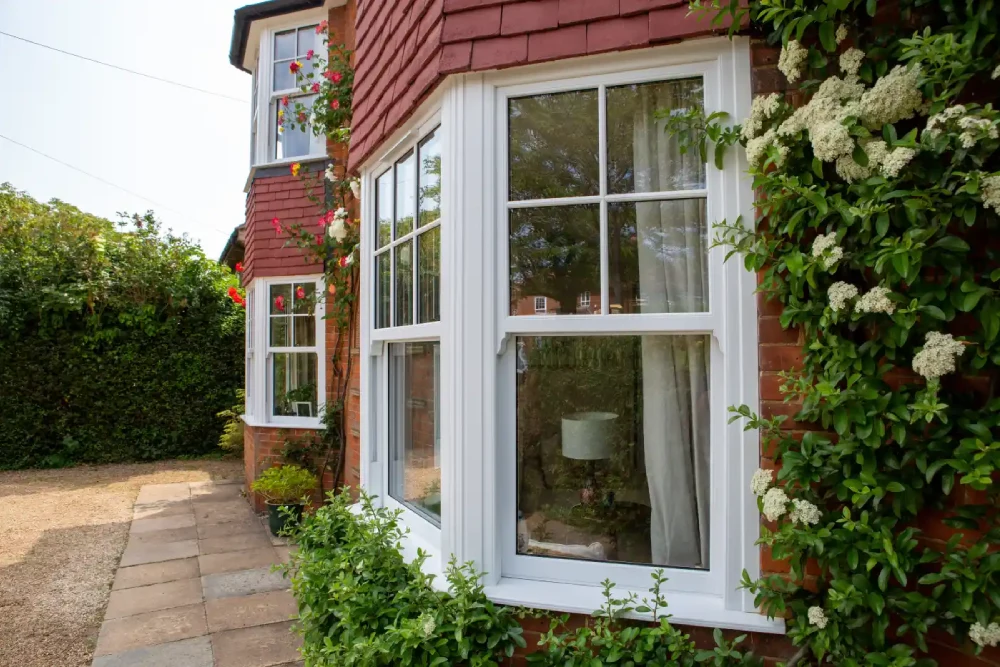
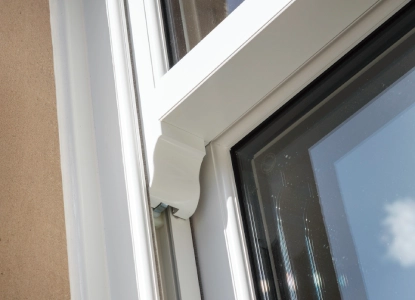
Today’s PVC-U sash windows can closely replicate classic timber proportions while still delivering strong thermal performance. Mechanical joints, run-through sash horns, slim sightlines, and carefully considered detailing all help achieve this balance.
What regulators and planners increasingly want to see is not compromise, but proof.
That includes:
- documented performance data
- glazing specifications appropriate to the building type
- evidence that aesthetic features do not undermine efficiency
- confidence that the product is fit for long-term use
This is particularly important in conservation-led projects, where windows must satisfy both planning officers and Building Control. Purpose-designed heritage-style sash windows, rather than generic profiles adapted after the fact, are far better positioned to meet these expectations.
The Growing Responsibility On Installers And Specifiers
Perhaps the most significant change brought about by the Super Regulator effect is where accountability now sits.
Installers can no longer rely solely on a manufacturer’s headline claims. Poor installation, incorrect specification, or missing documentation can all trigger compliance issues, delays, or even remedial work.
This aligns closely with wider regulatory changes around building safety and accountability, including the strengthened role of Building Control bodies and the emphasis on traceability throughout the supply chain.
For installers and developers, this places greater importance on working with suppliers who provide:
- clear and accessible technical documentation
- consistent product performance across batches
- reliable support when Building Control queries arise
- sash window systems designed to meet current regulations, not historic ones
Are Your Current Sash Window Specifications Fit For The Future?
A useful sense-check for any installer or developer is to ask three simple questions.
Can I clearly demonstrate Part L compliance today?
Would this product still meet tightening standards in the next regulatory cycle?
Do I have the documentation to satisfy Building Control if challenged?
If the answer to any of these is uncertain, the specification may already be behind the curve.
Future-proofing does not mean chasing every regulatory rumour. It means choosing sash window systems that already exceed minimum requirements and are engineered with long-term compliance in mind.
What This Shift Means For Mercury Glazing Customers
For Mercury Glazing, the rise of the Super Regulator reinforces an approach that is already well established.
PVC-U sash windows are designed to balance heritage aesthetics with modern performance, supported by proper certification and transparent technical data. Whether for refurbishment, new build, or heritage-style projects, the focus is on supplying products that stand up to scrutiny today and tomorrow.
For installers, developers, and specifiers, that means fewer surprises, smoother approvals, and greater confidence that the windows you install now will not become a regulatory headache later.
The Super Regulator is not something to fear, but it does reward those who are prepared.
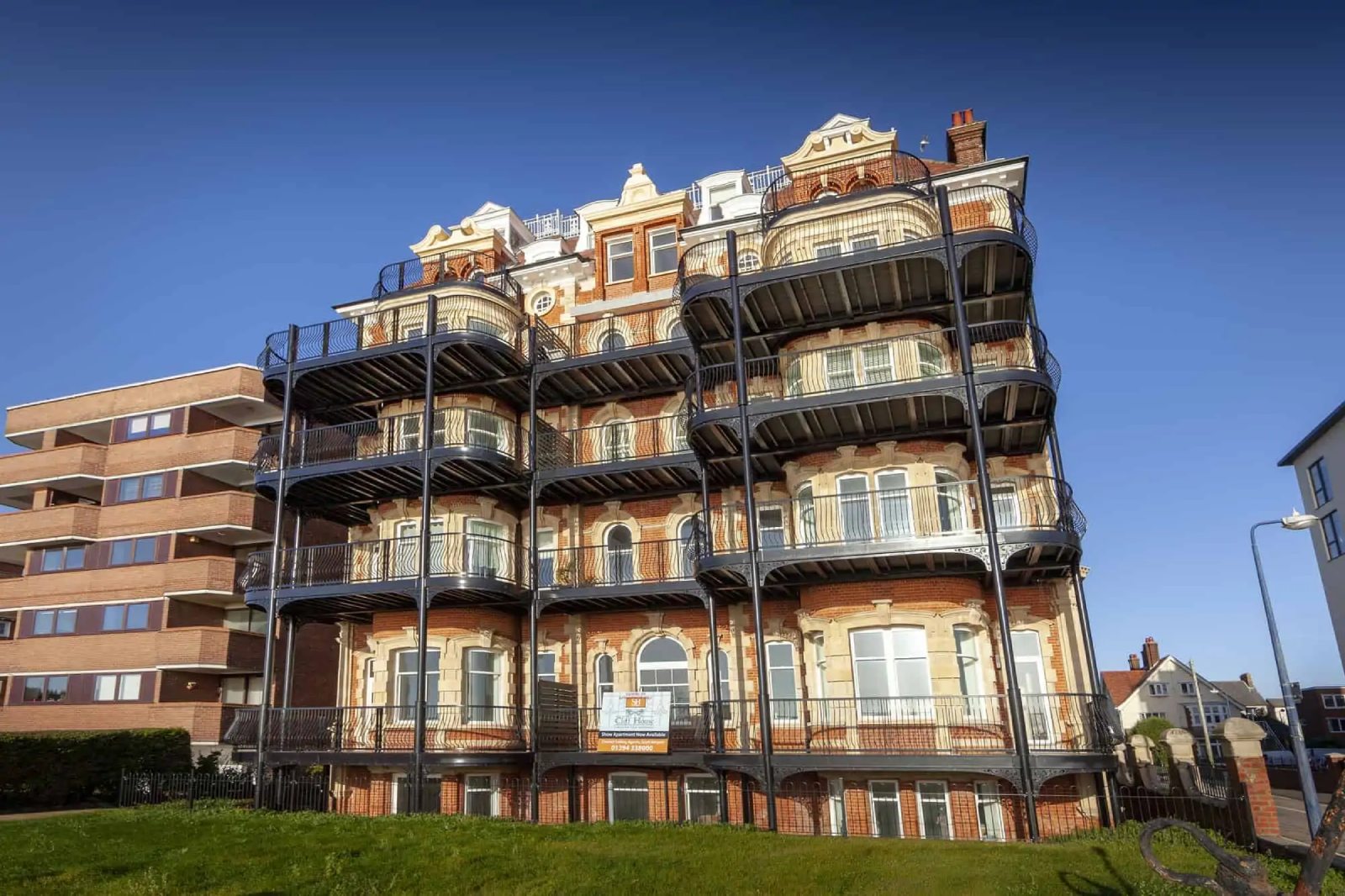
Cliff House, Felixstowe
VIEW PROJECT
Foxhill House, Chester
VIEW PROJECT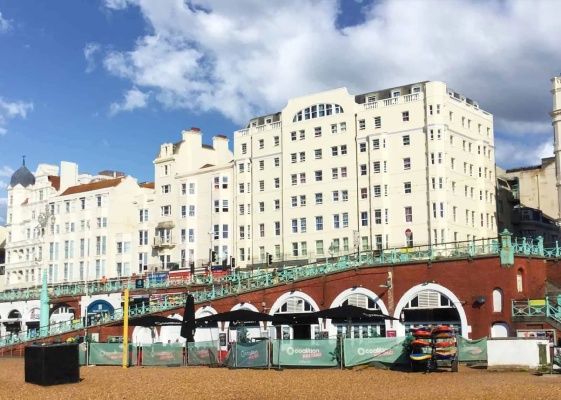
University of Sussex, Brighton
VIEW PROJECT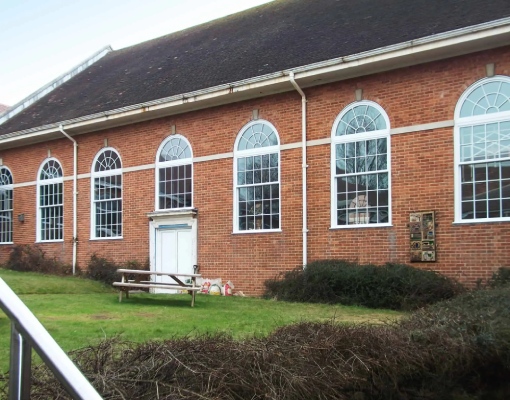
Varndean College, Brighton
VIEW PROJECTFrom sash windows to aluminium bifold doors, our high-quality products are engineered and manufactured right here in Britain. We work with fellow UK-operated companies, Spectus Window Systems, Smart Systems, and Jack Aluminium Systems, to deliver only the very best to our trade, commercial and residential customers.
How much do French doors cost to install in the UK?
The cost of installing French doors in the UK varies depending on the size, material, and design. At Mercury Glazing, we offer competitive pricing tailored to your specific needs. Please contact us for a personalised quote.
How to fit door handles?
Fitting door handles can be a straightforward process. First, measure and mark the position on the door, drill the necessary holes, then attach the handle with screws. For detailed instructions or professional fitting services, feel free to reach out to us.
How to replace patio doors?
Replacing patio doors involves removing the old doors, preparing the opening, and installing the new doors. It's a task best handled by professionals to ensure a perfect fit and functionality.
How much do patio doors cost?
The cost of patio doors varies based on size, material, and design. Contact us at Mercury Glazing for a bespoke quote that matches your specific requirements.
How much are French doors?
The price of French doors depends on the material, size, and design details. We offer a range of options to suit various budgets. Please get in touch for a tailored quote.
OUR ACCREDITATIONS