
Sash Window Maintenance 101: Protecting Your Investment

How to plan your home renovation

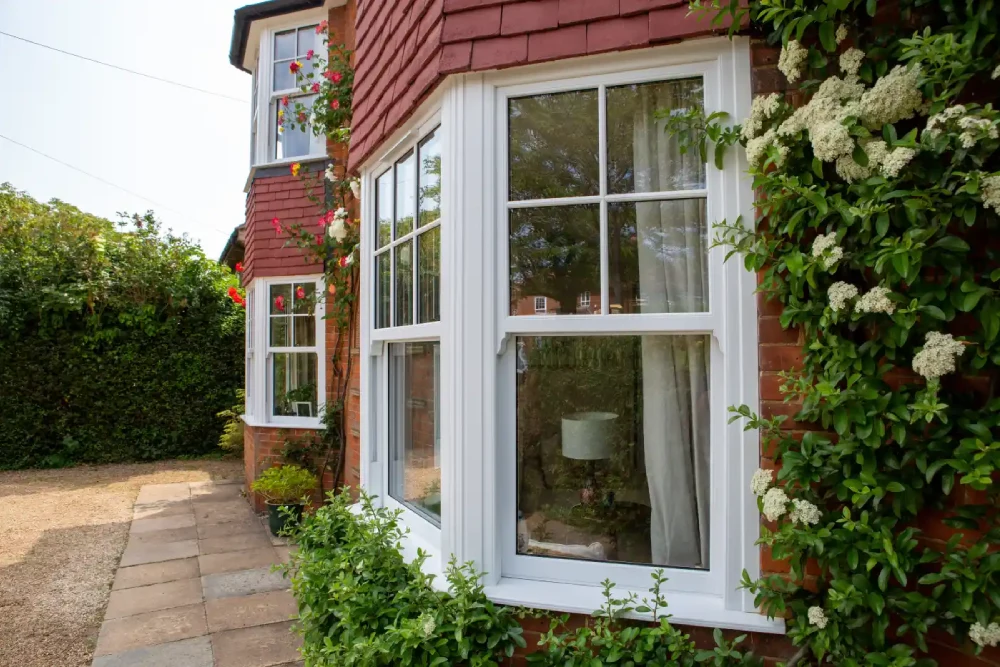
Sash windows have been popular for a long time. Their distinctive design can be seen through the Georgian, Victorian and Edwardian periods – and right in to the modern age.

The old adage is that while fashion is temporary, style is timeless. This would certainly be the case with sash windows – and this sustained popularity has meant that they have been adapted to suit contemporary aesthetic tastes and functional requirements, ensuring their place in the architectural plans of tomorrow.

A properly functioning sash window is a thing of simplistic beauty. Buildings from the 18th century with their original sash installations still intact are testament to the fact that, when adequately maintained, they can be a feature of a property for generations to come.

So, if you have sash windows – or are thinking about making the transition – read on to find out how to keep them working like new and looking their best…

The Like-For-Like Principle

When it comes to working on our homes, tasks can often be split into two main categories: repairs and replacements. Sash windows are known for their character and elegance and it would be a shame to lose these attributes as a result of any upgrades done.

For this reason, it is advised to repair or replace your sash windows with items that are close to the originals. This will help ensure that your new design is stylistically similar to what was there before and the logic goes for the materials used as well as the window unit itself.

Maintenance Checklist
With a little care and attention, sash windows should last a long time before any major work needs to be done to them. Here are our top tips for keeping them tip-top.

Regular Cleaning

The external panes of your sash windows should be cleaned around twice a year. For best results, avoid doing this on a particularly sunny day as the heat from the sun can dry the windows too quickly – a major cause of those unseemly streaks.

As with anything, cleaning your windows will be most effective when the right materials are used. Newspaper and paper towels are commonly employed for this task, but this is a mistake. Using paper simply moves the dirt around the pane, while the fibres of the material create static on the surface of the glass, leading to a quicker build-up of dust and dirt.

To achieve that professional, satisfying finish to your windows, try using a specific glass-cleaning product and a microfibre cloth: the results will be far better and your bin will be much lighter.

Paintwork Patch-up

This point will vary depending on the materials used in the design of your window frames, with timber obviously being the most prone to deterioration. In the case of timber frames, a re-paint every 3 or 4 years should do the trick. Always make sure to clean the windows thoroughly following the advice above before applying any paint.

Keeping it Smooth

When they’re working optimally, the movement of sash windows is a satisfying, effortless glide. If you find that the action of your sash windows isn’t as smooth as it should be, there are usually three main causes to the problem.

The first thing you should check is the paint job. Dried paint on the frames or the sill of the window could be sealing it shut or preventing it from moving freely along its pulleys. Running a knife or similar flat, sharp object along the edge should dislodge any unwanted build-up without causing undue damage to the material underneath.

The next item on the to-do list is to oil the mechanisms involved with the movement of the window: the frame, hinges and pulleys. This will ensure that the window is loose enough to move along its tracks uninhibited. There are several types of oil and wax out there, but silicone – while slightly more expensive than most – has the added bonus of being colourless and doesn’t leave a visible residue behind. Unlike some of the alternatives, silicone isn’t sticky either.

Finally, if your windows still aren’t moving like they should, you’ll need to check the cords inside the frame. Broken or damaged cords can be replaced easily enough, but the sashes must be removed from the frame first, so seek professional help for this job.

Rot Check and Timber Decay

Other materials have come a long way, but for the traditionalists out there, there is nothing like a timber sash window. While it is true that, when looked after properly, wooden frames can last an incredibly long time, it’s important to remember that they are prone to rot and decay.

Certain fungi thrive on the conditions created by wet wood. If left untreated, the fungus will not only eat at the timber but will expose more and more of the wood to water. Ultimately, the rotting wood can lead to leaking windows and a weakening of their structural integrity. Superficial damage can easily be treated with a thorough clean and an application of a wood hardener; more serious deterioration will require replacing the affected areas.

Being a natural material, timber can also be prone to decay. Moisture is the most significant cause of decay, so keeping your windows clean and dry is the easiest way to prevent the problem. Checking for the issue when you’re cleaning them should mean that it’s done often enough for any issue that does arise to be small and localised. Again, significant damage could mean that the affected timbers should be replaced.

Efficiency

Poorly insulated windows can lead to a massive 26% of your home’s heat lost through them. Ensuring that they are insulated and draught free makes your indoor space a more comfortable place to be – let alone cheaper and more private.

Shutters are a time-honoured tradition for sash windows, but curtains or blinds can work just as well. Replacing the window’s rubber seals will make a huge difference if they show signs of deterioration – and methods like draught-proofing and weather-stripping will increase its thermal efficiency too.

Now, Flash Your Sash...

As evidenced by the many buildings with their original installations still intact, sash windows can be a feature of a property for a very long time. Like us, all they need is a little care and attention.

Sorry, there are no posts to display

From sash windows to aluminium bifold doors, our high-quality products are engineered and manufactured right here in Britain. We work with fellow UK-operated companies, Spectus Window Systems, Smart Systems, and Jack Aluminium Systems, to deliver only the very best to our trade, commercial and residential customers.

  • How much do French doors cost to install in the UK?

    The cost of installing French doors in the UK varies depending on the size, material, and design. At Mercury Glazing, we offer competitive pricing tailored to your specific needs. Please contact us for a personalised quote.

  • How to fit door handles?

    Fitting door handles can be a straightforward process. First, measure and mark the position on the door, drill the necessary holes, then attach the handle with screws. For detailed instructions or professional fitting services, feel free to reach out to us.

  • How to replace patio doors?

    Replacing patio doors involves removing the old doors, preparing the opening, and installing the new doors. It's a task best handled by professionals to ensure a perfect fit and functionality.

  • How much do patio doors cost?

    The cost of patio doors varies based on size, material, and design. Contact us at Mercury Glazing for a bespoke quote that matches your specific requirements.

  • How much are French doors?

    The price of French doors depends on the material, size, and design details. We offer a range of options to suit various budgets. Please get in touch for a tailored quote.

OUR ACCREDITATIONS

The Essential Checklist for Your Home Renovation

How to plan your home renovation

What would you change about your home, if you could? Would the changes be cosmetic, or are there energy efficiency concerns you would see to first? Does the exterior need freshening up, or are there rooms that more urgently need attention? The chances are, while our answer will likely vary, most of us will have a pretty clear idea of how we would want our homes to be, in an ideal world. If time and resources and funds were limitless, the list of improvements we would make to our homes would probably be quite lengthy. Unfortunately, however, these things are finite – and the process of home renovation becomes as much about what is possible as it is about what is preferable. Knowing the value – and cost – of implementing various improvements is therefore vital for us to make the most of the budgets we have to adhere to. Once we have an idea of the possible updates we can make to our properties, we will be in a better position to be able to get them to look and feel and perform just the way we would like, without the worry of spending time and money on things we could do without. The question for a lot of us quickly becomes about where to start. Like all complex undertakings, home renovations are easiest when they stick to a clear and well-informed plan. Here, we will take a look at the types of renovation you might want to think about – and how to best put these plans into action…

Home Renovations: A Quick Guide

When there are so many separate elements to a task, it can become quite difficult to keep them all in mind. This can be true of a single-room redecoration, but when you’re hoping for a complete property renovation the sheer number of things to remember can quickly become daunting, or even off-putting.

For this reason, it is recommended to work from an itemised home renovation checklist. You may find that some of the things are not relevant to your plans, but it may well remind you of something which had slipped your mind, too – and the method is one which can be used any time there are home-improvement plans in the pipeline.

Exterior

If you were thinking of a full home renovation, professionals advise working from the outside of a property to the inside – you wouldn’t want your pristine new kitchen layout to be compromised by exterior structural work later on. In keeping with this logic, we’ll start our checklist here too.

The Roof

A qualified professional will be able to tell you if there’s any work needed on your roof. If it has been in place for more than a couple of decades without having work done on it, it is likely to need some attention. Have the gutters, downspouts and flashing looked at while you’re at it. While relatively costly, a properly functioning roof is always a worthwhile investment.

The Attic

Strictly speaking, the attic is inside, but it is connected to the performance of the roof so we’ve included it here. Having adequate insulation is a key consideration for reducing energy consumption; an expert will be able to identify if updates are needed.

Windows

Some improvements benefit the way a property looks and feels, while others are more concerned with its performance. A change to the windows of our homes has the bonus of making both better.

Things have come a long way in a fairly short period of time in the designs and achievements of windows. Older, single-paned models will never reach the energy-efficiency and security standards of more modern alternatives – and an ever-growing market of choice means that these criteria can be met with no compromise in their aesthetic appeal. Regardless of the age or style of your property, contemporary aluminium window frames can be an excellent choice as use of aluminium enables a thinner frame thereby maximising natural light for your interior spaces. Click here to find out more about our Alitherm Heritage Windows which match beautifully with character properties.

A complete replacement of your existing set-up might not be what you had in mind, but it’s always worth consideration. A quick survey of the ones you have might bring to your attention that a quick refresh is all that’s needed – and something ticked off the list is as helpful as something added, after all.

Doors

Similar to windows, doors are important for a whole host of reasons. The most obvious aspect of a door is undoubtedly its security, but it also plays an important role in the way a building looks and performs.

Paintwork

A lot can be said for the humble lick of paint. From patching up to a full repaint, the difference it makes is always surprising.

Garden

A well-kept garden can have a huge impact on the value of a property. A professional gardener will not only be able to help with the work of maintaining your green space but can also offer advice on how to create a manageable timetable for regular maintenance that won’t have a negative effect on wildlife.

Interior

Now that you have an idea of the areas of potential concern outside, your attention can make its way into the property. Again, a methodical approach is what’s needed. Here’s a quick breakdown of what you could be thinking about.

Plumbing

If the planned renovation is to an older building, it would be wise to consider an upgrade to your plumbing. The materials used for piping and fixtures have changed over the years and older systems can get damaged or backed up.

Electricity

Out of sight should not be out of mind when it comes to your electrical system. Wiring may be outdated or badly designed and the fittings might not be in keeping with your design aesthetics.

Floors

The flooring of a property has an effect on all sorts of things, from its thermal and acoustic insulation to the way it looks and feels and even the lighting. If a home is carpeted throughout, exposing the wood underneath in one or more rooms can create variety and a point of counterpoint, as well as looking lovely.

Layout

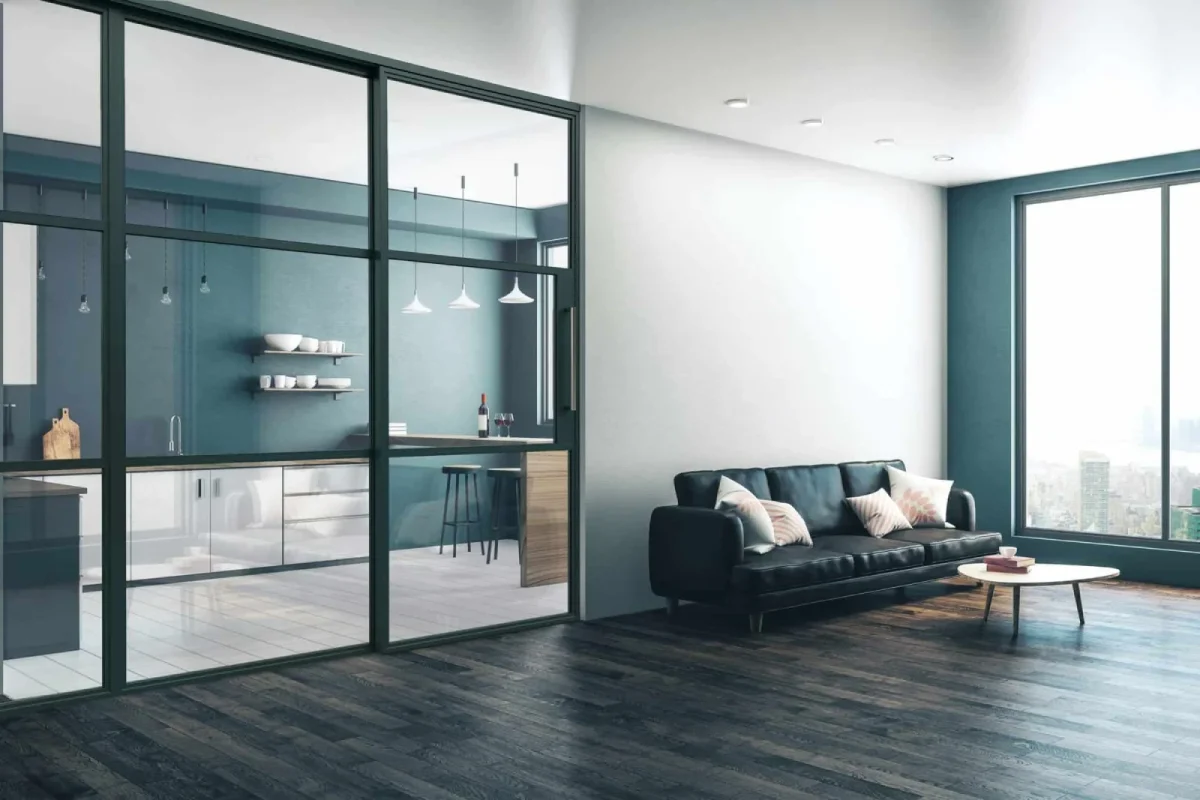
Providing that a wall is not load-bearing, the reason for it being there is a result of someone’s stylistic choice. As the current owner of the space, you may decide that the physical layout of your home is not suitable. Modern screening systems can offer the best of both worlds while often not incurring the same kind of cost as walling.

Room-by-room Analysis

Once the layout is clear in your mind, you can begin to work through the house, room-by-room, making a list of the things you would like to change or repair. Bedrooms and living spaces will obviously have a different set of parameters to kitchens and bathrooms – and making specific lists for each is important. A professional decorator can help bring your ideas to a workable plan.

The 10-Point Plan

Now that you have gone through your property and highlighted the things you would like to change, it’s time to implement those changes. Whether it’s a full home renovation or just a small adjustment, this 10-point plan will get the ball rolling:

Set a budget

Create the design

Hire the best contractors

Check planning laws

Set a timetable
Conduct surveys

Talk with your neighbours about your plans

Check your insurance

Clear the area

Begin the work

Check for snags, and you’re done…

Once the work is completed, be vigilant. Renovations to a home can take a while to settle and recover. These imperfections are known as snagging and a regular survey of the work is recommended to ensure that the improvements you’ve made are ones that will last

Are you looking at developing your property in the near future? If so, get in touch with our specialists who can help you design your dream renovation.

Sorry, there are no posts to display

From sash windows to aluminium bifold doors, our high-quality products are engineered and manufactured right here in Britain. We work with fellow UK-operated companies, Spectus Window Systems, Smart Systems, and Jack Aluminium Systems, to deliver only the very best to our trade, commercial and residential customers.

  • How much do French doors cost to install in the UK?

    The cost of installing French doors in the UK varies depending on the size, material, and design. At Mercury Glazing, we offer competitive pricing tailored to your specific needs. Please contact us for a personalised quote.

  • How to fit door handles?

    Fitting door handles can be a straightforward process. First, measure and mark the position on the door, drill the necessary holes, then attach the handle with screws. For detailed instructions or professional fitting services, feel free to reach out to us.

  • How to replace patio doors?

    Replacing patio doors involves removing the old doors, preparing the opening, and installing the new doors. It's a task best handled by professionals to ensure a perfect fit and functionality.

  • How much do patio doors cost?

    The cost of patio doors varies based on size, material, and design. Contact us at Mercury Glazing for a bespoke quote that matches your specific requirements.

  • How much are French doors?

    The price of French doors depends on the material, size, and design details. We offer a range of options to suit various budgets. Please get in touch for a tailored quote.

OUR ACCREDITATIONS

Why Choose Aluminium Doors Over
Other Materials for Enhanced Security

Why secure aluminium doors are becoming the go-to choice for homeowners

When it comes to designing our homes, nothing is more important than security. Any improvement made to our lived spaces should therefore include a breakdown of its effect on the building’s safety. The obvious potential weak spots for any house will be its windows and doors – and a home’s impression of safety and strength is just as much about the way it looks as it is how it performs. Not only is aluminium known for its strength – which is a deterrent to would-be opportunists in-and-of-itself – but it also gives off this idea that the property is modern and up-to-date with regards to its security. If an upgrade to your doors is on the agenda – and security is the all-defining feature you are looking for – aluminium really is the material of choice. Here’s why…

Material Profile: Strong in Nature

One of the most important factors of a material’s security is its inherent strength. In this regard, aluminium is a much better material than wood and PVC-U – a truth which is amplified once the addition of alloying elements is considered.

The only commonly-used material for doors that can compete with aluminium’s strength is steel. Steel is actually stronger than aluminium – but once aluminium has been properly treated and processed, the difference isn’t as much as you might think.

In fact, the tensile strength of a mild steel composition is about 420 MPa (MegaPascal) as compared to aluminium’s 90 MPa. Some heat-treatable aluminium alloys, however, have a tensile strength of over 690 MPa, making them a competitive alternative to steel – and cheaper too.

Lightweight

Any drop off in strength when compared to steel is more than made up for in aluminium’s lesser weight. Doors made of aluminium are far lighter than wood and PVC-U ones too, so you can enjoy all the benefits of metal’s strength without it becoming heavy and cumbersome.

If these first two points are considered alongside one another, a further truth materialises. Aluminium has a much higher strength-to-weight ratio than either wood or steel, which means that doors made of it can withstand far more stress than their steel or wooden counterparts.

Durability

Not only will an aluminium door be strong and secure when you install it, it will continue to be so for years to come. It doesn’t rust or corrode easily and can withstand extreme temperatures without a compromise to its structural integrity, making it easily one of the most durable materials in mainstream use in the construction industry. Doors made of aluminium won’t fall prey to insect attacks or mildew and are fully equipped to deal with even the worst of the British weather. The majority of them come with long warranties for a good reason: they’re built to last.

Maintenance

Opportunists often look for weak spots in a property’s defences in order to gain entry. When wear and tear is visible from the outside, even if the material itself is still sound, it may encourage a closer look or give off the impression of lax security. Since aluminium doors don’t require regular work done to them to maintain their performance and clean, new look – and they aren’t prone to weathering or rust – an occasional wipe down with a cloth is all that’s needed to keep your doorway looking formidable.

Cost

Compared to many materials, aluminium is good value for money, although this may not be immediately apparent in the upfront cost of the product. This cost-effectiveness is true in a few different ways. Given that aluminium is so light, the total weight of the materials needed to fit a door already offsets some of its higher cost. Added to this is the fact that due to its versatility as a material, aluminium doors can be customised to fit the desired specifications, leading to far less wasting of materials. As previously mentioned, it is also an extremely durable material, making it far more of a single-instance investment than wooden or steel alternatives. Depending on the door you are replacing, there is a very real chance that an aluminium upgrade will also increase your home’s thermal insulation performance, lessening your bills.

Secure by Association

Even if there are less visible points of vulnerability in your property, having a strong and secure-looking doorway will automatically make your home feel safer – to its inhabitants as well as any nefarious onlookers. The inverse of this point is that if your doorway looks unsound – even if it is completely secure – the fact that it looks like a point of weakness may encourage would-be intruders to take a closer look. So, an aluminium door not only speaks of a strength in its own right, but also lends the property it is attached to an air of security too.

Secure by Design

One of the aesthetic selling-points of aluminium doors are their sleek, clean and minimalist designs. This also happens to be a huge advantage when it comes to their security, as any design-specific weak-point will be unnoticeable from the outside.

The Verdict

Protecting your home starts at the front door, but, as we’ve seen, this question of security isn’t as simple as it might first appear. A material’s inherent strength is important, but so is its fire and weather resistance; a door might be strong and have state-of-the-art locking mechanisms, but does it look formidable – and will it continue to do so in the years to come?

Aluminium may not be the strongest material out there, or the cheapest, but when all of the separate elements are brought together and considered – and safety is the all-encompassing priority of your doorway plans – it would easily come out as our material of choice.

Click hereto contact us about our range of smart doors.

Sorry, there are no posts to display

From sash windows to aluminium bifold doors, our high-quality products are engineered and manufactured right here in Britain. We work with fellow UK-operated companies, Spectus Window Systems, Smart Systems, and Jack Aluminium Systems, to deliver only the very best to our trade, commercial and residential customers.

  • How much do French doors cost to install in the UK?

    The cost of installing French doors in the UK varies depending on the size, material, and design. At Mercury Glazing, we offer competitive pricing tailored to your specific needs. Please contact us for a personalised quote.

  • How to fit door handles?

    Fitting door handles can be a straightforward process. First, measure and mark the position on the door, drill the necessary holes, then attach the handle with screws. For detailed instructions or professional fitting services, feel free to reach out to us.

  • How to replace patio doors?

    Replacing patio doors involves removing the old doors, preparing the opening, and installing the new doors. It's a task best handled by professionals to ensure a perfect fit and functionality.

  • How much do patio doors cost?

    The cost of patio doors varies based on size, material, and design. Contact us at Mercury Glazing for a bespoke quote that matches your specific requirements.

  • How much are French doors?

    The price of French doors depends on the material, size, and design details. We offer a range of options to suit various budgets. Please get in touch for a tailored quote.

OUR ACCREDITATIONS

Vertical Sliding Windows: The
Perfect Blend of Style and Functionality

Why choose vertical sliding windows for your property?

Often, when we think about the options available to us in designing our homes, it can feel as though we are forced to choose between one aspect of a product’s design and another: style over function; energy efficiency over security or aesthetics. There are times when this compromise is acceptable, but when we choose the types of windows we put in, it’s important that we are as happy with the way they look as we are with the way they perform. Vertical sliding windows offer exactly this combination of elegant, sophisticated aesthetics and modern materials and performance. If you were thinking of adding a touch of heritage design to your modern home – or even looking to bring your older one closer to contemporary standards without affecting its visual appeal – then they should at least be a part of the conversation. Here, we’ll take a quick look at the history of the vertical sliding window and how – through that combination of functionality and style – they have come to be one of the most popular windows for renovations and new-builds alike.

The Story

The origin of the vertical sliding window’s progenitor – the sash window – is one shrouded in mystery. Nobody knows for sure who invented it, or when, or where. Some believe that they were first used in France or Belgium in the 17th century; while others see them as a Dutch invention.

Irrespective of this ambiguity, it wasn’t long before they made their way over to the UK, where they quickly became popular. According to some experts, the oldest surviving examples of sash windows anywhere are actually ones which were installed in England in the 1670s, such as Ham House in Richmond upon Thames.

So, suffice to say, they have been around for a while, but far from being simply a relic of the past, the adaptability of the design template has meant that the vertical sliding windows of today are every bit as contemporary in their functionality as they are timeless in their visual appeal – a real best of both worlds.

The Style

One of the key factors for the continued popularity of vertical sliding windows is their stylistic flexibility. While it is true that they are synonymous with the Georgian and Victorian periods – and certainly enjoy the sophisticated elegance associated with the grand buildings of those times – they are just as suitable in the sleek, clean profiles of more modern design aesthetics.
Vertical sliding windows come in a variety of materials, shapes, sizes and colours, making them a perennially sensible option to an ever-increasing number of people. So convincing is the replication of wood grain in some PVC-U windows, for example, that they can sometimes be accepted in renovation plans of buildings with preservation orders on them.

At Mercury, we embrace this flexibility – and decades of experience allow us to know how to turn this adaptable potential into fully realised plans. Whatever your plans are, as always, if you have any questions, don’t hesitate to ask one of our dedicated team of professionals.

The Function

Like most things, the prettiest and most stylish window in the world would be useless if it didn’t serve its function. Luckily, with vertical sliding windows, no such compromise exists, so that those who fit them into their homes can be sure to have a beautiful piece of architecture without having to lose their peace of mind. Here’s a quick rundown of just a few of the functional benefits of the vertical sliders of today:

  • Security – A recurring concern of older sash window designs is their relative lack of security. Every aspect of more modern equivalents has been improved – from the frames to the panes and their locking mechanisms – making them as safe as any window. Newer features, such as child safety restrictors, are also often available, for that extra layer of cotton wool.
  • Maintenance – The longevity of modern components and materials means not only are vertical sliding windows relatively hassle-free to maintain, they will also look great and perform perfectly for a long time to come. Elegant, seamless finishes offer the twin bonus of looking smart and reducing the spots where dirt can build up. The occasional wipe-down with hot soapy water and a clean cloth is all that is needed to keep them looking brand new for years to come.
  • Energy efficiency – While there is a slight variation between aluminium’s thermal efficiency compared to PVC-U’s, advances in technology and ever-evolving guidelines and targets have ensured that either material now provides an impressive thermal insulation performance, especially when compared to the qualities of traditional wooden equivalents. Our knowledgeable and experienced team are on hand to answer any questions you may have about these material-related performance differences.
  • Acoustic insulation – Windows have come a long way. Improvements in the frames, seals, casements and panes have made it so that even in the noisiest of settings, your home can still be that place of peace and tranquillity. Equally, if your household is the type to enjoy the occasional bit of louder music or you have children, it’s nice to know that any noise you make won’t be upsetting the neighbours.
  • Natural light – Vertical sliding windows are a great way of making the most of the available space for a window. This, in turn, ensures that your property is able to maximise the amount of natural light it is exposed to, which is great for promoting feelings of well-being and calm – and that’s before you get to the reduction in your electricity and heating bills.

Tradition and Innovation

There is a tendency to see tradition as the enemy of progress. The building industry has long been at the forefront of these seemingly contradictory impulses, providing sustainable and high-functioning answers to our modern concerns in keeping with our stylistic and aesthetic traditions. So, when it comes to choosing between style and function in the windows of your home: why not choose both?

Sorry, there are no posts to display

From sash windows to aluminium bifold doors, our high-quality products are engineered and manufactured right here in Britain. We work with fellow UK-operated companies, Spectus Window Systems, Smart Systems, and Jack Aluminium Systems, to deliver only the very best to our trade, commercial and residential customers.

  • How much do French doors cost to install in the UK?

    The cost of installing French doors in the UK varies depending on the size, material, and design. At Mercury Glazing, we offer competitive pricing tailored to your specific needs. Please contact us for a personalised quote.

  • How to fit door handles?

    Fitting door handles can be a straightforward process. First, measure and mark the position on the door, drill the necessary holes, then attach the handle with screws. For detailed instructions or professional fitting services, feel free to reach out to us.

  • How to replace patio doors?

    Replacing patio doors involves removing the old doors, preparing the opening, and installing the new doors. It's a task best handled by professionals to ensure a perfect fit and functionality.

  • How much do patio doors cost?

    The cost of patio doors varies based on size, material, and design. Contact us at Mercury Glazing for a bespoke quote that matches your specific requirements.

  • How much are French doors?

    The price of French doors depends on the material, size, and design details. We offer a range of options to suit various budgets. Please get in touch for a tailored quote.

OUR ACCREDITATIONS

Mercury reports upturn in aluminium
vertical slider sales

Mercury Glazing, one of the UK’s largest PVC-U vertical slider fabricators, has reported an upturn in sales of its aluminium vertical sliders. Martin Halford, Director at Mercury, said: “Aluminium sash windows have grown in popularity in the past 12-months as more contractors are looking for a modern twist on a classic style, coupled with superior strength and product durability. As vertical sliding manufacturing experts, our customers know they can trust us whether they’re working on a PVC-U or aluminium VS project.”

Martin said that because of his company’s sash window manufacturing expertise, it had secured several large-scale projects with contractors looking for the aesthetics of a heritage slider and the slimline advantages of aluminium. He commented: “Because we are one of a few specialist fabricators who can offer both aluminium and PVC-U vertical sliders, contractors can choose the option that best meets their project requirements.”

Mercury manufactures the versatile Smart VS 600 vertical slider system, which is suitable for both residential and commercial applications. It can be used in heritage and conservation areas and is also suitable for high-occupancy buildings. The window offers a flush opening with no projection into or out of the building, making it ideal for schools and hospitals. The system features a low-line glazing gasket that will accept 28mm sealed units for next-level aesthetics.

The system is manufactured by Mercury’s skilled team in its dedicated aluminium production facility at its headquarters in Gloucester. The expert team ensures every sash window is precision manufactured, resulting in premium products that combine functionality, durability, and high-end aesthetics.

Alongside its aluminium vertical slider system, the company also manufactures a full range of aluminium products including casement windows, bi-folding doors, sliding doors, shopfronts, curtain walling and internal screening systems. It means the company can be a one-stop shop for aluminium expertise.

The growth in demand for aluminium sash windows has necessitated the expansion of Mercury’s production output. By continuously investing in cutting-edge machine technology and a skilled workforce, the company ensures they deliver consistent high-quality products to meet the needs of a rapidly evolving market.

Martin concluded: “We work hard to make sure we offer the products our customers need with a premier service to match. From consultation to installation, we’re with our customers every step of the way. It’s why our customers know they can trust us as a professional supply partner for all projects.“

Sorry, there are no posts to display

From sash windows to aluminium bifold doors, our high-quality products are engineered and manufactured right here in Britain. We work with fellow UK-operated companies, Spectus Window Systems, Smart Systems, and Jack Aluminium Systems, to deliver only the very best to our trade, commercial and residential customers.

  • How much do French doors cost to install in the UK?

    The cost of installing French doors in the UK varies depending on the size, material, and design. At Mercury Glazing, we offer competitive pricing tailored to your specific needs. Please contact us for a personalised quote.

  • How to fit door handles?

    Fitting door handles can be a straightforward process. First, measure and mark the position on the door, drill the necessary holes, then attach the handle with screws. For detailed instructions or professional fitting services, feel free to reach out to us.

  • How to replace patio doors?

    Replacing patio doors involves removing the old doors, preparing the opening, and installing the new doors. It's a task best handled by professionals to ensure a perfect fit and functionality.

  • How much do patio doors cost?

    The cost of patio doors varies based on size, material, and design. Contact us at Mercury Glazing for a bespoke quote that matches your specific requirements.

  • How much are French doors?

    The price of French doors depends on the material, size, and design details. We offer a range of options to suit various budgets. Please get in touch for a tailored quote.

OUR ACCREDITATIONS

How much are inefficient windows
costing your business this year?

If you’re wondering whether it’s worth replacing commercial windows, read on, because if your current windows are inefficient they could be costing your business more than you think.

Inefficient windows contribute to increased energy costs

This is the obvious one – but when energy costs are sky-high, you can’t afford to ignore the issue. If you have single glazing, your windows will definitely be inefficient, leading to increased energy costs. But even older double glazing isn’t as efficient as modern double glazing solutions. Inefficient windows mean your building will be colder in winter and hotter in summer – and you’ll need to use more energy to keep spaces warm or cool enough to work in. If your windows have developed cracks or leaks in the seals, the problems will be even worse. Replacing commercial windows with modern, thermally efficient windows has the potential to make a big difference to your energy bills. It will also reduce your carbon footprint, vital if you’re looking at sustainability in your business.

Inefficient windows affect your employees’ productivity

Inefficient windows are likely to be affecting your employees’ productivity. If your building is too cold in winter or too hot in summer, it makes it harder for employees to work efficiently, leading to reduced output and, ultimately, lower profit levels. Consider glare too. If your windows aren’t tinted or shaded where they need to be, it could make computer screens harder to read, which will affect your employees’ ability to work. Then there are the noise levels. Inefficient windows don’t block sound as well as modern, thermally efficient windows. If your premises are in busy or noisy surroundings, inefficient windows could be making it difficult for employees to concentrate. Replacing commercial windows has the potential to increase productivity and grow your business.

Inefficient windows equal higher maintenance costs

If your commercial building has older windows, it’s likely to be costing you in increased maintenance.

You may need to repair leaks or cracks in the seals. If opening mechanisms are faulty, they might need to be fixed to allow employees to open and close windows. Draughty windows will be letting in more dust and dirt from the outside, which will lead to increased cleaning costs. Not only will there be maintenance costs, there will also be disruption to the working day when maintenance teams are on site.

Replacing commercial windows solves all these problems. New commercial windows will be low maintenance and give years of trouble-free use, helping to lower the cost of running your business.

Inefficient windows can increase health and safety risks

Inefficient windows could be affecting your employees’ health and safety.

Poorly insulated or damaged windows increase the risk of mould and mildew build-up. This can cause respiratory problems if it isn’t treated. In busy urban and industrial areas there is also an increased risk of pollutants and other harmful particles that employees could be breathing in all day long.

Also consider the fact that inefficient windows are likely to be insecure windows, making it easier for intruders to enter.

Replacing commercial windows will give you a much more secure working environment, not to mention a healthier one.

Replacing commercial windows with Mercury Glazing

Here at Mercury Glazing we’re experts in replacing commercial glazing. We manufacture commercial windows of all shapes and sizes, all designed to improve your property’s aesthetic, carbon footprint and security.

Our windows are installed by reputable window contractors up and down the country – they all choose to work with us because they know we provide exceptional windows and an exceptional service.

So when you’re thinking about replacing commercial windows, Mercury Glazing is the place to start. Get in touch today for a quote.

Sorry, there are no posts to display

From sash windows to aluminium bifold doors, our high-quality products are engineered and manufactured right here in Britain. We work with fellow UK-operated companies, Spectus Window Systems, Smart Systems, and Jack Aluminium Systems, to deliver only the very best to our trade, commercial and residential customers.

  • How much do French doors cost to install in the UK?

    The cost of installing French doors in the UK varies depending on the size, material, and design. At Mercury Glazing, we offer competitive pricing tailored to your specific needs. Please contact us for a personalised quote.

  • How to fit door handles?

    Fitting door handles can be a straightforward process. First, measure and mark the position on the door, drill the necessary holes, then attach the handle with screws. For detailed instructions or professional fitting services, feel free to reach out to us.

  • How to replace patio doors?

    Replacing patio doors involves removing the old doors, preparing the opening, and installing the new doors. It's a task best handled by professionals to ensure a perfect fit and functionality.

  • How much do patio doors cost?

    The cost of patio doors varies based on size, material, and design. Contact us at Mercury Glazing for a bespoke quote that matches your specific requirements.

  • How much are French doors?

    The price of French doors depends on the material, size, and design details. We offer a range of options to suit various budgets. Please get in touch for a tailored quote.

OUR ACCREDITATIONS

How Commercial Glazing Innovations
Have Led Building Design Trends

When we think of any period in our history, more often than not the thought will be accompanied by a visual cue. Frequently, this cue will be a piece of architectural design. It’s no coincidence that the original 7 Wonders of the World are all man-made objects, for example – and from the Empire State Building to the World Trade Centre, it would appear that buildings will continue to inhabit this space in our collective thoughts for a long time to come. Design trends are no different to any other form of fashion. In order for anything to be replicated, it first needs to be seen. Commercial and public buildings are seen by far more people than the average home, so their potential for influence is naturally greater. Looking at contemporary design features of commercial developments is therefore a great way to get an insight into the likely future fashions of residential buildings. As previously mentioned, one of the most iconic buildings of our post-industrial age is the Empire State Building. For almost 40 years it stood taller than any other man-made structure on the planet. It was also the first time a certain material had been used extensively throughout the construction of a building – from the actual structure itself to various aspects of its interiors. That material is Aluminium. Fast-forward almost a century and the bond is stronger than ever. Thanks to its structural and aesthetic qualities, this would no doubt have been true anyway, but the modern preoccupation of a more sustainable existence has ensured that it will remain the material of choice for many of our architectural needs. In extremely simplistic terms, the two motivators behind a change in fashion are aesthetics and function. It is fairly obvious that when designing a commercial property, the aim is to make a space that is both visually appealing and economically efficient – and the glazing of a property is arguably the part where these two aspects are at their most relevant. Here, we’ll take a look at the history of glazing in the commercial building sector as well as more modern trends – and in the process learn why more and more people are looking to the commercial sector for their residential glazing solutions.

Glazing Trends in Modern Times: A Brief History

Similar to most major advancements, the evolution of glazing is one born of necessity. It wasn’t until the 1930s in the US that double glazing became widely available, but the concept of secondary glazing actually originated in Scotland in the 1800s. The big leap that Charles D Haven made with his invention – known at the time as a Thermopane – was to have the two layers of glass separated by an air gap and sealed with strips of rubber. So effective were they that within a decade of the patent for the design they had become one of the most highly sought-after features of commercial and residential properties alike. Although used in certain vehicles at the turn of the century, the aluminium frame came along into the building industry shortly after this with Buckminster Fuller’s development of geodesic domes in the late 1940s and early 1950s. These structures were innovative in many ways, but their most lasting legacy would arguably be the design of their external shells. Fuller wanted to make the most of the light in his designs, which left glass as the only viable option. In his efforts to incorporate this ideal into his blueprints while maintaining the structure’s integrity, he discovered that a metallic truss frame would provide the stability he would need – and thus the aluminium window frame was born. The influence of this concept in the modern building industry is two-fold. First is the basic idea of using aluminium in the framing of windows. Just as importantly, Fuller’s domes were the first widely recognised structures to make use of glass as the primary external material, as opposed to the standards of brick and mortar or adobe or wood. Both of these ideas have evolved and diversified over the years, but their roots can be found in the designs of Bucky Fuller.

Corporate Management: A Model of Efficiency

The building industry is one of continuous innovation. Nowhere can this progression be seen more than in the doorways and windows of our buildings. They are on the front line in our efforts to both reduce the ecological cost of our homes on the environment and mitigate the effects of climate change felt in them. In this regard, aluminium is the material that keeps on giving. From its widespread introduction into the building industry in the 1940s, it has been valued for its flexibility, strength, durability and aesthetics. These days, with ecology so dominant in our thinking, we expect more than we ever have from the materials we use – and, as luck would have it, aluminium has more than stood up to these developing pressures. Aluminium framed windows have become almost ubiquitous in contemporary commercial premises. In 2014, the metal was used in the frames of over 80% of commercial buildings – and has shown no signs of slowing down.

Face Value: Transparency and Openness in Commercial Premises

Modern times have made commercial entities more present than ever – meaning they have come under closer scrutiny as a result. Consequently, there has been a shift in the way corporations wish to be perceived. This shift can be seen in their advertising and branding, but it’s also visible in the designs of their buildings.

Look at just about any contemporary business’ offices or headquarters and you’ll likely see a variation on a theme: a glass-fronted building with aluminium framing. Be they government buildings or public venues or the general headquarters of a major business, the aesthetic seems to be gaining popularity everywhere – and residential properties appear to be following their lead. They are the perfect manifestation of the times we are living through, with regards to openness and transparency as well as strength and sustainability.

A Look to the Future: Contemporary Commercial Glazing Trends

So, what are the residential glazing trends of tomorrow? To get an idea, here are a few examples of the commercial sector’s big-hitters of 2022 and those predicted for the coming year:

Solar Control

As climate change makes warmer weather more likely and the popularity of a higher ratio of glazing in our buildings grows, the application of solar control coatings has seen a recent surge.

Structural glass

Glass is now commonly used as a key structural material, from curtain walls of a building’s external facade to internal screening and sliding door systems. Popularised in the commercial and public sectors, their use in residential projects is quickly following suit.

Coloured frames

One of the many positives of using aluminium in frames for glazing is the fact that you can choose their colour. The classic aluminium finish definitely has its strengths, but more and more people are opting for that little touch of personalisation in their glazing plans. A perfect example is Mercury’s range of Alitherm Heritage Windows which are available in a wide range of RAL colours allowing them to be personalised for a range of property types including listed buildings.

Follow the Leaders…

With their bigger budgets and tighter regulations, it makes sense that the commercial sector would lead the way in their utilisation of the best new products. Take a look at any of the new commercial projects around and you may just pick up an idea or two…

Sorry, there are no posts to display

From sash windows to aluminium bifold doors, our high-quality products are engineered and manufactured right here in Britain. We work with fellow UK-operated companies, Spectus Window Systems, Smart Systems, and Jack Aluminium Systems, to deliver only the very best to our trade, commercial and residential customers.

  • How much do French doors cost to install in the UK?

    The cost of installing French doors in the UK varies depending on the size, material, and design. At Mercury Glazing, we offer competitive pricing tailored to your specific needs. Please contact us for a personalised quote.

  • How to fit door handles?

    Fitting door handles can be a straightforward process. First, measure and mark the position on the door, drill the necessary holes, then attach the handle with screws. For detailed instructions or professional fitting services, feel free to reach out to us.

  • How to replace patio doors?

    Replacing patio doors involves removing the old doors, preparing the opening, and installing the new doors. It's a task best handled by professionals to ensure a perfect fit and functionality.

  • How much do patio doors cost?

    The cost of patio doors varies based on size, material, and design. Contact us at Mercury Glazing for a bespoke quote that matches your specific requirements.

  • How much are French doors?

    The price of French doors depends on the material, size, and design details. We offer a range of options to suit various budgets. Please get in touch for a tailored quote.

OUR ACCREDITATIONS

What is PAS 24 and why does it matter?

PAS 24

PAS 24 is a standard of testing that measures the security performance of windows and doors in the UK. Under PAS 24 compliance, the windows and doorsets have met the minimum legal requirements for security and are suitable for domestic dwellings and commercial buildings exposed to comparable risk. Every window and door installed in a new build property must meet the requirements of PAS 24 (or an equivalent standard). If you want to take the security on your project to the next level, look out for products that meet the requirements of SBD (Secured by Design). SBD is a police initiative that works to improve the security of buildings. In this article, we’ll look at both standards and explain what they mean for you and your project.

What are PAS 24 doors and PAS 24 windows?

PAS stands for Publicly Available Specification. It’s a product benchmark that helps you choose products that meet an industry standard. PAS 24 relates to the security of windows and doors. PAS 24 windows or PAS 24 doors have been independently tested for their security credentials. The tests assess the ability of the door or window to resist the type of attack normally associated with casual or opportunistic burglars. The tests are a simple pass or fail. Windows and doors are either meet the requirements of PAS 24 or they don’t. PAS 24 standards are regularly updated as the industry advances and quality increases. The latest standard (as at March 2023) is PAS 24: 2022. Before that, it was PAS 24: 2016. When specifying PAS 24 windows or PAS 24 doors, make sure your contractor uses products that meet the most up-to-date specifications – PAS 24: 2022.

How do you check windows and doors have a PAS 24 certificate?

To achieve a PAS 24 certificate, windows and doorsets (i.e. the door, its frame and its hardware) must be independently tested by certified accreditation organisations such as UKAS (the United Kingdom Accreditation Service). This ensures all products are tested to the same industry standards so you can have confidence in the result. In most cases, windows and doors need to meet PAS 24 requirements. You will therefore often find that fabricators and installers will promote PAS 24 certification in their sales and marketing materials. Your window and door manufacturer will be able to provide you with copies of PAS 24 certificates for your chosen products if required.

What is the SBD (Secured by Design) police initiative?

Secured by Design (SBD) is the official police security initiative that works to improve the security of buildings and their immediate surroundings to provide safe places to live, work, shop and visit.

The Secured by Design logo and the ‘Police Preferred Specification’ indicates that a company or a product meets the high standards set by Secured by Design.

PAS 24 accreditation is typically a baseline requirement for achieving SBD standards. However, the testing requirements of SBD go beyond the standards and requirements of PAS 24. Products are tested and re-tested over time. Inspections of the manufacturer’s production facility are also required to ensure the correct processes are maintained over time.

As such, SBD and Police Preferred Specification status provide an additional layer of reassurance when the security on your project is a priority.

Mercury Glazing is a Secured by Design member company. This means we have been tested to and passed security standards specified by SBD on our PVC-U Sash Windows.

Security standards with Mercury Glazing

When you choose Mercury Glazing as your window and door supplier, you can rest assured you’re choosing a company committed to supplying products that meet the highest standards of security. All of our PVC-U sash windows meet the requirements of PAS 24. Plus, as a Secured by Design member company, we can add an additional layer of security by offering a Secured by Design upgrade on our PVC-U sash windows too. It’s just another example of the Mercury difference. Click here to get in touch.

When you choose Mercury Glazing as your window and door supplier, you can rest assured you’re choosing a company committed to supplying products that meet the highest standards of security. All of our PVC-U sash windows meet the requirements of PAS 24. Plus, as a Secured by Design member company, we can add an additional layer of security by offering a Secured by Design upgrade on our PVC-U sash windows too. It’s just another example of the Mercury difference. Click here to get in touch.

To conduct the weather resistance test, the door undergoes a comprehensive process. First, it is subjected to varying levels of air pressure in a pressure chamber. This simulates the force of wind pressing against the door. By doing so, the door’s ability to withstand typical wind pressures can be assessed. Following the air pressure test, the exterior face of the door is then subjected to a jet of water. This process is aimed at evaluating the door’s water tightness. Any leakages that occur during this step are carefully checked to determine the effectiveness of the door in keeping water out. Through these procedures, the weather resistance test ensures that the door is capable of withstanding different weather conditions, including wind pressure and water exposure. This comprehensive assessment guarantees that the door will provide effective protection against harsh weather elements in real-world applications.
The weather resistance test for doors serves the purpose of ensuring the door’s ability to withstand different weather conditions. This test involves subjecting the door to varying levels of air pressure, simulating the force of wind pressing against it. By doing so, the test evaluates the door’s ability to resist wind pressure and maintain its structural integrity. Additionally, the test also involves spraying a jet of water onto the exterior face of the door to check for any leakages, ensuring that it is water-tight. In summary, the weather resistance test aims to determine the door’s ability to withstand wind and water, thereby guaranteeing its durability and efficiency in various weather conditions.
During the 15-minute manual intervention test conducted by the engineer to simulate a break-in, the British Standards Institution (BSI) provides a set of tools specifically for this purpose. The engineer is allowed to use these tools in their attempt to break into the door. One of the tools provided is a cut through tool, which is utilised to determine whether the blade can create a hole of significant size in the door. The engineer will be testing two distinct zones of the door: zone one, spanning within 400mm vertically on either side of the lock, and zone two, encompassing the remaining portion of the door. It is crucial to note that each test within this manual intervention lasts for a duration of three minutes. The door is considered to have failed if the blade of the cut through tool creates a hole with a diameter exceeding 50mm during this time.
The engineer is allotted a timeframe of 15 minutes to conduct a comprehensive manual examination of both the door’s strength and the security provided by the lock cylinder.

During the manual test to simulate a break-in, the engineer employs various methods to assess the strength and security of the door and lock cylinder. The engineer begins by using common lock breaking techniques such as mole gripping, aimed at testing the durability of the lock. Additionally, the engineer conducts a manual intervention test, which allows them 15 minutes to attempt breaking into the door using tools provided by the BSI (British Standards Institution).

To evaluate the door’s resistance to unauthorised access, a cut-through tool is employed. This tool is specifically designed to examine if the blade can create a hole of significant size on the door. The test is conducted in two designated zones: Zone One refers to any part of the door within 400mm vertically on either side of the lock, while Zone Two encompasses all other areas of the door.

Each test is conducted for a duration of three minutes, and the door is deemed to have failed if the blade manages to create a hole with a diameter exceeding 50mm. By performing these comprehensive tests, the engineer can thoroughly assess the door’s vulnerability to various manual intrusion methods.

The purpose of the manual test for doors is to assess the strength and security of the door and lock cylinder. A qualified engineer is given a set time of 15 minutes to conduct a series of tests that simulate common lock breaking methods used by potential intruders. The engineer is provided with tools specified by the BSI to attempt to gain unauthorised access to the door. This manual intervention test aims to evaluate the door’s resistance against forced entry.

The hard impact test is conducted to evaluate the resistance of the doors’ individual components to shock forces. This test involves the use of a metal battering ram attached to a pendulum. The ram, weighing 50kg, is pulled back and released three times. It is designed to mimic the door being struck with a concentrated force.

During the test, the pendulum is pulled back, applying potential energy to the ram. The ram is then released and swings downward towards the door. It strikes the door with a force that is intended to simulate a strong impact. To ensure consistency, the ram is dropped from a set height of 800mm above its resting position.

By subjecting the door to repeated impacts from the ram, this test aims to assess the durability of the door’s components. It helps to determine whether the door can withstand concentrated forces and continue to function as intended without any structural or functional damage. Through this rigorous testing process, the effectiveness of the door in withstanding impacts is thoroughly evaluated.

The purpose of conducting a hard impact test for doors is to assess the ability of the door’s individual components to withstand and absorb shock forces.
The solid impact test is conducted to assess the resistance of the door to shock forces. This test involves a sand-filled leather bag weighing 30kg that is dropped in a pendulum motion three times. The purpose of using a sand bag is to simulate the impact of a uniformed force across a wide area of the door, replicating a scenario where the door is struck. The bag is dropped from a height of 800mm above its resting position, simulating a significant impact force. This test is designed to evaluate the door’s ability to withstand shocks and determine its general shock resistance.
The solid impact test for doors serves the purpose of evaluating the door’s ability to withstand shock forces. This is achieved by replicating the impact of a sand-filled leather bag in a pendulum motion. The bag, weighing 30kg, is dropped from a height of 800mm, simulating a uniform force that strikes a wide area of the door. By subjecting the door to this test, its overall shock resistance can be assessed and determined.
During the mechanical loading test, a perpendicular force of 450kg is exerted on each piece of hardware. The edges of the door are pulled in opposite directions using a series of hooks while simultaneously pushing the opening sash with a hydraulic press. To ensure there are no weak spots, this action is repeated on multiple points of the door. The force is applied gradually over a period of 20-30 seconds without any sudden impact. Additionally, after this initial test, an additional 100kg force is applied using the hydraulic press to further push against the already tested frame. This comprehensive process ensures that the force is applied thoroughly and consistently during the mechanical loading test.
During the mechanical loading test, a perpendicular force of 450kg is applied to each piece of hardware. The test involves pulling the edges of the door in opposite directions using hooks, as well as exerting pressure on the opening sash using a hydraulic press. Multiple points on the door are subjected to this action to ensure that there are no weak or vulnerable areas.
The purpose of the mechanical loading test for doors is to thoroughly assess the door’s strength and security. This test involves applying forces to various points on the door, including the profile pieces, locking mechanism, and other security features. By subjecting these components to a force of 450kg perpendicular to each hardware piece and pulling the edges in opposite directions with hooks, the test aims to determine whether the door can withstand prying attempts. Additionally, a hydraulic press pushes on the opening sash, further examining its resilience. Furthermore, a force of 100kg is applied to the already tested frame to assess its ability to withstand additional pressure. Through this comprehensive evaluation, the mechanical loading test helps identify any potential vulnerable areas that could compromise the door’s strength and security.
Approved Document Q is a set of guidelines that came into effect in October 2015 in England. It complements the existing Q1 of Schedule 1 to the Building Regulations 2010. The purpose of Approved Document Q is to ensure the security of dwellings by requiring new build properties to be capable of resisting unauthorized access to both the dwelling itself and any part of the building that could provide access to a flat within it. In order to meet the requirements of Building Regulations, doors and windows must comply with PAS 24:2022 standards or similar standards that guarantee their security.
Yes, PAS 24 or an equivalent standard is a legal requirement in order to meet Building Regulations for new build properties.
In most cases, PAS 24 accreditation is typically a baseline requirement for achieving SBD standards. However, the testing requirements of SBD go beyond the standards and requirements of PAS 24. Products are tested and re-tested over time. Inspections of the manufacturer’s production facility are also required to ensure the correct processes are maintained over time. To provide a more thorough understanding, it is important to note that Secured by Design (SBD) is an initiative that organises accreditation for products on behalf of the Police. While PAS 24 and Secured by Design are independent of each other, SBD products must meet PAS 24 standards as a minimum requirement, in addition to fulfilling other SBD specifications. This indicates that while PAS 24 accreditation is crucial, it is not synonymous with Secured by Design. Therefore, SBD and Police Preferred Specification status provide an additional layer of reassurance when prioritising security for your project. SBD not only requires adherence to PAS 24 standards but also imposes further testing and inspection processes to ensure ongoing compliance and the maintenance of correct manufacturing procedures. This comprehensive approach enhances the level of security provided by SBD-accredited products, making them a reliable choice for crime prevention

Sorry, there are no posts to display

From sash windows to aluminium bifold doors, our high-quality products are engineered and manufactured right here in Britain. We work with fellow UK-operated companies, Spectus Window Systems, Smart Systems, and Jack Aluminium Systems, to deliver only the very best to our trade, commercial and residential customers.

  • How much do French doors cost to install in the UK?

    The cost of installing French doors in the UK varies depending on the size, material, and design. At Mercury Glazing, we offer competitive pricing tailored to your specific needs. Please contact us for a personalised quote.

  • How to fit door handles?

    Fitting door handles can be a straightforward process. First, measure and mark the position on the door, drill the necessary holes, then attach the handle with screws. For detailed instructions or professional fitting services, feel free to reach out to us.

  • How to replace patio doors?

    Replacing patio doors involves removing the old doors, preparing the opening, and installing the new doors. It's a task best handled by professionals to ensure a perfect fit and functionality.

  • How much do patio doors cost?

    The cost of patio doors varies based on size, material, and design. Contact us at Mercury Glazing for a bespoke quote that matches your specific requirements.

  • How much are French doors?

    The price of French doors depends on the material, size, and design details. We offer a range of options to suit various budgets. Please get in touch for a tailored quote.

OUR ACCREDITATIONS
Tips for Transforming your Living
Space with Internal Screening

Why internal screening is worth a thought

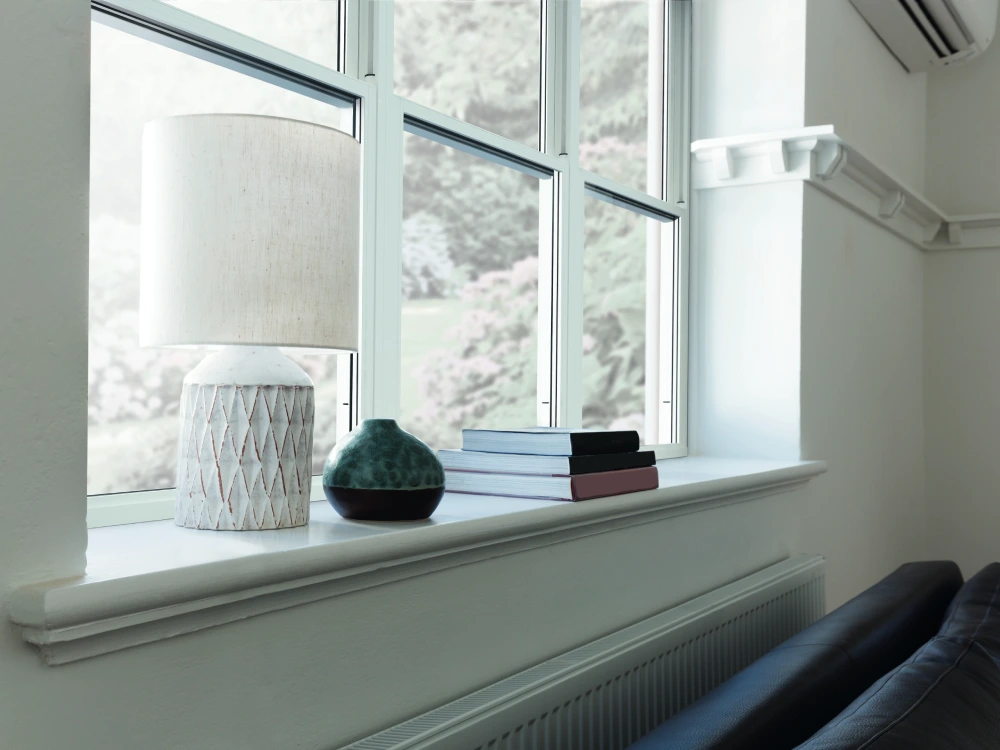
Interior architecture is about more than just how a home looks.  The ways in which we choose to divide our indoor spaces also play an important role in how those spaces feel – and even how we function within them.  Open-plan interior design schemes have long been the obvious alternative to the traditional walled methods, but more and more people are looking for a different approach, a middle-ground between the two.  Here’s where internal screening comes in. Screening systems have all the thermal and acoustic insulation credentials as conventional walls whilst offering the bonuses associated with an open-plan setup – a real best-of-both-worlds solution – and all at a cost that might surprise you.  If you had thought of joining the broken-plan revolution but weren’t sure where to start, read on for our top tips on how to get the ball rolling.

Boundaries: A Dividing Issue

Have you ever walked into a room and forgotten what you had gone in there for?  Well, you’re not alone.  This phenomenon affects us all, irrespective of age.  It has come to be known as the location updating effect, but is commonly referred to by another name: the doorway effect.

An explanation for this effect is that we have evolved a system of categorisation in our brains to distinguish between physical environments – and the functions we might be expected to perform in them.  In our homes, we build different memory associations with different rooms and our brains group these associations for us.  This means that when we walk from one part of the house to another, we also need to access different pathways in the brain.  Just like a computer, this reconfiguration can get jammed.

This is all by way of saying that our relationships with our lived-in spaces are a lot more profound than we might have previously thought.  How we compartmentalise our homes has a fundamental effect on how we live in them, so achieving the right balance could be just what your interior architecture scheme needs without you even realising it.

The Benefits: At a Glance

We cover these more extensively elsewhere, but they’re worth mentioning again here.  Indoor screening systems are as flexible as they are durable.  They can be made to fit any design and can be installed with the comfort of knowing they will last and look great for years to come – with minimal maintenance required.      

This versatility is a key point.  Given that they can be manufactured to meet the needs of the individual client, screening can be used for anything from an update or redesign of an existing structure to a new build, be it commercial or residential.  So, even if you weren’t thinking of tearing the walls down, there’s still plenty of scope for internal screening systems to feature in your interior design plans.

The Straight Swap: Screening Systems as Room Dividers

For those who prioritise the light and airy feel of an open-plan design but wish to retain thermal insulation and acoustic isolation, internal screening systems can’t be beaten.  The choice of styles and functions available gives unprecedented freedom to how a living space might be divided as well as the feel of those boundaries – with glass being the perfect material for achieving flexibility between openness and privacy.

The appeal of the open-plan style is obvious – and the trend is unlikely to fade anytime soon – but there are two factors to this interior architecture movement that are hard to ignore: energy efficiency and the lack of adaptability.  Having one big, open space is going to be heavier on the heating bills, but it also makes it difficult for different people to be doing different things at the same time, especially if there are youngsters running about. 

Internal screening systems enable designs that are equal parts sturdy and flexible.  At Mercury, our range of screens and doors offer robust solutions to any design aesthetic.  Whether you were thinking of fixed screens or one of a variety of door styles available – or a combination of all of the above – these systems can be made to your exact specifications, without the need for compromising on stylistic consistency.

Subdivision: Using Screening to Partition a Room

Having clearly defined spaces can have some interesting by-products – as evidenced by the doorway effect – but our need to distinguish between the functions of particular places also has its obvious advantages.  Our mode of behaviour before sleep will quite naturally be different to when we are preparing our meals, for example.

If we live alone, this change of mode of behaviour is restricted to one person.  When there’s more than just one of us in a living space, however, there’s a very good chance that these modes will be in conflict with another, in which case an open-plan environment can quickly become uncomfortable.

With internal screening, any indoor space can be partitioned to suit your specific needs.  Be it a work-from-home office or just a quiet spot to read a book whilst keeping an eye on the kids, a simple partition in a physical space might be all you need – and screening is an easy way to achieve this, however big or small the space may be.

The Statement: Screening as Centrepiece

Focusing on the practical benefits of using internal screening misses one vital aspect: its strong aesthetic appeal.  Well placed pivot or sliding doors not only enhance the flow of light and sense of calm in a home but they also exist as architectural points of focus in their own right.  Gone are the days when every interior architecture decision was made on purely functional terms – they can be as much of a visual statement as the art on your walls, too.

Styles in Practice: A Quick Guide

If you think that internal screening and doors are for you but you can’t see how they might fit into your pre-existing design plan, we’ve put together a couple of examples of where various styles are commonly used and how they might fit into your ideas…

  •   The Smooth Slide – Sliding internal doors are ideal for partitioning a larger room into separate spaces – a living room being split into an office and a playroom, for example.  A whole wall being replaced by a sliding door is space-saving when compared to conventional setups and lends any home a contemporary, elegant feel.
  •   The Chic Pivot – Pivot doors are a modern and stylish equivalent to conventional units, in that they rotate along a vertical axis when operated.  They come into their own thanks to their super slim and uncluttered framing.  Historically synonymous with extensions, they’re becoming more popular inside our homes too.  A real eye-catching alternative.
  •   The Steady Hinged – Designed with those who enjoy the conventional setups in mind. Customisation is every bit as much a part of the package as with other internal screening options, so they can be made to fit any design plans whilst adhering to all of the functional and aesthetic credentials of sliding and pivot equivalents.

The Thin Line between Separation and Integration

A home needs to be many things all at once.  Finding the right balance can be tricky and often the conventional methods require some kind of compromise, either on a property’s performance or its aesthetics.  Internal screening offers us the opportunity to segment our lived-in spaces exactly as we see fit with all the associated positives of an open-plan design – all while looking great and never requiring a drop of paint.  Win-win situations rarely get clearer than that. Click here to find out more about the internal screening solutions Mercury has to offer or speak with one of our experts today.

Sorry, there are no posts to display

From sash windows to aluminium bifold doors, our high-quality products are engineered and manufactured right here in Britain. We work with fellow UK-operated companies, Spectus Window Systems, Smart Systems, and Jack Aluminium Systems, to deliver only the very best to our trade, commercial and residential customers.

  • How much do French doors cost to install in the UK?

    The cost of installing French doors in the UK varies depending on the size, material, and design. At Mercury Glazing, we offer competitive pricing tailored to your specific needs. Please contact us for a personalised quote.

  • How to fit door handles?

    Fitting door handles can be a straightforward process. First, measure and mark the position on the door, drill the necessary holes, then attach the handle with screws. For detailed instructions or professional fitting services, feel free to reach out to us.

  • How to replace patio doors?

    Replacing patio doors involves removing the old doors, preparing the opening, and installing the new doors. It's a task best handled by professionals to ensure a perfect fit and functionality.

  • How much do patio doors cost?

    The cost of patio doors varies based on size, material, and design. Contact us at Mercury Glazing for a bespoke quote that matches your specific requirements.

  • How much are French doors?

    The price of French doors depends on the material, size, and design details. We offer a range of options to suit various budgets. Please get in touch for a tailored quote.

OUR ACCREDITATIONS

Energy Performance Certificate for
Commercial Buildings?

An Energy Performance Certificate rates the energy efficiency of a commercial building. It uses a grading system – A is the most efficient grade and G is the least efficient.

Your commercial building needs to have an Energy Performance Certificate if:

  • you rent out or sell the premises
  • a building under construction is finished
  • there are changes to the number of parts used for separate occupation and the changes involve providing or extending fixed heating, air conditioning or mechanical ventilation systems.

You don’t need an Energy Performance Certificate if your commercial building is any of these:

  • listed or officially protected and the minimum energy performance requirements would unacceptably alter it
  • a temporary building only going to be used for 2 years or less
  • used as a place of worship or for other religious activities
  • an industrial site, workshop or non-residential agricultural building that doesn’t use much energy
  • a detached building with a total floor space under 50 square metres
  • due to be demolished by the seller or landlord and they have all the relevant planning and conservation consents.

For the full guidelines on Energy Performance Certificates for commercial buildings, visit the government’s website.

What are the minimum requirements for an Energy Performance Certificate for commercial buildings?

From 1 April 2018, properties under new commercial leases needed an Energy Performance Certificate rating of at least ‘E’. From 1 April 2023, the minimum requirement will be applied retrospectively. It will be an offence to continue to let a property that does not reach the minimum standard of ‘E’ (unless it’s exempt). It is likely the minimum standards will become more strict over time as the UK works towards its target of net zero by 2050. At the moment, it seems the minimum standard for compliance will be band ‘B’ by 2030. Some estimates suggest that many commercial buildings will need to be upgraded to achieve this – one survey found that 80% of London’s office buildings are below band ‘B’.

How can you improve an Energy Performance Certificate for commercial buildings? 

If you need to improve the Energy Performance Certificate rating of your commercial building, you might be wondering what you can do.

One of the most effective ways to upgrade your commercial building’s energy performance is to upgrade its window and door systems.

Here at Mercury Glazing we specialise in commercial aluminium windows and doors that help to reduce energy loss and enhance the thermal performance of commercial buildings. We work closely with you from start to finish to ensure you invest in a glazing solution that upgrades your building’s thermal performance and enhances its aesthetics.

The Alitherm 300 Aluminium Window is an energy-efficient and elegant window that works well in commercial buildings of all types. The Alitherm Heritage 47 Aluminium Window provides excellent energy efficiency without compromising on period aesthetics. The Aluminium Sliding Sash Window helps to preserve historic characteristics and style while upgrading thermal performance. We also supply a wide range of commercial doors suitable for all types of project from offices to shopfronts.

Adding value by upgrading the Energy Performance Certificate rating for commercial buildings 

Clearly, there is a cost associated with investing in new window and door systems for your commercial building. However, the investment will reap rewards. Most importantly, it will help to make sure you are compliant with the new regulations so you can continue to let your commercial building. It will also enhance your commercial building’s value, which will affect how much rent you can charge or how much the building is worth when you want to sell it.

If you’d like to discuss the glazing solutions that could help you upgrade the thermal performance of your commercial building, get in touch today.

Enhanced Security and Performance

Beyond aesthetics and sustainability, aluminium commercial glazing prioritises safety and performance, providing peace of mind for building occupants and owners. Engineered to withstand extreme weather conditions and potential security threats, aluminium framing systems offer robust protection without compromising on design integrity. Moreover, advancements in glazing technology, such as laminated and tempered glass, provide enhanced security against intrusions and impacts while maintaining transparency and clarity. These features are especially crucial in commercial settings where safety and security are paramount concerns, ensuring that occupants can enjoy their surroundings with confidence.

Commercial Aluminium Windows:
Illuminating Spaces with Elegance 

In the realm of commercial glazing, windows serve as the eyes of a building, allowing natural light to flood interiors and connecting occupants with the external environment. Commercial aluminium windows offer a perfect combination of elegance, functionality, and durability, enriching the architectural aesthetic while enhancing the indoor environment.

Aluminium windows are available in a variety of styles, including casement, sliding, tilt and turn, and pivot options, providing architects and developers with the flexibility to meet diverse design requirements and spatial constraints. With slim sightlines and sleek profiles, aluminium windows can help to , maximise views and enhancing the overall visual appeal of commercial buildings. Beyond aesthetics, commercial aluminium windows prioritise energy efficiency and thermal performance, featuring advanced glazing options and thermal breaks that minimise heat loss and reduce energy consumption. This not only creates a more comfortable indoor environment for occupants but also contributes to the overall sustainability of the building.

Moreover, aluminium windows are inherently durable and low-maintenance, with robust construction that withstands the rigors of commercial use and exposure to the elements. This ensures long-term performance and reliability, reducing the need for frequent repairs and replacements and lowering lifecycle costs for building owners. Furthermore, aluminium windows can be customised with a range of finishes, hardware options and glazing configurations to suit the unique design preferences and functional requirements of each project. Whether it’s a sleek office tower, a vibrant retail space, or a contemporary hospitality venue, aluminium windows offer architects and developers endless possibilities to create spaces that inspire, engage and endure.

Sorry, there are no posts to display

From sash windows to aluminium bifold doors, our high-quality products are engineered and manufactured right here in Britain. We work with fellow UK-operated companies, Spectus Window Systems, Smart Systems, and Jack Aluminium Systems, to deliver only the very best to our trade, commercial and residential customers.

  • How much do French doors cost to install in the UK?

    The cost of installing French doors in the UK varies depending on the size, material, and design. At Mercury Glazing, we offer competitive pricing tailored to your specific needs. Please contact us for a personalised quote.

  • How to fit door handles?

    Fitting door handles can be a straightforward process. First, measure and mark the position on the door, drill the necessary holes, then attach the handle with screws. For detailed instructions or professional fitting services, feel free to reach out to us.

  • How to replace patio doors?

    Replacing patio doors involves removing the old doors, preparing the opening, and installing the new doors. It's a task best handled by professionals to ensure a perfect fit and functionality.

  • How much do patio doors cost?

    The cost of patio doors varies based on size, material, and design. Contact us at Mercury Glazing for a bespoke quote that matches your specific requirements.

  • How much are French doors?

    The price of French doors depends on the material, size, and design details. We offer a range of options to suit various budgets. Please get in touch for a tailored quote.

OUR ACCREDITATIONS

x

Bradford Alvena 4

Lorem Ipsum is simply dummy text of the printing and typesetting industry. Lorem Ipsum has been the industry's standard dummy text ever since the 1500s, when an unknown printer took a galley of type and scrambled it to make a type specimen book. It has survived not only five centuries, but also the leap into electronic typesetting, remaining essentially unchanged. It was popularised in the 1960s with the release of Letraset sheets containing Lorem Ipsum passages, and more recently with desktop publishing software like Aldus PageMaker including versions of Lorem Ipsum.

x

Timmy Damian

Lorem Ipsum is simply dummy text of the printing and typesetting industry. Lorem Ipsum has been the industry's standard dummy text ever since the 1500s, when an unknown printer took a galley of type and scrambled it to make a type specimen book. It has survived not only five centuries, but also the leap into electronic typesetting, remaining essentially unchanged. It was popularised in the 1960s with the release of Letraset sheets containing Lorem Ipsum passages, and more recently with desktop publishing software like Aldus PageMaker including versions of Lorem Ipsum.

x

Bradford Alvena 2

Lorem Ipsum is simply dummy text of the printing and typesetting industry. Lorem Ipsum has been the industry's standard dummy text ever since the 1500s, when an unknown printer took a galley of type and scrambled it to make a type specimen book. It has survived not only five centuries, but also the leap into electronic typesetting, remaining essentially unchanged. It was popularised in the 1960s with the release of Letraset sheets containing Lorem Ipsum passages, and more recently with desktop publishing software like Aldus PageMaker including versions of Lorem Ipsum.

x

Bradford Alvena 3

Lorem Ipsum is simply dummy text of the printing and typesetting industry. Lorem Ipsum has been the industry's standard dummy text ever since the 1500s, when an unknown printer took a galley of type and scrambled it to make a type specimen book. It has survived not only five centuries, but also the leap into electronic typesetting, remaining essentially unchanged. It was popularised in the 1960s with the release of Letraset sheets containing Lorem Ipsum passages, and more recently with desktop publishing software like Aldus PageMaker including versions of Lorem Ipsum.

x

Bradford Alvena

Lorem Ipsum is simply dummy text of the printing and typesetting industry. Lorem Ipsum has been the industry's standard dummy text ever since the 1500s, when an unknown printer took a galley of type and scrambled it to make a type specimen book. It has survived not only five centuries, but also the leap into electronic typesetting, remaining essentially unchanged. It was popularised in the 1960s with the release of Letraset sheets containing Lorem Ipsum passages, and more recently with desktop publishing software like Aldus PageMaker including versions of Lorem Ipsum.

    Book A Consultation

    Attach File

      Get In Touch

      Attach File

        Download