Energy Performance Certificate for
Commercial Buildings?

An Energy Performance Certificate rates the energy efficiency of a commercial building. It uses a grading system – A is the most efficient grade and G is the least efficient.

Your commercial building needs to have an Energy Performance Certificate if:

  • you rent out or sell the premises
  • a building under construction is finished
  • there are changes to the number of parts used for separate occupation and the changes involve providing or extending fixed heating, air conditioning or mechanical ventilation systems.

You don’t need an Energy Performance Certificate if your commercial building is any of these:

  • listed or officially protected and the minimum energy performance requirements would unacceptably alter it
  • a temporary building only going to be used for 2 years or less
  • used as a place of worship or for other religious activities
  • an industrial site, workshop or non-residential agricultural building that doesn’t use much energy
  • a detached building with a total floor space under 50 square metres
  • due to be demolished by the seller or landlord and they have all the relevant planning and conservation consents.

For the full guidelines on Energy Performance Certificates for commercial buildings, visit the government’s website.

What are the minimum requirements for an Energy Performance Certificate for commercial buildings?

From 1 April 2018, properties under new commercial leases needed an Energy Performance Certificate rating of at least ‘E’. From 1 April 2023, the minimum requirement will be applied retrospectively. It will be an offence to continue to let a property that does not reach the minimum standard of ‘E’ (unless it’s exempt). It is likely the minimum standards will become more strict over time as the UK works towards its target of net zero by 2050. At the moment, it seems the minimum standard for compliance will be band ‘B’ by 2030. Some estimates suggest that many commercial buildings will need to be upgraded to achieve this – one survey found that 80% of London’s office buildings are below band ‘B’.

How can you improve an Energy Performance Certificate for commercial buildings? 

If you need to improve the Energy Performance Certificate rating of your commercial building, you might be wondering what you can do.

One of the most effective ways to upgrade your commercial building’s energy performance is to upgrade its window and door systems.

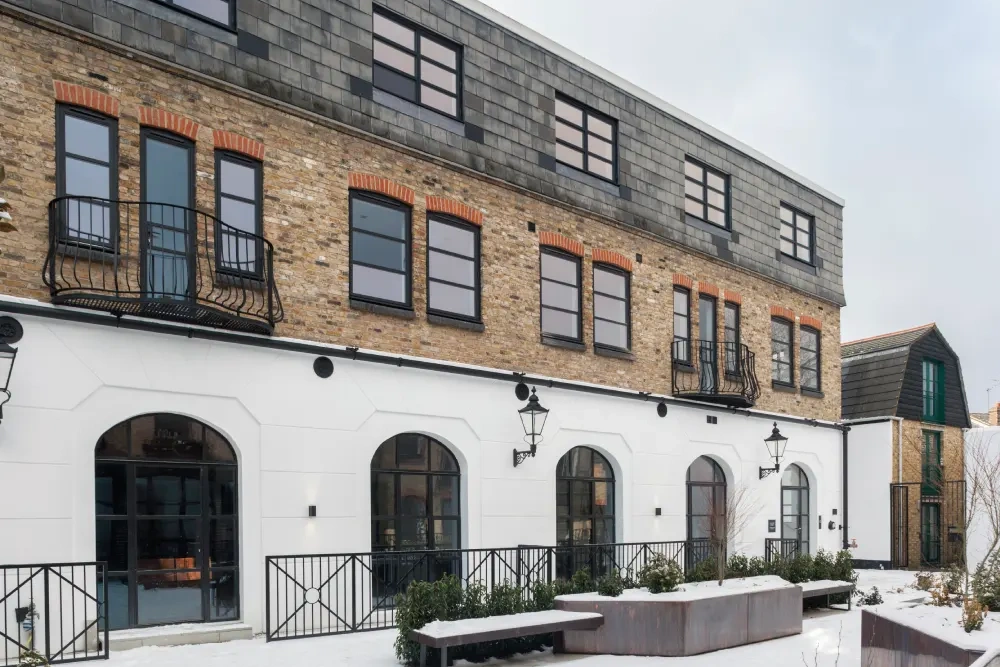
Here at Mercury Glazing we specialise in commercial aluminium windows and doors that help to reduce energy loss and enhance the thermal performance of commercial buildings. We work closely with you from start to finish to ensure you invest in a glazing solution that upgrades your building’s thermal performance and enhances its aesthetics.

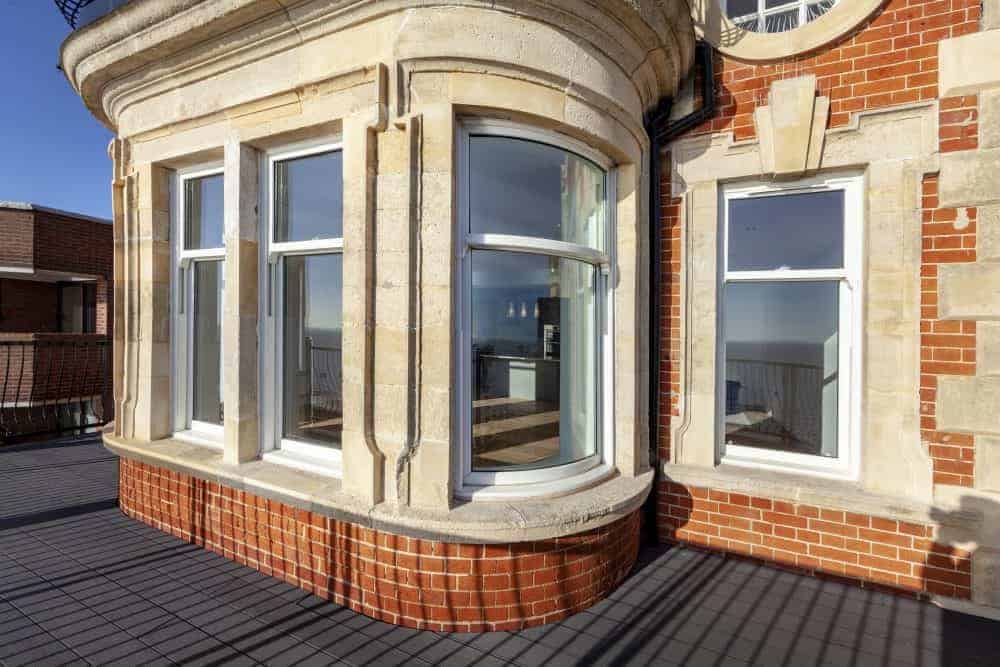
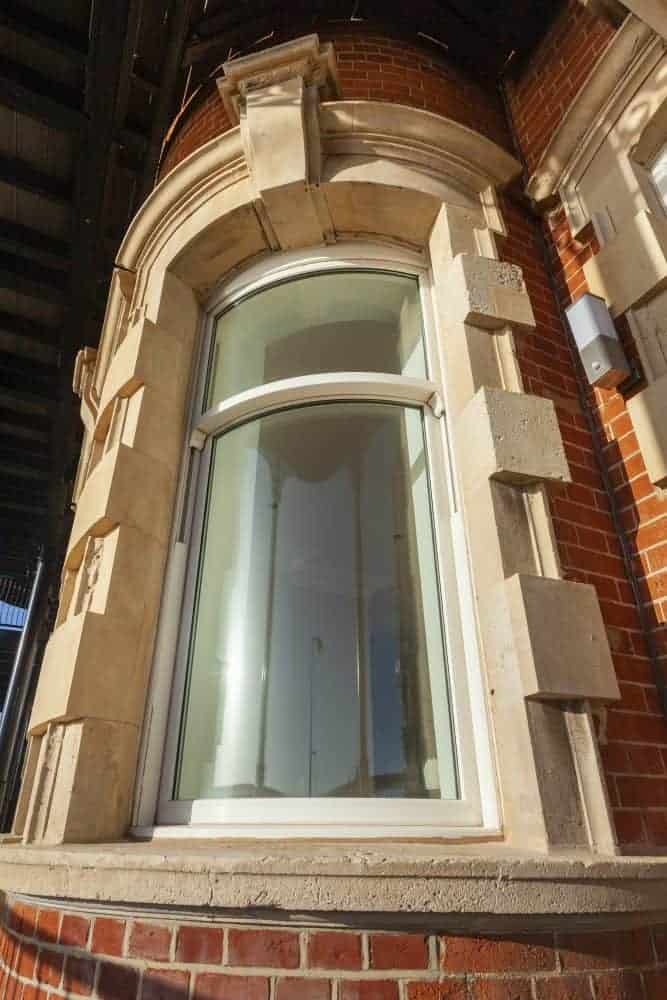
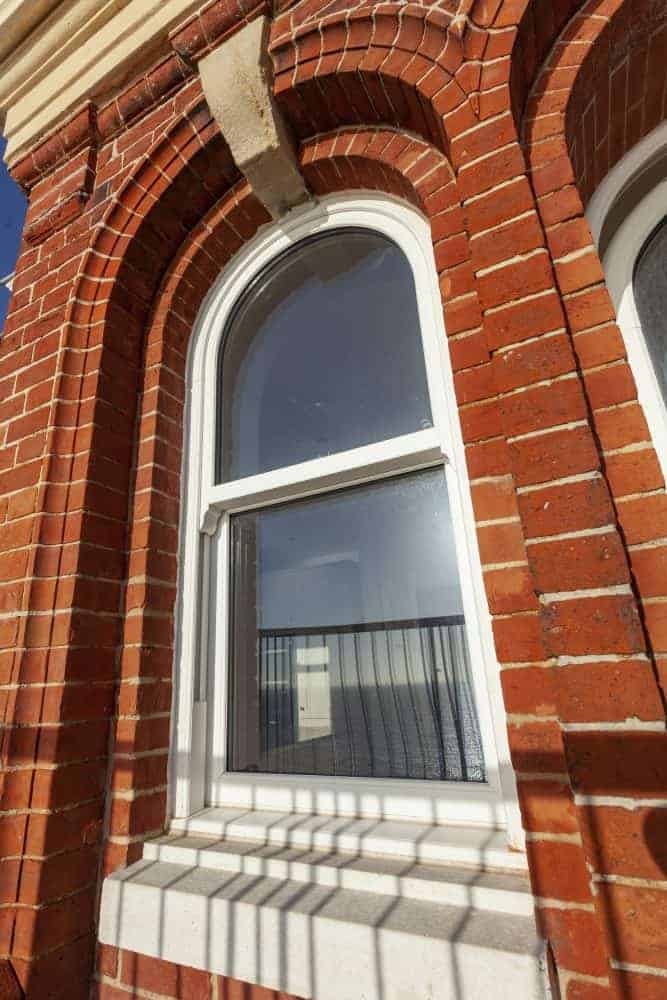
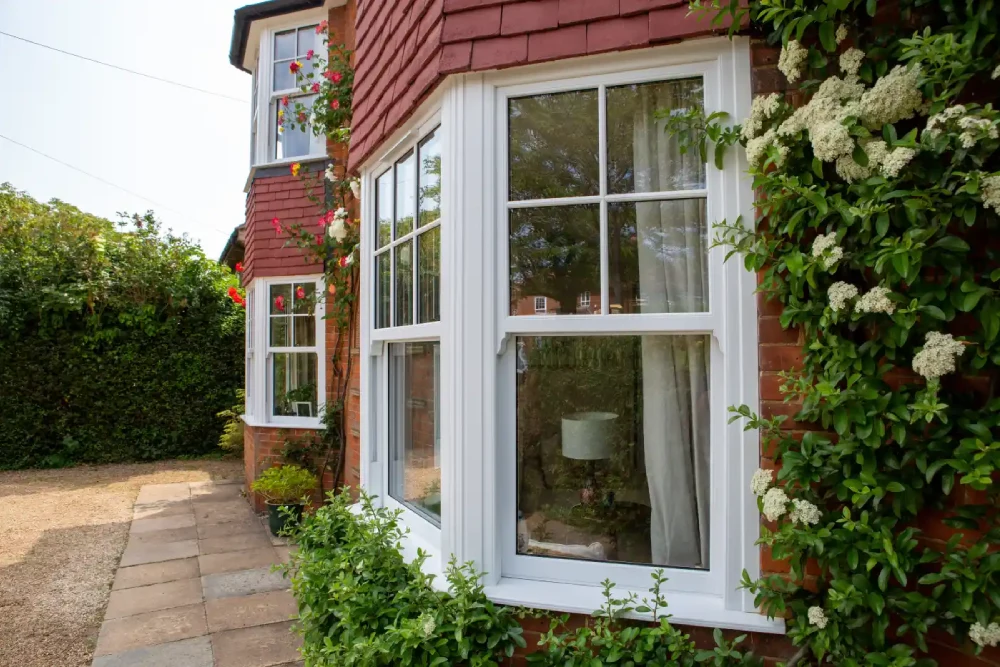
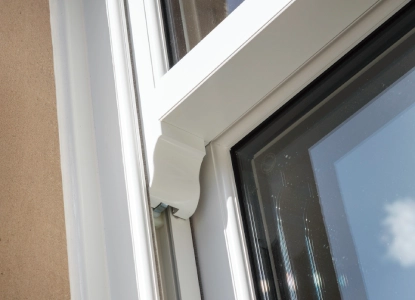
The Alitherm 300 Aluminium Window is an energy-efficient and elegant window that works well in commercial buildings of all types. The Alitherm Heritage 47 Aluminium Window provides excellent energy efficiency without compromising on period aesthetics. The Aluminium Sliding Sash Window helps to preserve historic characteristics and style while upgrading thermal performance. We also supply a wide range of commercial doors suitable for all types of project from offices to shopfronts.

Adding value by upgrading the Energy Performance Certificate rating for commercial buildings 

Clearly, there is a cost associated with investing in new window and door systems for your commercial building. However, the investment will reap rewards. Most importantly, it will help to make sure you are compliant with the new regulations so you can continue to let your commercial building. It will also enhance your commercial building’s value, which will affect how much rent you can charge or how much the building is worth when you want to sell it.

If you’d like to discuss the glazing solutions that could help you upgrade the thermal performance of your commercial building, get in touch today.
Enhanced Security and Performance

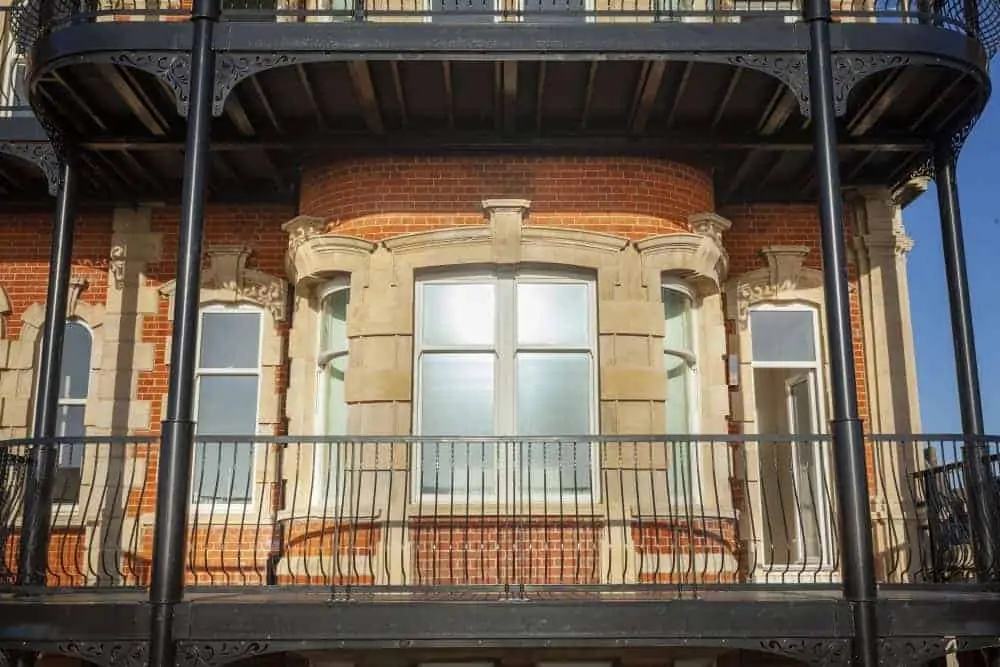
Beyond aesthetics and sustainability, aluminium commercial glazing prioritises safety and performance, providing peace of mind for building occupants and owners. Engineered to withstand extreme weather conditions and potential security threats, aluminium framing systems offer robust protection without compromising on design integrity. Moreover, advancements in glazing technology, such as laminated and tempered glass, provide enhanced security against intrusions and impacts while maintaining transparency and clarity. These features are especially crucial in commercial settings where safety and security are paramount concerns, ensuring that occupants can enjoy their surroundings with confidence.

Commercial Aluminium Windows:
Illuminating Spaces with Elegance 

In the realm of commercial glazing, windows serve as the eyes of a building, allowing natural light to flood interiors and connecting occupants with the external environment. Commercial aluminium windows offer a perfect combination of elegance, functionality, and durability, enriching the architectural aesthetic while enhancing the indoor environment.

Aluminium windows are available in a variety of styles, including casement, sliding, tilt and turn, and pivot options, providing architects and developers with the flexibility to meet diverse design requirements and spatial constraints. With slim sightlines and sleek profiles, aluminium windows can help to , maximise views and enhancing the overall visual appeal of commercial buildings. Beyond aesthetics, commercial aluminium windows prioritise energy efficiency and thermal performance, featuring advanced glazing options and thermal breaks that minimise heat loss and reduce energy consumption. This not only creates a more comfortable indoor environment for occupants but also contributes to the overall sustainability of the building.

Moreover, aluminium windows are inherently durable and low-maintenance, with robust construction that withstands the rigors of commercial use and exposure to the elements. This ensures long-term performance and reliability, reducing the need for frequent repairs and replacements and lowering lifecycle costs for building owners. Furthermore, aluminium windows can be customised with a range of finishes, hardware options and glazing configurations to suit the unique design preferences and functional requirements of each project. Whether it’s a sleek office tower, a vibrant retail space, or a contemporary hospitality venue, aluminium windows offer architects and developers endless possibilities to create spaces that inspire, engage and endure.

Sorry, there are no posts to display

From sash windows to aluminium bifold doors, our high-quality products are engineered and manufactured right here in Britain. We work with fellow UK-operated companies, Spectus Window Systems, Smart Systems, and Jack Aluminium Systems, to deliver only the very best to our trade, commercial and residential customers.

  • How much do French doors cost to install in the UK?

    The cost of installing French doors in the UK varies depending on the size, material, and design. At Mercury Glazing, we offer competitive pricing tailored to your specific needs. Please contact us for a personalised quote.

  • How to fit door handles?

    Fitting door handles can be a straightforward process. First, measure and mark the position on the door, drill the necessary holes, then attach the handle with screws. For detailed instructions or professional fitting services, feel free to reach out to us.

  • How to replace patio doors?

    Replacing patio doors involves removing the old doors, preparing the opening, and installing the new doors. It's a task best handled by professionals to ensure a perfect fit and functionality.

  • How much do patio doors cost?

    The cost of patio doors varies based on size, material, and design. Contact us at Mercury Glazing for a bespoke quote that matches your specific requirements.

  • How much are French doors?

    The price of French doors depends on the material, size, and design details. We offer a range of options to suit various budgets. Please get in touch for a tailored quote.

OUR ACCREDITATIONS

Spring 2023 Offer: Bifold doors JUST £400 per pane

In today’s modern architecture, few elements are as crucial as commercial glazing. Among the plethora of materials available, aluminium has emerged as a leading choice, particularly in the United Kingdom. Renowned for its versatility, durability and aesthetic appeal, aluminium commercial glazing has become a hallmark of contemporary architectural design across the UK landscape.

Cortizo Aluminium Bifold from Mercury

Our Cortizo Aluminium Bifold are manufactured to the highest standards to deliver outstanding technical performance. 

  • Superb slimline aesthetics
  • Market-leading sash width of 1200 mm
  • Suitable for commercial, residential and new build applications
  • PAS24:2016 option
  • Incorporates the latest in security technology
  • Delivering energy-efficient and thermal retention
  • Available in grey, black, white and grey on white
  • Rapid lead times

Get in touch with our sales team today to take advantage of this fantastic offer. Email sales@mercuryglazing.co.uk or call 01452 383 344

Enhanced Security and Performance

Beyond aesthetics and sustainability, aluminium commercial glazing prioritises safety and performance, providing peace of mind for building occupants and owners. Engineered to withstand extreme weather conditions and potential security threats, aluminium framing systems offer robust protection without compromising on design integrity. Moreover, advancements in glazing technology, such as laminated and tempered glass, provide enhanced security against intrusions and impacts while maintaining transparency and clarity. These features are especially crucial in commercial settings where safety and security are paramount concerns, ensuring that occupants can enjoy their surroundings with confidence.

Sorry, there are no posts to display

From sash windows to aluminium bifold doors, our high-quality products are engineered and manufactured right here in Britain. We work with fellow UK-operated companies, Spectus Window Systems, Smart Systems, and Jack Aluminium Systems, to deliver only the very best to our trade, commercial and residential customers.

  • How much do French doors cost to install in the UK?

    The cost of installing French doors in the UK varies depending on the size, material, and design. At Mercury Glazing, we offer competitive pricing tailored to your specific needs. Please contact us for a personalised quote.

  • How to fit door handles?

    Fitting door handles can be a straightforward process. First, measure and mark the position on the door, drill the necessary holes, then attach the handle with screws. For detailed instructions or professional fitting services, feel free to reach out to us.

  • How to replace patio doors?

    Replacing patio doors involves removing the old doors, preparing the opening, and installing the new doors. It's a task best handled by professionals to ensure a perfect fit and functionality.

  • How much do patio doors cost?

    The cost of patio doors varies based on size, material, and design. Contact us at Mercury Glazing for a bespoke quote that matches your specific requirements.

  • How much are French doors?

    The price of French doors depends on the material, size, and design details. We offer a range of options to suit various budgets. Please get in touch for a tailored quote.

OUR ACCREDITATIONS

The differences between commercial
glazing and double glazing

It’s very easy to assume that commercial glazing and standard residential double glazing are the same. In fact, they’re very different. Here are three reasons why. The differences between the applications of commercial glazing and double glazing When you think about double glazing for residential projects, it’s typically standard windows and doors and perhaps roof lanterns. Commercial glazing is used on a much larger scale and across many styles of building applications.  For example, a commercial building might have standard casement windows, doors and skylights. It might also use curtain walling. There might be internal applications too, as space dividers or stair rails.

Residential glazing is designed to enhance the aesthetic appeal of a house. Having said that, commercial glazing has to be aesthetically appealing too. But there are other requirements and project specifications to take into account. A shopfront will need to enhance the view of what’s inside to entice shoppers in. An office building will need to maximise natural light to make it a pleasant place to work.

The differences between the regulations for commercial glazing and double glazing. The regulations for commercial glazing are more complex and demanding than for residential double glazing. This is because there are much bigger demands on it.

A commercial building may be much higher than a residential building, which means it will be subject to much more demanding weather patterns. This has implications for wind loading properties and weather proofing.

Many more people will be using the space so there are health and safety implications in terms of the performance of the glazing. Commercial glazing must be very strong to help prevent accidents and break-ins.

Residential glazing is often designed to absorb solar energy. In contrast, there are usually many more people and much more electrical equipment in a commercial building, which means much more heat is generated than in a residential building. To prevent overheating by adding solar heat into the mix, commercial glazing must limit the amount of solar absorption.

At the same time, just like residential double glazing, thermal efficiency is an important consideration. Thermally efficient double glazing in both residential and commercial properties helps to limit the amount of energy-intensive heating and cooling that’s needed, helping to reduce the running costs of a building.

The differences between the installation of commercial glazing and double glazing. As we’ve said, there are typically big differences in scale between a residential building and a commercial building.

Because a commercial building is by design a lot larger than a domestic property and there are typically more people on site during construction, there are much more demanding health and safety requirements for installing commercial glazing. It requires specialist training, materials, tools and equipment.

Because the stakes are much higher, it is important to choose the right installer for a commercial glazing project. Many installers specialise in commercial glazing and have the credentials and experience that are needed to work on projects like these. Your commercial glazing manufacturer or supplier will be a good source of advice on the best commercial glazing installer for your requirements.

Choosing a commercial glazing supplier

Mercury Glazing is one of the UK’s leading specialist fabricators of bespoke windows and doors. We manufacture a comprehensive range of windows and doors for commercial and residential double glazing projects. Our solutions are suitable for projects featuring everything from cutting edge modern design to traditional heritage charm – and everything in between. We supply to contractors, builders and installers across the country. They choose Mercury because we offer an unbeatable combination of product quality, customer service excellence and undoubted expertise. To discuss how we could support your next commercial or residential window or door project, get in touch.

Sorry, there are no posts to display

From sash windows to aluminium bifold doors, our high-quality products are engineered and manufactured right here in Britain. We work with fellow UK-operated companies, Spectus Window Systems, Smart Systems, and Jack Aluminium Systems, to deliver only the very best to our trade, commercial and residential customers.

  • How much do French doors cost to install in the UK?

    The cost of installing French doors in the UK varies depending on the size, material, and design. At Mercury Glazing, we offer competitive pricing tailored to your specific needs. Please contact us for a personalised quote.

  • How to fit door handles?

    Fitting door handles can be a straightforward process. First, measure and mark the position on the door, drill the necessary holes, then attach the handle with screws. For detailed instructions or professional fitting services, feel free to reach out to us.

  • How to replace patio doors?

    Replacing patio doors involves removing the old doors, preparing the opening, and installing the new doors. It's a task best handled by professionals to ensure a perfect fit and functionality.

  • How much do patio doors cost?

    The cost of patio doors varies based on size, material, and design. Contact us at Mercury Glazing for a bespoke quote that matches your specific requirements.

  • How much are French doors?

    The price of French doors depends on the material, size, and design details. We offer a range of options to suit various budgets. Please get in touch for a tailored quote.

OUR ACCREDITATIONS

How to Clean uPVC Windows
Safely and Effectively

For half a century, uPVC’s popularity has steadily grown to become one of the materials of choice for windows that we see today.  As well as looking great, one of the main reasons for this increase in demand is the fact that they are relatively maintenance and hassle-free when compared to traditional wooden constructions.  Anyone with wooden window frames will be quick to tell you how they are susceptible to weathering and need regular treatment to keep them looking and working optimally.  With uPVC windows, however, often years can go by without them needing drastic attention. While it is true that uPVCs don’t require the same level of upkeep as their wooden equivalents, they do benefit from a regular clean in order to maintain their appearance and to remove any build up of dirt or dust that may have accumulated. This window grooming procedure isn’t difficult and it doesn’t take long but there are a couple of things you should do to achieve the best results – and a couple that you shouldn’t.  Follow the steps below to keep your windows looking fresh and bright.

How often should uPVC windows be cleaned?

The answer to this very much depends on the location of your property.  If you live in a rural setting that doesn’t experience much traffic and your home isn’t too exposed to the extremes of the weather, you will find that giving your windows a good clean every 6 months will be sufficient. Windows in exposed coastal areas get a build-up of salt residue so it’s important that this is cleaned off regularly. If you live in a more urban area or near the coast then halving the time between cleans is recommended, which would be every 3 months. 

These times are a guide.  As an estimate, they should give you an idea of how often you can expect to have to clean them, but it can vary depending on many factors, like seasonal variation and weather.  It always pays to be vigilant.

The Method

Although cleaning most things is pretty much a variation on a theme, the materials and products you should be using change according to the surface you are trying to clean.  We’ve broken the job down into sections, so you know exactly what to use, and where.

Frames – Inside

  • Open the window as far as it will go.  You will notice a change in resistance when it reaches its maximum extension – don’t open it past this point.
  • Use a vacuum cleaner to get rid of any obvious bits of dirt and dust from the hinges.  Depending on the shape of the opening and the make of your appliance, the attachment you need here might vary.
  • Using the soft brush attachment of your vacuum, run around the frame and suck up any cobwebs or other build ups.  Be sure to get in all the little gaps and corners of the frame.
  • Wipe the insides of the frames using a soft, clean cloth and warm water.  Mix in a mild soap solution to the water for best results.
  • Apply a few drops of multi-purpose oil to the hinges.  This will help keep them lubricated and squeak-free.  Hold a piece of kitchen towel under the hinge when you apply the drops to catch any run-off.

Frames – Outside
More than the dirt itself, damage can often be caused to the frames of your windows by overzealous cleaning.  This will only ever be a problem if stubborn stains and deposits have been allowed to accumulate.  To avoid this issue, a lighter but more regular clean is advised.

  • Close the window
  • Brush off any loose bits of dirt with a soft brush or soft cloth. The cloths you use should be soft enough that it won’t leave any scratch marks.
  • Rinse the window with a hose, removing any dirt or dust.  If you don’t have a hose, skip this step.
  • Either with a small squirt of washing-up liquid or a specific window-cleaning liquid (the type from a bottle, not a spray), make up a soapy solution.  Use warm water for this.
  • Wash the window frames and pane.  Start from a top corner and work your way down, finishing with the bottom part of the frame.
  • Rinse again with clean water from a hose.  If you don’t have one, as before, skip this step.

Properties with windows featuring surface-mounted Georgian bars, or ‘Astragal Bars’ as they are referred to in the trade, should be approached with more care as they can become dislodged especially if using long-reach window cleaning systems

Notes on Products and Tools

Squeegee – A sight verging on ubiquity whenever you see a professional window cleaner – and for good reason.  If you have one, use this instead of a cloth to clean the windowpanes.  Using the soft blade side, pass the squeegee across the pane.  Again, start from the top corner, and swipe from side to side, working your way down to the bottom.  Use your finger or a cloth to rid the squeegee of excess water between swipes. Vinegar – A time-honoured favourite for countless home-cleaning tasks.  Mix up a small batch of solution using a ratio of 1-part vinegar to 4-parts water.  Start with 100ml of vinegar and 400ml of water.  Add a couple of drops of washing-up liquid to the solution.  Use a soft cloth to apply the solution to the window, then rub bits of old newspaper in a circular motion across the pane to polish the surface to a perfect finish. Window-cleaning spray – Apply and remove in the same way as vinegar, but be careful not to spray any on the frames.  

Sills

  • Either with a small squirt of washing-up liquid or a specific window-cleaning liquid (the type from a bottle, not a spray), make up a soapy solution.  Again, use warm water.
  • Wash the sills.  You can use a soft cloth or a sponge for this, but make sure the sponge is the type that won’t leave any scratches.
  • If there are particularly stubborn patches of dirt, you may need to soak the sill for 5-10 minutes to remove them.  As long as they’ve been attended to regularly enough, this should do the trick.

Mould and Discolouring

Various moulds can develop on uPVC in the right conditions and over time older and cheaper types have been known to discolour with age.  If it has yellowed due to its inferior quality, there isn’t too much that can be done about it; if it has discoloured because of neglect or there’s a build-up of mould, our good friend vinegar might just save the day.

  • Mix a water/vinegar solution with a 4:1 ratio.  Start with 150ml of vinegar and 600ml of hot water.
  • Pour the solution into an empty, clean spray bottle.
  • Spray the solution onto the uPVC and leave it for 10 minutes.
  • Wipe the surface down with a clean, dry, soft cloth.

Important things to remember

  • Always use soft cloths and non-scratchy sponges and make sure they are clean.
  • Always take care with how much pressure you apply while cleaning uPVC.
  • Never use bleach or white spirits.  UPVC is porous; these products will damage its surface.  Many cleaning products also use colouring which can stain your frames permanently.
  • Never use wire wool or scouring pads or anything with a rough surface.  UPVC is susceptible to being scratched.
  • Never use caustic or ammonia-based products.

The Rub

There’s nothing better than stepping back from a job well done. Following the steps outlined above, you’ll keep your windows and frames looking as good as new for years to come. Is it time to replace your windows? Why not view Mercury’s uPVC range today and find out how you can refresh your property’s exterior whilst potentially improving its energy efficiency?

Disclaimer

Please note these are general guidelines and may not be suitable for all window types. In order to protect your installation warranty, please check with your window installer.

Sorry, there are no posts to display

From sash windows to aluminium bifold doors, our high-quality products are engineered and manufactured right here in Britain. We work with fellow UK-operated companies, Spectus Window Systems, Smart Systems, and Jack Aluminium Systems, to deliver only the very best to our trade, commercial and residential customers.

  • How much do French doors cost to install in the UK?

    The cost of installing French doors in the UK varies depending on the size, material, and design. At Mercury Glazing, we offer competitive pricing tailored to your specific needs. Please contact us for a personalised quote.

  • How to fit door handles?

    Fitting door handles can be a straightforward process. First, measure and mark the position on the door, drill the necessary holes, then attach the handle with screws. For detailed instructions or professional fitting services, feel free to reach out to us.

  • How to replace patio doors?

    Replacing patio doors involves removing the old doors, preparing the opening, and installing the new doors. It's a task best handled by professionals to ensure a perfect fit and functionality.

  • How much do patio doors cost?

    The cost of patio doors varies based on size, material, and design. Contact us at Mercury Glazing for a bespoke quote that matches your specific requirements.

  • How much are French doors?

    The price of French doors depends on the material, size, and design details. We offer a range of options to suit various budgets. Please get in touch for a tailored quote.

OUR ACCREDITATIONS

Further expansion at Mercury

Leading specialist fabricator Mercury Glazing Supplies Ltd has expanded its production facility by a further 50% since acquiring its third manufacturing unit at its Gloucester-based headquarters. The additional production space will be used to manufacture its extensive range of aluminium windows, doors, curtain walling and screening products.

The latest expansion is a testament to Mercury’s continuing success and, in this case, the increase in demand for their aluminium products. Martin Halford, Director at Mercury, said: “We have seen continued year-on-year growth for our aluminium products and even though the market is showing signs of a slowdown due to the economic pressures, we still have a very large pipeline of work across domestic, trade and commercial sectors. This latest expansion will help us continue to deliver exceptional quality and service to our growing customer base.”

Mercury offers a comprehensive range of aluminium products which are suitable for both domestic and commercial applications. Working closely with leading industry supply partners, they manufacture a full range of aluminium products including windows, bi-folding doors, sliding doors, designer doors, heritage windows, commercial doors, shopfronts, curtain walling and internal screening systems.

Martin said: “It is very important to us that our customer experience is excellent. This latest expansion will allow us to continue offering an outstanding level of service across our range of aluminium products and give us room to further expand as our business continues to grow.”

The latest expansion is the third dedicated manufacturing centre in Gloucester and forms part of the company’s four-year growth plan.  Martin said: “We are now in the middle of our four-year growth strategy and we remain laser-focused on achieving this while maintaining the customer service levels, turnaround times and quality that we’ve built our name on.”

An established high-end manufacturer, Mercury has a reputation for leading the way in fabricating the specialist products the market demands. Alongside their impressive range of aluminium products, the company is a longstanding Spectus vertical sliding window fabricator. Martin said: “We have always offered a strong product portfolio to support our customers across all sectors. At the same, it’s important to value the stability and resilience we offer. Mercury was founded in 2002 and we recently celebrated our 20th anniversary. It’s a reassuring track record that I know our customers appreciate.”

Production expansion is always noteworthy, but Mercury’s level of quality and continued investment makes them a reassuring partner for any installer or commercial contractor, something that is reflected in their rapidly growing business.

Sorry, there are no posts to display

From sash windows to aluminium bifold doors, our high-quality products are engineered and manufactured right here in Britain. We work with fellow UK-operated companies, Spectus Window Systems, Smart Systems, and Jack Aluminium Systems, to deliver only the very best to our trade, commercial and residential customers.

  • How much do French doors cost to install in the UK?

    The cost of installing French doors in the UK varies depending on the size, material, and design. At Mercury Glazing, we offer competitive pricing tailored to your specific needs. Please contact us for a personalised quote.

  • How to fit door handles?

    Fitting door handles can be a straightforward process. First, measure and mark the position on the door, drill the necessary holes, then attach the handle with screws. For detailed instructions or professional fitting services, feel free to reach out to us.

  • How to replace patio doors?

    Replacing patio doors involves removing the old doors, preparing the opening, and installing the new doors. It's a task best handled by professionals to ensure a perfect fit and functionality.

  • How much do patio doors cost?

    The cost of patio doors varies based on size, material, and design. Contact us at Mercury Glazing for a bespoke quote that matches your specific requirements.

  • How much are French doors?

    The price of French doors depends on the material, size, and design details. We offer a range of options to suit various budgets. Please get in touch for a tailored quote.

OUR ACCREDITATIONS

Double glazing ideas for
commercial properties

There are many options when it comes to double glazing for commercial properties. The question is, how do you start to narrow down your ideas? The first step is to talk to a commercial glazing expert about your double glazing ideas. They will have insight you can rely on when it comes the aesthetics of the double glazing for commercial properties. Their expertise will also be invaluable with the technical specifications that are so important to meeting the regulatory requirements of commercial buildings.

Ideas on the aesthetics of double glazing for commercial properties​

Aluminium has been the first choice for commercial properties for many years. It offers exceptional design versatility so it can be used in a wide variety of building styles and commercial applications. Here at Mercury Glazing we manufacture a range of aluminium double glazing that are suitable for a wide variety of commercial buildings.

For example, Alitherm 300 Aluminium Windows have the elegant and understated style of a traditional casement window, which makes them ideal for commercial refurbishment projects. They also bring classic style to new constructions.

If you need a double glazing solution for a heritage or listed building, take a look at our Alitherm Heritage 47 Aluminium Windows. They have been engineered specifically to replace existing steel and Crittall windows, so they are ideal option, particularly when planning and conservation constraints are a factor. Their distinctive looks also bring a design-led feel to new build commercial projects.

If you need sliding sash windows, our Aluminium Sliding Sash Windows could be the answer.

It is also worth looking at PVC-U versions of sliding sash windows – we offer PVC-U Fully Welded Vertical Sliders and PVC-U Mechanically Jointed Vertical Sliders. We are one of the UK’s largest manufacturers of the market-leading PVC-U vertical sliding sash window, so we really are the experts on these complex window designs.

Both aluminium and PVC-U frames are available in a multitude of different colour options, so you can select a colour that blends in or makes a strong design statement to support your architectural specifications. Your commercial glazing partner will be ready to discuss your design ideas to help you select the shade that’s right for your project.

The second is the strict manufacturing protocols the company has in place. Martin says: “High end products mean you need to be laser-focused when it comes to product quality. There’s no room to cut corners and we never forget this. When you buy from Mercury you’re buying the reassurance of attention to detail you can rely on.”

Ideas on the technical requirements of double glazing for commercial properties

All buildings need to meet stringent regulations when it comes to factors such as thermal efficiency, security and ventilation. One size doesn’t fit all and the specifications of your commercial glazing are likely to differ from project to project depending on factors including location, thermal efficiency requirements and security considerations. For example, high rise buildings will have higher wind loading requirements; buildings in busy city centres may need acoustic glazing solutions. When it comes to security, ground floor glazing might have more demanding requirements than glazing on upper floors. When you work with a reputable commercial glazing company you can be sure you will have an expert partner by your side to help you with the technical requirements. They will be able to run calculations to assess the requirements of your commercial glazing. They will also have the experience to be able to identify requirements you may have missed. In short, they should be your first port of call when it comes to your double glazing ideas for all commercial projects.

Choosing your commercial double glazing expert

It is essential to choose a commercial double glazing company with a strong track record in working with architects, contractors and specifiers on commercial contracts. Mercury has been manufacturing a comprehensive range of durable aluminium and PVC-U windows and doors suitable for commercial and residential properties since 2002. We’re a proudly British manufacturer and a reliable team of over 60 highly trained staff with decades of commercial experience and expertise. With a strong track record of delivering great results, we’ll suggest the best options for your commercial projects, considering fundamental factors such as style, thermal efficiency and budget. With our in-house manufacturing expertise and competitive prices, we will work closely with you to support you at every level. So, to start the conversation about your commercial glazing requirements, get in touch today.

Sorry, there are no posts to display

From sash windows to aluminium bifold doors, our high-quality products are engineered and manufactured right here in Britain. We work with fellow UK-operated companies, Spectus Window Systems, Smart Systems, and Jack Aluminium Systems, to deliver only the very best to our trade, commercial and residential customers.

  • How much do French doors cost to install in the UK?

    The cost of installing French doors in the UK varies depending on the size, material, and design. At Mercury Glazing, we offer competitive pricing tailored to your specific needs. Please contact us for a personalised quote.

  • How to fit door handles?

    Fitting door handles can be a straightforward process. First, measure and mark the position on the door, drill the necessary holes, then attach the handle with screws. For detailed instructions or professional fitting services, feel free to reach out to us.

  • How to replace patio doors?

    Replacing patio doors involves removing the old doors, preparing the opening, and installing the new doors. It's a task best handled by professionals to ensure a perfect fit and functionality.

  • How much do patio doors cost?

    The cost of patio doors varies based on size, material, and design. Contact us at Mercury Glazing for a bespoke quote that matches your specific requirements.

  • How much are French doors?

    The price of French doors depends on the material, size, and design details. We offer a range of options to suit various budgets. Please get in touch for a tailored quote.

OUR ACCREDITATIONS
Double glazing ideas for
commercial properties

There are many options when it comes to double glazing for commercial properties. The question is, how do you start to narrow down your ideas? The first step is to talk to a commercial glazing expert about your double glazing ideas. They will have insight you can rely on when it comes the aesthetics of the double glazing for commercial properties. Their expertise will also be invaluable with the technical specifications that are so important to meeting the regulatory requirements of commercial buildings.

Ideas on the aesthetics of double glazing for commercial properties​

Aluminium has been the first choice for commercial properties for many years. It offers exceptional design versatility so it can be used in a wide variety of building styles and commercial applications. Here at Mercury Glazing we manufacture a range of aluminium double glazing that are suitable for a wide variety of commercial buildings.

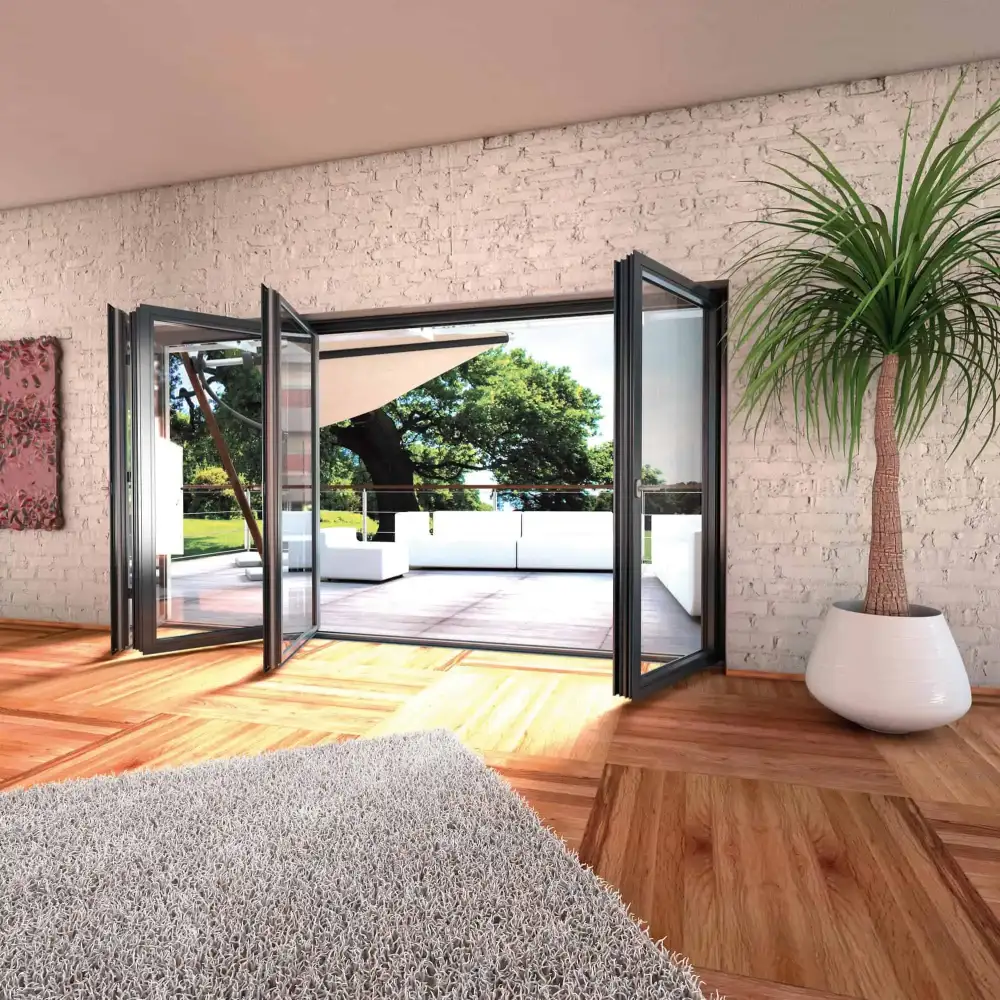
For example, Alitherm 300 Aluminium Windows have the elegant and understated style of a traditional casement window, which makes them ideal for commercial refurbishment projects. They also bring classic style to new constructions.

If you need a double glazing solution for a heritage or listed building, take a look at our Alitherm Heritage 47 Aluminium Windows. They have been engineered specifically to replace existing steel and Crittall windows, so they are ideal option, particularly when planning and conservation constraints are a factor. Their distinctive looks also bring a design-led feel to new build commercial projects.

If you need sliding sash windows, our Aluminium Sliding Sash Windows could be the answer.

It is also worth looking at PVC-U versions of sliding sash windows – we offer PVC-U Fully Welded Vertical Sliders and PVC-U Mechanically Jointed Vertical Sliders. We are one of the UK’s largest manufacturers of the market-leading PVC-U vertical sliding sash window, so we really are the experts on these complex window designs.

Both aluminium and PVC-U frames are available in a multitude of different colour options, so you can select a colour that blends in or makes a strong design statement to support your architectural specifications. Your commercial glazing partner will be ready to discuss your design ideas to help you select the shade that’s right for your project.

The second is the strict manufacturing protocols the company has in place. Martin says: “High end products mean you need to be laser-focused when it comes to product quality. There’s no room to cut corners and we never forget this. When you buy from Mercury you’re buying the reassurance of attention to detail you can rely on.”

Ideas on the technical requirements of double glazing for commercial properties

All buildings need to meet stringent regulations when it comes to factors such as thermal efficiency, security and ventilation. One size doesn’t fit all and the specifications of your commercial glazing are likely to differ from project to project depending on factors including location, thermal efficiency requirements and security considerations. For example, high rise buildings will have higher wind loading requirements; buildings in busy city centres may need acoustic glazing solutions. When it comes to security, ground floor glazing might have more demanding requirements than glazing on upper floors. When you work with a reputable commercial glazing company you can be sure you will have an expert partner by your side to help you with the technical requirements. They will be able to run calculations to assess the requirements of your commercial glazing. They will also have the experience to be able to identify requirements you may have missed. In short, they should be your first port of call when it comes to your double glazing ideas for all commercial projects.

Choosing your commercial double glazing expert

It is essential to choose a commercial double glazing company with a strong track record in working with architects, contractors and specifiers on commercial contracts. Mercury has been manufacturing a comprehensive range of durable aluminium and PVC-U windows and doors suitable for commercial and residential properties since 2002. We’re a proudly British manufacturer and a reliable team of over 60 highly trained staff with decades of commercial experience and expertise. With a strong track record of delivering great results, we’ll suggest the best options for your commercial projects, considering fundamental factors such as style, thermal efficiency and budget. With our in-house manufacturing expertise and competitive prices, we will work closely with you to support you at every level. So, to start the conversation about your commercial glazing requirements, get in touch today.

Sorry, there are no posts to display

From sash windows to aluminium bifold doors, our high-quality products are engineered and manufactured right here in Britain. We work with fellow UK-operated companies, Spectus Window Systems, Smart Systems, and Jack Aluminium Systems, to deliver only the very best to our trade, commercial and residential customers.

  • How much do French doors cost to install in the UK?

    The cost of installing French doors in the UK varies depending on the size, material, and design. At Mercury Glazing, we offer competitive pricing tailored to your specific needs. Please contact us for a personalised quote.

  • How to fit door handles?

    Fitting door handles can be a straightforward process. First, measure and mark the position on the door, drill the necessary holes, then attach the handle with screws. For detailed instructions or professional fitting services, feel free to reach out to us.

  • How to replace patio doors?

    Replacing patio doors involves removing the old doors, preparing the opening, and installing the new doors. It's a task best handled by professionals to ensure a perfect fit and functionality.

  • How much do patio doors cost?

    The cost of patio doors varies based on size, material, and design. Contact us at Mercury Glazing for a bespoke quote that matches your specific requirements.

  • How much are French doors?

    The price of French doors depends on the material, size, and design details. We offer a range of options to suit various budgets. Please get in touch for a tailored quote.

OUR ACCREDITATIONS

Mercury rising

Specialist fabricator Mercury Glazing has reported a year-on-year growth of 18% with the company achieving its highest ever monthly sales figure in September. Martin Halford, Mercury’s Director, said: “We are delighted to be reporting such strong sales growth especially against the backdrop of so much market uncertainty. The economic situation is undoubtedly choppy so this is no time for complacency, but it’s important to observe these figures.”

Martin says the company’s ongoing success is down to three clear factors. The first is its strong portfolio of specialist products across PVC-U and aluminium. The company is a leading fabricator of the market-leading Spectus PVC-U Vertical Slider System and they also manufacture a range of aluminium products from Cortizo and Smart aluminium systems. Martin comments: “We have a 20-year track record for manufacturing high-end specialist products. They are typically installed in the high value commercial and residential projects that are less affected by economic turbulence. And history shows that ‘heritage’ and high-end products tend to be protected during economic downturns.”

The second is the strict manufacturing protocols the company has in place. Martin says: “High end products mean you need to be laser-focused when it comes to product quality. There’s no room to cut corners and we never forget this. When you buy from Mercury you’re buying the reassurance of attention to detail you can rely on.”

Lastly, it’s investment in plant and people. The company is committed to continuous investment to ensure it has state-of-the-art manufacturing processes. Martin comments: “Technology is advancing the whole time and we keep our finger on the pulse to ensure we are using the best machines that deliver the best in quality. When you add in the expertise and experience of our staff, it’s a winning proposition.”

Mercury Glazing is in the middle of a four-year plan for growth. As these latest sales figures show, it remains well on course. It’s testament to a compelling offering that continues to make the company the go-to for specialist, feature-rich products.

Materials

A hallmark of late 20th/early 21st century public spaces is their use of plain, open entrances, with emphasis on glass and metal in the construction of the facade. Think of any recently built arts centre or government building and the concept would be on display. As well as being relatively hassle-free with regards to maintenance, having large pains of glass on a building’s frontage gives the impression of clarity and transparency, and metal of industry and authority. Alternatively, a traditionally painted or treated wall, with signage and on-brand messaging, inspires a sense of charm and homeliness and care. Each of these has positives, but they send very different messages as to the type of business your customers might expect to find inside.

Sorry, there are no posts to display

From sash windows to aluminium bifold doors, our high-quality products are engineered and manufactured right here in Britain. We work with fellow UK-operated companies, Spectus Window Systems, Smart Systems, and Jack Aluminium Systems, to deliver only the very best to our trade, commercial and residential customers.

  • How much do French doors cost to install in the UK?

    The cost of installing French doors in the UK varies depending on the size, material, and design. At Mercury Glazing, we offer competitive pricing tailored to your specific needs. Please contact us for a personalised quote.

  • How to fit door handles?

    Fitting door handles can be a straightforward process. First, measure and mark the position on the door, drill the necessary holes, then attach the handle with screws. For detailed instructions or professional fitting services, feel free to reach out to us.

  • How to replace patio doors?

    Replacing patio doors involves removing the old doors, preparing the opening, and installing the new doors. It's a task best handled by professionals to ensure a perfect fit and functionality.

  • How much do patio doors cost?

    The cost of patio doors varies based on size, material, and design. Contact us at Mercury Glazing for a bespoke quote that matches your specific requirements.

  • How much are French doors?

    The price of French doors depends on the material, size, and design details. We offer a range of options to suit various budgets. Please get in touch for a tailored quote.

OUR ACCREDITATIONS

What to Consider when Designing a
Commercial Property

Similar to the human beings who populate them, the presentation of a commercial building is an integral part of creating a positive relationship with your customer base. If an aspect of a design is faulty, there is a distinct possibility that either it won’t be suitable for use or that it sends the wrong signal about your business to those you hope will support it, or both. Having a clear idea of what that signal should be, and how you aim to achieve it, is crucial in maximising your potential for success. From the choice of materials and colours you use to the quality of light and amount of ambient noise, everything makes a difference to how a client perceives their experience, which in turn informs the likelihood of them returning to you in the future – the obvious metric by which any commercial premises’ success is measured. Our principal areas of concern may be windows, doors and lighting, but over the years we have noticed a few things in all aspects of the building industry, so we’ve drawn up a checklist of the things we think are worth considering when designing a commercial space.

The Entrance – What you See is What you Get

First impressions matter. A quick search of famous quotes on the subject gets you from Cynthia Ozick to Hunter S. Thompson in the click of a mouse. Suffice to say: they’re not wrong. Having a clear image of your identity will go a long way in the pursuit of choosing some of the more individual variables, but whatever your intended market, the design should be inviting, inclusive and clear. Here are some of the things that contribute to this first impression and how you can best control the narrative.

Setting the Tone – Colours and Themes

The face of a commercial property is like the home page of an online retailer. It’s important that the image of the business you are presenting is consistent – or on-brand – with the services or goods being offered. A visibly dirty kitchen would naturally make us think twice about eating at a restaurant; the same logic can be applied to any place of business. If the intention is for a calm, relaxing atmosphere, the colour palette might want to be neutral and the space less cluttered. On the other hand, if the ambience needs a more energised and vibrant feel, bold colours and a busier display might be more suitable.

Materials

A hallmark of late 20th/early 21st century public spaces is their use of plain, open entrances, with emphasis on glass and metal in the construction of the facade. Think of any recently built arts centre or government building and the concept would be on display. As well as being relatively hassle-free with regards to maintenance, having large pains of glass on a building’s frontage gives the impression of clarity and transparency, and metal of industry and authority. Alternatively, a traditionally painted or treated wall, with signage and on-brand messaging, inspires a sense of charm and homeliness and care. Each of these has positives, but they send very different messages as to the type of business your customers might expect to find inside.

Windows and Doors

Windows and doors of commercial premises must be many – often contradictory – things at once.  They have to be safe and solid but inviting and functional.  They have to be durable and weather-resistant but also aesthetically appealing in their own right, as well as ample in their size and positioning – so as to best make use of the natural light and to give your potential clients the best view of the experience they can expect once they cross the threshold. Whether you’re thinking of the secure durability of aluminium or the extra thermal values of uPVC (or you’re still unsure), our well informed and dedicated team would be more than happy to answer any questions you might have, from the pros and cons of particular materials to the compatibility with design specifications. They are an intrinsic aspect of a building’s performance from the inside as well as out, but we will touch on that again a little later on.

Lighting

Another one that is just as important on the outside of premises as it is on the inside.  The time of day that a space is open will make a big difference to the types of lighting you use.  Despite this, in many contexts – when the building is visible from areas of heavy vehicular or pedestrian traffic, for example – enabling a clear view of the property even outside of the hours of service is a worthwhile move.

Planning, Zones and Permits

This point could easily have been first on the list. Before working on your property, you must ensure that you have obtained all the necessary permits. Councils will not approve any plans until they know that they meet all relevant safety standards and adhere to all of the necessary planning regulations. Planning and zoning regulations are also key areas of consideration. They may significantly alter what you can and can’t do with a space. They might have restrictions on a building’s size or location, too. Local councils have different and ever-changing criteria, so the websites and representatives of the given constituencies will provide accurate information for your specific case. These can be long, drawn-out processes, so getting them done in the early stages of your design is advisable – you don’t want to find out that one part needs changing later on.

Structure and Interior Design

Layout

The way a building is structured can have a major effect on what the space can be used for. Often, commercial properties have more than one business in them, and just as often the ones they do have change, so the utility of a building should be high on the priority list. Does the layout accommodate a wide range of uses? Can aspects be easily changed if the needs of the space shift?

Windows and Lighting

Ample window space reduces the amount of electrically subsidised light needed during the day. If a business operates during daylight hours only, the amount of natural light a space gets can make a huge difference. If the model is based on night trade, windows help with creating an atmosphere and a feeling of being removed from the potential weather extremes, as well as reducing the amount of noise that filters through from the outside environs. At any time of the day, lighting can help focus people’s attention to what you want them to see. We as a species are very sensitive to fluctuations of light, using it in the correct way is an effective tool in the design arsenal. It’s worth saying again – windows, doors and lights are our bread and butter. If there are any questions you have, don’t hesitate to ask one of our professionals for assistance or advice.

Labour

An obvious but all-too-often overlooked aspect. The contractors and engineers you are able to get to work on your plans will dictate what is logistically within your means. Make sure your team is happy with your plans before you commit to it or them. The value of professional, experienced advice cannot be overstated, either.

Now, Get the Ball Rolling…

Designing a commercial property is a complex pursuit, but with a clear image of what you want and a detailed plan of how to get there, it can be a lot simpler than you might think. Like all big challenges in life, it can also come with the biggest rewards.

Sorry, there are no posts to display

From sash windows to aluminium bifold doors, our high-quality products are engineered and manufactured right here in Britain. We work with fellow UK-operated companies, Spectus Window Systems, Smart Systems, and Jack Aluminium Systems, to deliver only the very best to our trade, commercial and residential customers.

  • How much do French doors cost to install in the UK?

    The cost of installing French doors in the UK varies depending on the size, material, and design. At Mercury Glazing, we offer competitive pricing tailored to your specific needs. Please contact us for a personalised quote.

  • How to fit door handles?

    Fitting door handles can be a straightforward process. First, measure and mark the position on the door, drill the necessary holes, then attach the handle with screws. For detailed instructions or professional fitting services, feel free to reach out to us.

  • How to replace patio doors?

    Replacing patio doors involves removing the old doors, preparing the opening, and installing the new doors. It's a task best handled by professionals to ensure a perfect fit and functionality.

  • How much do patio doors cost?

    The cost of patio doors varies based on size, material, and design. Contact us at Mercury Glazing for a bespoke quote that matches your specific requirements.

  • How much are French doors?

    The price of French doors depends on the material, size, and design details. We offer a range of options to suit various budgets. Please get in touch for a tailored quote.

OUR ACCREDITATIONS

5 Tips for Reducing your
Energy Bills this Autumn

Things change fast. For those of us who have spent large parts of the summer worrying about the levels of heat and the scarcity of the rain, it hardly seems possible that just a couple of months later we are faced with the kind of winter we have ahead of us. But here we are, and with October looming over our collective consciousness, when a typical household will need to find an average of £3,549 a year to cover their energy bills – capped at £2,500 for 2 years via the Energy Price Guarantee, but still – every little saving we can make now will pay dividends once the increase begins to take hold. Fortunately, there is plenty we can do to make a difference, most of which can be applied without too much of an adjustment to our lives or investment of the very thing that we are trying to look after: our money. Here, we will take a quick look at 5 things you can do today to mitigate some of the pressures of the colder seasons ahead.

Plug the Leak: Windows and Doors

All homes lose heat; finding the spots most susceptible to this fact should therefore be fairly high on the priority list when it comes to thinking about reducing the load of our energy bills.  Obviously, each house is different, but there are useful rules of thumb to bear in mind if an investment is something your considering.

As a rough guide to the average household’s insulation performance, it is said that:

  • 35% of its heat is lost through the walls
  • 25% is lost through the roof
  • 15% escapes through the doors, the same goes for the floor
  • 10% goes through the windows

So, with those numbers it is easy to see where any home might benefit from an investment.  The most effective ways to increase insulation are fairly clear, but they happen to be by far the most expensive areas of concern, too (let alone the most disruptive). This is why an upgrade to windows and doors is so commonly recommended: the same efficacy as re-insulating your roof, but at a fraction of the cost and inconvenience.

At Mercury Glazing, we can vouch for the difference of using thermally retentive materials in doors and windows. With 20 years of experience, we have all the ins and outs (excuse the pun) of bringing any home into the 21st century and reducing those future heating bills.

Thermostat: £80 at the Turn of a Dial

According to a recent Uswitch study, almost 2/3 of UK households (around 17 million homes) set their thermostat at 20°C and 10% have it at 25°C or above – at the time of writing, warmer than it is in Rome or Barcelona. The Committee on Climate Change recommends a setting of 19°C for heating homes; Uswitch has revealed that if the 17.7 million households who currently set their thermostats at 20°C were to reduce their heating by just that single degree, it would amount to a saving of £80 a year per dwelling, a combined annual saving of £1.4 billion.

Vanquishing the Energy Vampires

Take a seat, this one hurts. By the term energy vampires, we are referring to everything that is plugged in at the wall, eating away at your finances whether you’re using them or not. Laptops, phone chargers and televisions all fit the description. Experts vary in their estimates of the savings, but the figures invariably reach into the hundreds, just for switching gadgets off at the wall when we’re not using them: a fairly sensible choice then.

Radiators

Just like the circulatory system of the human body, radiators are a vital part of keeping a home warm and costly when they don’t work to their capacity. Luckily, checking to see that they’re working properly is as simple as putting your hand on them and diagnosing the problem is often not much more complicated.

Begin by turning the heating on and having all the radiators running hot. Once the system has had long enough to reach temperature, go from room to room and check that every radiator has warmed up evenly.  If every part of each is hot – from top to bottom – then they are working as they should; if there are any cold spots then you have issues.  Where these cold spots are located will often give a clue as to the nature of the problem. Here’s a quick run through of the things to look out for:

  • Radiator has cold pockets along the top but is otherwise warm: air pockets can build in the system, meaning the water inside the radiator can’t evenly heat up the unit. Air pockets rise in water, so the cold spots will be located at the top of the radiator. Bleeding the system should solve the problem.
  • Radiator is hot at the top but cold at the bottom: sediment deposits can build up over time and find their way into radiators, where it tends to settle to form a sludge-like barrier to the circulation of water in the system. Radiators will need to be flushed to bring them back to full functionality.
  • Radiators are warm upstairs but cold downstairs: extended periods of being switched off can cause problems with your central heating pump. Commonly an issue after the warmer summer months.  Sometimes, simply tapping the pump gently with a mallet or hammer can kick-start it, otherwise a qualified engineer will know what’s needed.
  • Radiators are warm downstairs but cold upstairs: likely a blockage in the ball valve or a lack of water in the feed.  Again, qualified assistance would be the best bet here.

Make the Switch

According to research conducted by the government in 2016, based on Ofgem’s ‘typical domestic consumption’ household annual usage, 14 million households could make a saving of at least £200 just by switching to the best deal on the market. With the energy sector’s profits so heavily concentrated on in the news, it would be hard to see that trend changing anytime soon.

Lightening the Load

There’s no getting around the fact that this winter will see a great many changes made by most of us in an effort to reduce the weight of the cost of living crisis we are about to live through. If preparation is the best form of defence, little adjustments now may well make all the difference a little further down the road.

Sorry, there are no posts to display

From sash windows to aluminium bifold doors, our high-quality products are engineered and manufactured right here in Britain. We work with fellow UK-operated companies, Spectus Window Systems, Smart Systems, and Jack Aluminium Systems, to deliver only the very best to our trade, commercial and residential customers.

  • How much do French doors cost to install in the UK?

    The cost of installing French doors in the UK varies depending on the size, material, and design. At Mercury Glazing, we offer competitive pricing tailored to your specific needs. Please contact us for a personalised quote.

  • How to fit door handles?

    Fitting door handles can be a straightforward process. First, measure and mark the position on the door, drill the necessary holes, then attach the handle with screws. For detailed instructions or professional fitting services, feel free to reach out to us.

  • How to replace patio doors?

    Replacing patio doors involves removing the old doors, preparing the opening, and installing the new doors. It's a task best handled by professionals to ensure a perfect fit and functionality.

  • How much do patio doors cost?

    The cost of patio doors varies based on size, material, and design. Contact us at Mercury Glazing for a bespoke quote that matches your specific requirements.

  • How much are French doors?

    The price of French doors depends on the material, size, and design details. We offer a range of options to suit various budgets. Please get in touch for a tailored quote.

OUR ACCREDITATIONS

x

Bradford Alvena 4

Lorem Ipsum is simply dummy text of the printing and typesetting industry. Lorem Ipsum has been the industry's standard dummy text ever since the 1500s, when an unknown printer took a galley of type and scrambled it to make a type specimen book. It has survived not only five centuries, but also the leap into electronic typesetting, remaining essentially unchanged. It was popularised in the 1960s with the release of Letraset sheets containing Lorem Ipsum passages, and more recently with desktop publishing software like Aldus PageMaker including versions of Lorem Ipsum.

x

Timmy Damian

Lorem Ipsum is simply dummy text of the printing and typesetting industry. Lorem Ipsum has been the industry's standard dummy text ever since the 1500s, when an unknown printer took a galley of type and scrambled it to make a type specimen book. It has survived not only five centuries, but also the leap into electronic typesetting, remaining essentially unchanged. It was popularised in the 1960s with the release of Letraset sheets containing Lorem Ipsum passages, and more recently with desktop publishing software like Aldus PageMaker including versions of Lorem Ipsum.

x

Bradford Alvena 2

Lorem Ipsum is simply dummy text of the printing and typesetting industry. Lorem Ipsum has been the industry's standard dummy text ever since the 1500s, when an unknown printer took a galley of type and scrambled it to make a type specimen book. It has survived not only five centuries, but also the leap into electronic typesetting, remaining essentially unchanged. It was popularised in the 1960s with the release of Letraset sheets containing Lorem Ipsum passages, and more recently with desktop publishing software like Aldus PageMaker including versions of Lorem Ipsum.

x

Bradford Alvena 3

Lorem Ipsum is simply dummy text of the printing and typesetting industry. Lorem Ipsum has been the industry's standard dummy text ever since the 1500s, when an unknown printer took a galley of type and scrambled it to make a type specimen book. It has survived not only five centuries, but also the leap into electronic typesetting, remaining essentially unchanged. It was popularised in the 1960s with the release of Letraset sheets containing Lorem Ipsum passages, and more recently with desktop publishing software like Aldus PageMaker including versions of Lorem Ipsum.

x

Bradford Alvena

Lorem Ipsum is simply dummy text of the printing and typesetting industry. Lorem Ipsum has been the industry's standard dummy text ever since the 1500s, when an unknown printer took a galley of type and scrambled it to make a type specimen book. It has survived not only five centuries, but also the leap into electronic typesetting, remaining essentially unchanged. It was popularised in the 1960s with the release of Letraset sheets containing Lorem Ipsum passages, and more recently with desktop publishing software like Aldus PageMaker including versions of Lorem Ipsum.

    Book A Consultation

    Attach File

      Get In Touch

      Attach File

        Download