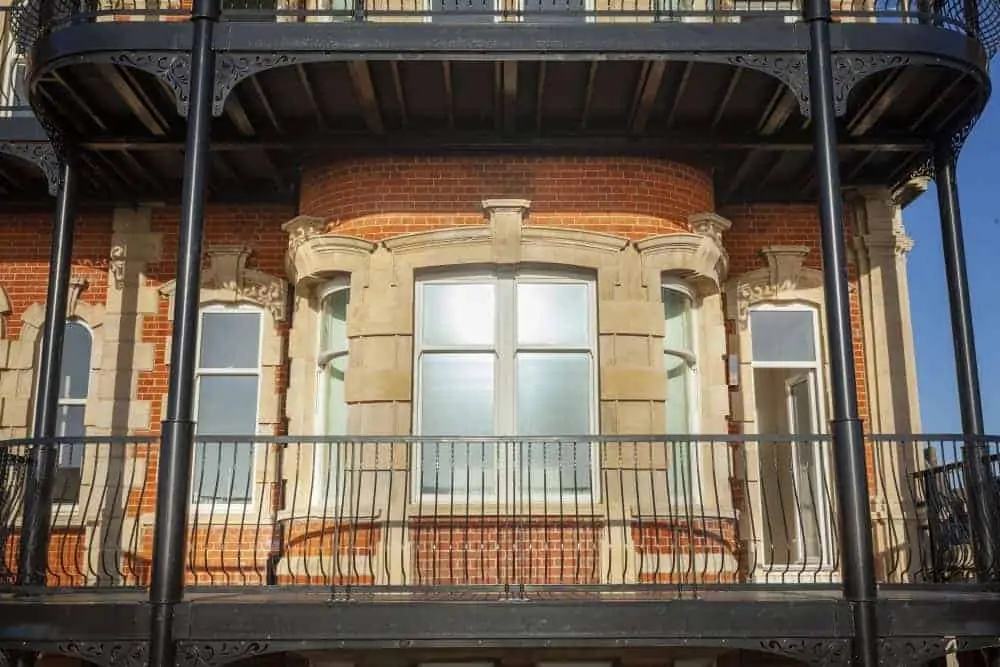
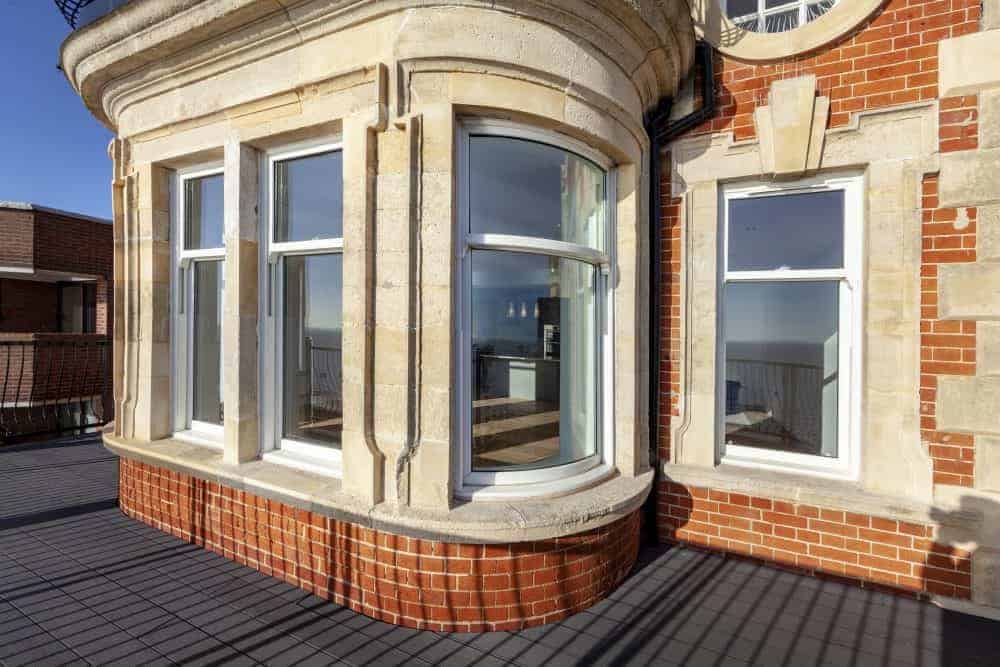
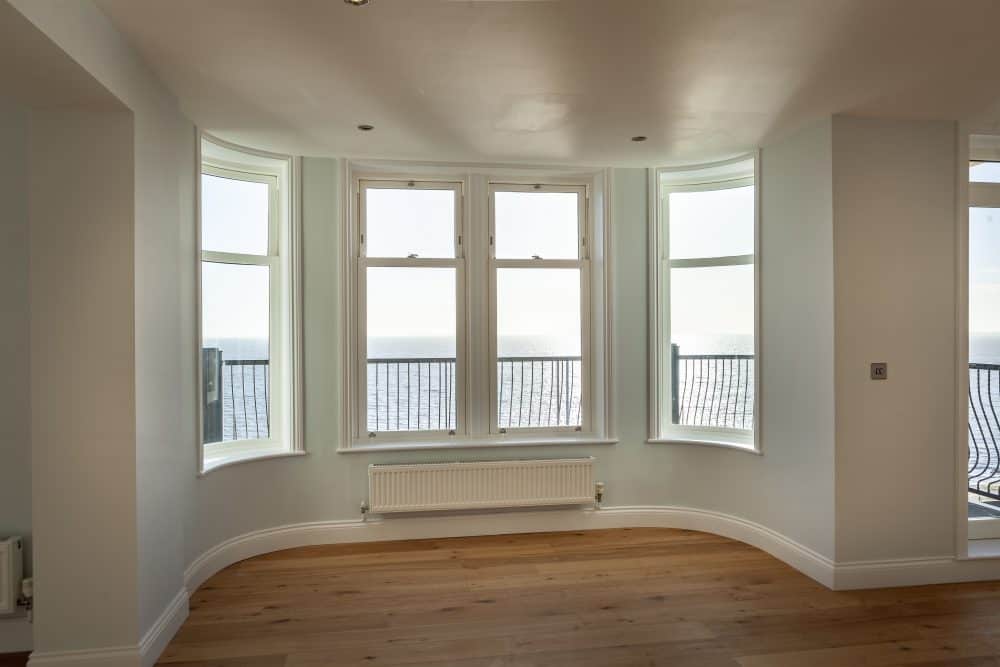
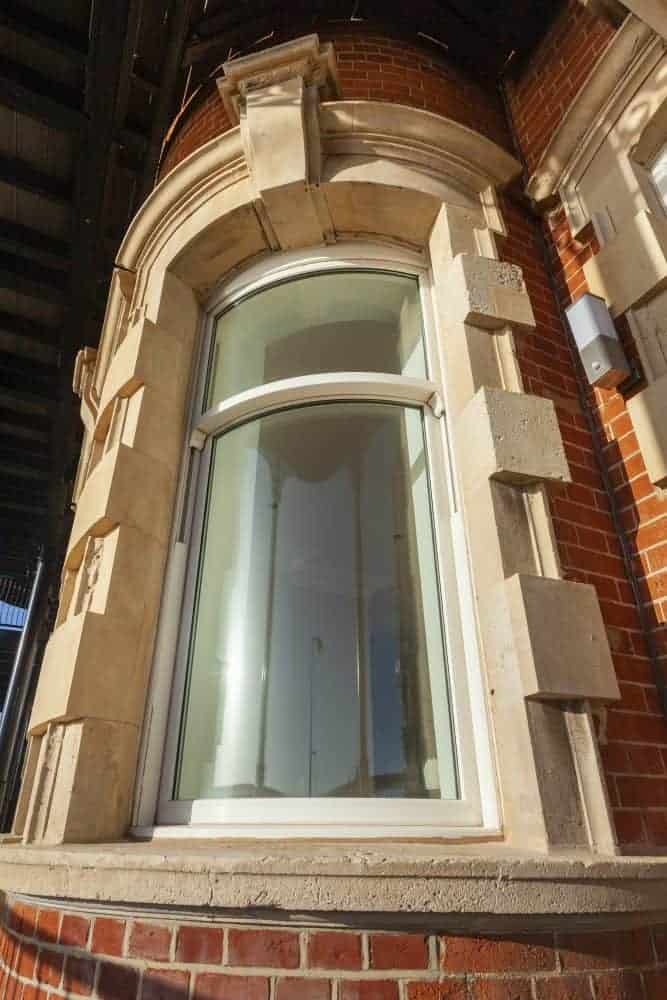
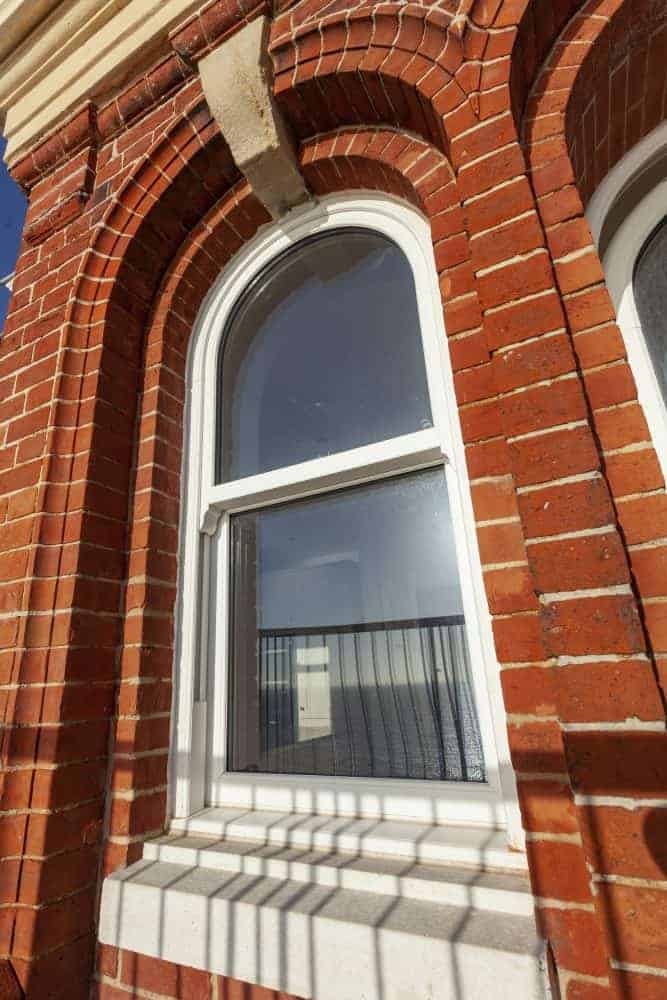





What Is a Bay Window?

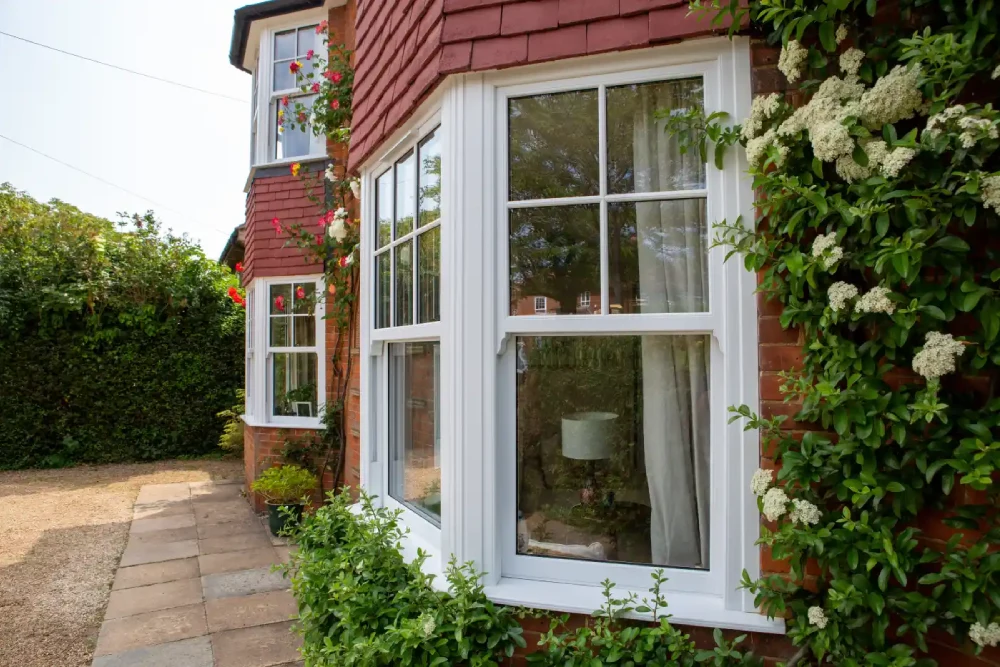
A bay window is an arrangement of three or more individual window units. A bay window adds a projection to the wall which can be stood in, adding a stylish look from the outside and a great place to sit and relax on the inside. Bay windows can be crafted from PVC-U, timber or aluminium double glazing to fit with the style of any property.

Why Choose Bay Windows?

Bay windows allow you to enjoy panoramic views of your outside space and are a perfect place to relax. Adding the sense of space and offering more light, due to the extra panes, whilst becoming a beautiful feature by proving charming character to your home. With a range of material options and colours to choose from, a bay window can be a unique and inspiring addition to your home.

Benefits of a Bay Window

Energy Efficient

Mercury’s bay windows are A+ rated as standard and made-to-measure so they fit your home perfectly and reduce heat loss. The space between these panes is filled with Argon gas and the spacers are coated with a low-conduction material to hold in more heat. Mercury’s bay windows are also fitted with weather-resistant Q-Lon seals which create a tight fit to keep out draughts and help keep your home warmer in the winter.

Security Features and British Standards

With Mercury bay windows you can rest assured that they are safe and secure as they exceed the level of security demanded by British Standards. An internal glazing bead prevents the glass from being removed from the outside for added peace of mind.

Stunning Design to Give Your Home a Unique Look

Mercury bay windows add character to a home and are a stylish addition to all properties. Mercury’s PVC-U bay windows are available in a range of colours to give your home a personalise aesthetic, while Mercury’s aluminium bay windows add a contemporary look and complement the style and shape of the window.

What Is the Difference Between a Bay and Bow Window?

A bay window and bow window are similar and sometimes difficult to tell apart from the outside, but they do have one clear difference. A bow window is a unit planted onto the wall and therefore the projection created cannot be stood in, whereas a bay window adds a projection to the wall which can be stood in from the inside. If you are looking for bay or bow windows for your next project, please contact the Mercury team who will be happy to discuss the options available.

Sorry, there are no posts to display

From sash windows to aluminium bifold doors, our high-quality products are engineered and manufactured right here in Britain. We work with fellow UK-operated companies, Spectus Window Systems, Smart Systems, and Jack Aluminium Systems, to deliver only the very best to our trade, commercial and residential customers.

  • How much do French doors cost to install in the UK?

    The cost of installing French doors in the UK varies depending on the size, material, and design. At Mercury Glazing, we offer competitive pricing tailored to your specific needs. Please contact us for a personalised quote.

  • How to fit door handles?

    Fitting door handles can be a straightforward process. First, measure and mark the position on the door, drill the necessary holes, then attach the handle with screws. For detailed instructions or professional fitting services, feel free to reach out to us.

  • How to replace patio doors?

    Replacing patio doors involves removing the old doors, preparing the opening, and installing the new doors. It's a task best handled by professionals to ensure a perfect fit and functionality.

  • How much do patio doors cost?

    The cost of patio doors varies based on size, material, and design. Contact us at Mercury Glazing for a bespoke quote that matches your specific requirements.

  • How much are French doors?

    The price of French doors depends on the material, size, and design details. We offer a range of options to suit various budgets. Please get in touch for a tailored quote.

OUR ACCREDITATIONS

What does the 2023 Future Homes and
Buildings Standards consultation mean for installers?

In December 2023, the government launched its Future Homes and Buildings Standards: 2023 consultation. In this blog, we answer your questions on the consultation document and look at what it means for installers.

What is the Future Homes and Buildings Standards consultation?

The consultation sets out the government’s plans for achieving the Future Homes Standard and Future Buildings Standard, which aim to ensure that all new homes are zero-carbon ready by 2025. This means houses will be zero carbon once the electricity grid has been decarbonised.

The consultation sets out technical proposals for the changes to the Building Regulations, the associated Approved Document guidance and calculation methods that will be needed to achieve zero carbon homes.

It asks for expert input on changes to Part 6, Part L (conservation of fuel and power) and Part F (ventilation) of the Building Regulations for dwellings and non-domestic buildings. It also seeks evidence on previous changes to Part O (overheating).

What does the Future Homes consultation say about windows?

All the talk in the industry last year was that the Future Homes Standard would require windows to meet thermal efficiency levels of 0.80W/m²K. There was widespread concern about how feasible this would be given how difficult this figure is to achieve without using triple glazing or gas-filled units.

The good news is the government isn’t proposing to reduce thermal efficiency requirements beyond the 1.2W/m²K introduced in the 2021 update to Part L of Building Regulations. The reason it isn’t proposing to reduce the figure again because it sees no benefit in it.

The consultation says: “We investigated including better walls, floors, roofs, triple glazing and improved thermal bridging.” The results of these investigations were clear: “fabric improvements are increasingly not a cost-effective intervention to reduce carbon.”

This is good news for our industry if it goes ahead because it will not require widespread re-engineering or re-tooling. However, there is one potential concern in a related consultation on the new ‘Home Energy Model’ (HEM), which will replace the Standard Assessment Procedure (SAP) for the energy rating of new homes.

Under HEM, a window’s U value will need to be calculated using its actual size and configuration rather than the ‘standard’ window configuration (1230×1480 open/fixed).

Most new windows are smaller than the standard window configuration, which changes the frame-to-glass ratio. Because frames are less thermally efficient than glass, especially when they use steel reinforcement, this will make achieving even 1.2W/m²K harder. The reality of the proposal is it may mean more windows need to use triple glazing or gas-filled units to achieve the required thermal efficiency levels.

What does the consultation mean for installers?

At the moment, the consultation is just that, a consultation. It doesn’t affect installers day-to-day work at all. However, the detail of the consultation does highlight the importance of working with a fabricator that’s on top of regulatory change. Partnering with a fabricator who’s with you every step of the way is essential. Here at Mercury Glazing we work with commercial contractors, builders, specifiers and installers to deliver high quality windows, doors and screening products that meet or exceed all the latest regulations.

How can installers participate in the Future Homes and Buildings Standards consultation?

It’s important to make your voice heard in this consultation. It’s vital the government hears from people who really understand the practical implications of their proposals. As an industry, we need to reiterate the value of maintaining U values at their current levels. We also need to alert it to the reality of switching to the Home Energy Model.

To contribute to the Future Homes consultation and the Home Energy Model consultation, visit https://www.gov.uk/government/consultations/the-future-homes-and-buildings-standards-2023-consultation/. The consultation is open now and closes at 11:59pm on 6 March 2024. To talk about partnering with a fabricator who’s by your side when it comes to ensuring your products meet and exceed all regulatory and quality requirements, get in touch.

Sorry, there are no posts to display

From sash windows to aluminium bifold doors, our high-quality products are engineered and manufactured right here in Britain. We work with fellow UK-operated companies, Spectus Window Systems, Smart Systems, and Jack Aluminium Systems, to deliver only the very best to our trade, commercial and residential customers.

  • How much do French doors cost to install in the UK?

    The cost of installing French doors in the UK varies depending on the size, material, and design. At Mercury Glazing, we offer competitive pricing tailored to your specific needs. Please contact us for a personalised quote.

  • How to fit door handles?

    Fitting door handles can be a straightforward process. First, measure and mark the position on the door, drill the necessary holes, then attach the handle with screws. For detailed instructions or professional fitting services, feel free to reach out to us.

  • How to replace patio doors?

    Replacing patio doors involves removing the old doors, preparing the opening, and installing the new doors. It's a task best handled by professionals to ensure a perfect fit and functionality.

  • How much do patio doors cost?

    The cost of patio doors varies based on size, material, and design. Contact us at Mercury Glazing for a bespoke quote that matches your specific requirements.

  • How much are French doors?

    The price of French doors depends on the material, size, and design details. We offer a range of options to suit various budgets. Please get in touch for a tailored quote.

OUR ACCREDITATIONS

How Commercial Glazing Can
Transform Your Workplace Environment

Toxic work environments have been getting a lot of attention recently – and for good reason. The simple truth of the matter is that when people are unhappy, they are less inclined – or even able – to produce their best work. More and more employers are becoming aware of the importance of workforce well-being. A positive, supportive and inclusive professional atmosphere will not only make the place a more pleasant place to be for everyone, it will also bolster a sense of pride and satisfaction in their efforts. This environment of employee happiness can be helped along in lots of different ways, but one of the most effective starting points is to design the physical space to be as workforce-friendly as possible. In their efforts to achieve this professional oasis, increasing numbers of employers are looking to commercial glazing to create the atmosphere and ambience they need. Here’s why:

Productivity

While it is true that artificial lighting is better than insufficient light levels, it can’t compete with the benefits of natural light. Exposure to daylight supports a healthy circadian rhythm. It is said that working in a day-bright space equates to three-quarters of an hour extra sleep a night compared to those who aren’t exposed. Energy levels are far easier to sustain and regulate when we’ve had proper sleep; lethargy is the nemesis of productivity.

Focus

Those who are exposed to sunlight find it much easier to engage with their work and to maintain focus once they have. Employees are far more likely to produce work of high quality and efficiency in an environment that allows more natural light in.

Staff Absences

Studies have shown that sick leave rates are far higher in places that have insufficient exposure to daylight. If your workforce appears to be taking a lot of sick days, it might be worth increasing their exposure to the positive effects of the outdoors.

Stress

Certain professional environments are naturally high-stress. Indeed, the right kind of stress can be a motivator. Incorrectly managed, however, and stress can easily be a destructive and distracting force. While creating a day-bright workplace won’t stop the causes of stress necessarily, it will go a long way to produce the conditions that will enable employees to better deal with it.

Collaboration

Having a light and airy atmosphere bolsters a sense of collective progress, community and collaboration. Happier people tend to find it much easier to work alongside or with others, particularly when that positivity is met with openness and enthusiasm. The foundations of any successful enterprise are based on teamwork; whatever can be done to promote this culture of cooperation is therefore a fairly safe investment. As well as the external glazing, internal commercial glazing solutions are an extremely effective way to achieve this openness in a workplace. Feeling part of a group is far easier when you can see one another.

Sales

In sales-driven professional environments, simply increasing the amount of natural light an indoor space is exposed to has been shown to increase business. This is no doubt connected to the mood of the workforce to some extent, but whatever the reason, it’s surely a win-win for all concerned.

Noise

Commercial glazing is hard to compete with when it comes to sound insulation. Having a noisy workplace can be devastating to the productivity of a team. This is just as true of the ambient levels allowed to filter through from the outside of the building as it is of the sounds that travel through it, from room to room. External commercial glazing is ideal for those who wish to maximize the amount of natural light their indoor space is exposed to while keeping it acoustically separate; internal systems allow this light to flow through the building uninhibited while maintaining the peaceful sanctity of those spaces.

Overall health and well-being

The sheer volume of literature available on the connections between Vitamin D exposure and general health and well-being is staggering. Here in the UK, where many of us spend 90% of our days indoors, getting enough natural light is a growing concern among healthcare professionals. Vitamin D helps combat depression, anxiety, fatigue, chronic pain and a whole host of other difficulties and ailments. It’s amazing to think that so many of us would be so much better off with just a little increase in our exposure to sunshine – even on overcast days – but the evidence is hard to ignore. Put simply, just about every aspect of a workforce’s performance will see a drastic boost when they are happy in their work. One of the easiest and most fail-safe ways to make this improvement is to maximize the amount of natural light your workforce benefits from.

Property value

Commercial glazing can add a significant amount to the resale value of your workplace. On the external shell of a property, the sleek and professional look of commercial glazing is a real plus for many potential buyers. While this still holds true of internal glazing systems, another important benefit is their flexibility. Those who might be interested in buying a property will be heavily incentivized by the fact that they can quickly and easily customize the space if it isn’t quite right for their needs.

Utility costs

Having to rely on electricity to provide enough light for your indoor space can be expensive. Any reduction in this reliance is therefore a sensible investment for any workplace – and that’s before we include the ecological benefits. Feeling as though our best interests are being catered to will obviously make anyone approach their work with more diligence and positivity; when the same efforts contribute to a reduction of outgoing costs, too, then we’re moving into the territory of common sense.

Sunlight – Nature’s medicine

There’s a reason many of us associate holidays with sunshine: exposure to natural light makes it easier for us to enjoy ourselves and have fun. A trip to somewhere warm is often described as a chance to recharge the batteries – a little extra daylight simply means they won’t be so drained in the first place.

Sorry, there are no posts to display

From sash windows to aluminium bifold doors, our high-quality products are engineered and manufactured right here in Britain. We work with fellow UK-operated companies, Spectus Window Systems, Smart Systems, and Jack Aluminium Systems, to deliver only the very best to our trade, commercial and residential customers.

  • How much do French doors cost to install in the UK?

    The cost of installing French doors in the UK varies depending on the size, material, and design. At Mercury Glazing, we offer competitive pricing tailored to your specific needs. Please contact us for a personalised quote.

  • How to fit door handles?

    Fitting door handles can be a straightforward process. First, measure and mark the position on the door, drill the necessary holes, then attach the handle with screws. For detailed instructions or professional fitting services, feel free to reach out to us.

  • How to replace patio doors?

    Replacing patio doors involves removing the old doors, preparing the opening, and installing the new doors. It's a task best handled by professionals to ensure a perfect fit and functionality.

  • How much do patio doors cost?

    The cost of patio doors varies based on size, material, and design. Contact us at Mercury Glazing for a bespoke quote that matches your specific requirements.

  • How much are French doors?

    The price of French doors depends on the material, size, and design details. We offer a range of options to suit various budgets. Please get in touch for a tailored quote.

OUR ACCREDITATIONS

Glazing for New Builds – What
Every Developer Should Consider

Designing a new-build property – for yourself or the market – is an extremely exciting and challenging task to undertake. The work is intense and, at times, difficult, but there are few things as satisfying as seeing the results of your labours standing proud. It is said that our eyes are the gateway to the soul. It is also said that windows are the eyes of our homes. Whether this makes glazing the gateway to the souls of our homes is debatable, but the importance of glazing in new-build properties is nevertheless beyond doubt. When we think about it, not many parts of a home work as hard as our windows and doors. They’re responsible for keeping us warm in the winter and cool in the summer; they keep us safe; they’re essential to the overall style and aesthetics of a building; they let us see without artificial light but need to be positioned in such a way as to maintain privacy; and increasingly, they are at the front line of our efforts in minimizing waste and damaging ecological impacts. So suffice to say, then, that choosing the right glazing should be pretty high on every developer’s list of priorities. Here’s the Mercury breakdown

Building Regulations

Before any plans can be made or designs can be thought about, it’s important to get to know exactly what Building Regulations expect of a new build. Building Regulations are rules and guidelines set by the government to ensure that all building projects are safe and limit the accumulation of waste and reduce harmful environmental impacts. The fitting of architectural glazing, as well as the performance of the products themselves, must comply with these regulations. Due to the ever-changing and evolving needs of the ecologically conscious times that we are living in, Building Regulations are being updated and tightened constantly, so even those who are mildly aware of the current state of affairs should still check to make sure their knowledge isn’t outdated.

Conservation restrictions

Another important factor to bear in mind before you commit to any designs is whether your proposed plot stands in an area with any restrictions. These restrictions are famously strict and could easily be in direct conflict with points of a design that you might not want to compromise on. It’s always a good idea to know exactly where you stand before encountering a significant hurdle later on.

Design

Now that you have a clear idea of what your new build can be, you can start to think about what you’d like it to be. With designs of windows and doors experiencing a golden age of ingenuity and technical advancement, it’s never been easier to achieve exactly the design you want without having to worry about how it might compromise its performance. One fundamental thing to bear in mind when choosing a design for your glazing is that what works from the outside of a building may not work so well from the inside, and vice versa. Making the right choice is as much about finding this balance as it is sourcing an aesthetic match.

Materials

The glazing industry is one of continuous refinement and improvement. Performance shortfalls historically associated with particular materials have been reduced or eradicated altogether in recent years, creating an environment where no matter your choice, you’ll have an item that functions well and looks great. While it is true that the improvements have been enormous, there are obviously still differences. If you have a strong preference one way or another, this question might be easier than most, but for those who don’t, it’s worth taking a look at the stylistic and functional pros and cons of each before making a decision.

Natural light

The amount of daylight entering the indoor spaces of a home is one of the most important considerations for any new-build developer. As well as minimizing the use of electricity – good for the environment and our bills – well-lit spaces also have huge health and well-being benefits. A simple way to determine the amount of light an indoor room will be exposed to is to compare the area of the floor with the area of glazing in the associated space. As a guide, it is said that glazing should be at least 20% of the area of floor space of the room it is part of. All of this can be worked out at the design stage of a property. In this way, you’ll have a fairly accurate idea of your property’s energy efficiency before you commit to the build.

Internal systems

Gone are the days when glazing was confined to the facade of a building. Nowadays, with internal screening systems and sliding and folding glazing units available, the indoor spaces of a project can be just as much part of the glazed domain as the outer ones. Having glazing in place of traditional internal dividing walls brings a whole host of benefits. Aesthetically, it gives the feel of an open-plan setup without the associated heating costs of a big, open area. Functionally, they allow natural light to reach further into the building, reducing the need for artificial lighting.

Proportions: the Golden Ratio

In most areas of design, the sizes of various aspects of a thing need to be considered alongside one another. If a particular aspect is too big or too small, it will make the project feel out of balance and look strange. The Golden Ratio is a term that’s used in lots of different disciplines. The ratio is 1:1.618 and can be seen in designs dating back thousands of years, from Stonehenge to the pyramids of Egypt. In architecture, this magic number is used in everything from the use of floor space in a room, elevations and the amount of a wall space that should be used for glazing.

The fruits of your labour…

The windows and doors of a new-build property make a huge difference to the overall feel and performance of the building. With so much choice and flexibility at your disposal, there’s a lot to consider, but take comfort in the fact that once the perfect glazing setup is found, you’ll be surprised how much of a design will fall into place.

Sorry, there are no posts to display

From sash windows to aluminium bifold doors, our high-quality products are engineered and manufactured right here in Britain. We work with fellow UK-operated companies, Spectus Window Systems, Smart Systems, and Jack Aluminium Systems, to deliver only the very best to our trade, commercial and residential customers.

  • How much do French doors cost to install in the UK?

    The cost of installing French doors in the UK varies depending on the size, material, and design. At Mercury Glazing, we offer competitive pricing tailored to your specific needs. Please contact us for a personalised quote.

  • How to fit door handles?

    Fitting door handles can be a straightforward process. First, measure and mark the position on the door, drill the necessary holes, then attach the handle with screws. For detailed instructions or professional fitting services, feel free to reach out to us.

  • How to replace patio doors?

    Replacing patio doors involves removing the old doors, preparing the opening, and installing the new doors. It's a task best handled by professionals to ensure a perfect fit and functionality.

  • How much do patio doors cost?

    The cost of patio doors varies based on size, material, and design. Contact us at Mercury Glazing for a bespoke quote that matches your specific requirements.

  • How much are French doors?

    The price of French doors depends on the material, size, and design details. We offer a range of options to suit various budgets. Please get in touch for a tailored quote.

OUR ACCREDITATIONS

Mercury Glazing Supplies renew
membership with SBD

Specialist trade fabricator Mercury Glazing Supplies has renewed its membership with Secured by Design (SBD), the official police security initiative.

Based in Gloucestershire, Mercury has grown to become one of the UK’s leading specialist fabricators of bespoke aluminium and PVC-U windows, doors and internal screening products. With a team of over 70 highly trained professionals across its multi-site operation, Mercury has established a strong reputation as a premier British manufacturer of high-quality products for the fenestration market.

Mercury works with a growing number of British commercial contractors, builders, specifiers and installers throughout the UK covering all market sectors. Products include a large range of aluminium window and doors in addition to the popular Spectus PVC-U sliding sash window, giving properties and projects an understated and elegant finish, suitable for heritage and contemporary builds.

You can find out more about Mercury and their range of SBD accredited products here.

Martin Halford, Director at Mercury, said: “The safety and security of our products is fundamental to our business and it’s a commitment to providing peace of mind to the end user. Furthermore, we know how much our customers value such recognition and are reassured by our continued membership with Secured by Design and the benefits it offers. We’re delighted to have renewed our membership.”

Ruari Robertson, Secured by Design, said: “I am delighted that Mercury Glazing have renewed their valued membership for a further three years and look forward to strengthening our relationship during that time”.

Secured by Design

Police Crime Prevention Initiatives (Police CPI), which is part of the UK Police Service, delivers a wide range of crime prevention and demand reduction initiatives across the UK. Secured by Design is the most well-known of the extensive Police CPI portfolio, with all initiatives designed to keep the public safe from crime and to reduce the demand on the police service.

Secured by Design (SBD) operates an accreditation scheme on behalf of the UK Police Service for products or services that have met recognised security standards. These products or services – which must be capable of deterring or preventing crime – are known as being of a ‘Police Preferred Specification’.

There are many hundreds of companies who produce over 7000 individual attack resistant crime prevention products in more than 30 different categories that have met the exacting Police Preferred Specification. This includes doors, windows, external storage, bicycle and motorcycle security, locks and hardware, asset marking, alarms, CCTV, safes, IoT connected products, perimeter security products and many others.

SBD is the only way for companies to obtain police recognition for security-related products in the UK.

Sorry, there are no posts to display

From sash windows to aluminium bifold doors, our high-quality products are engineered and manufactured right here in Britain. We work with fellow UK-operated companies, Spectus Window Systems, Smart Systems, and Jack Aluminium Systems, to deliver only the very best to our trade, commercial and residential customers.

  • How much do French doors cost to install in the UK?

    The cost of installing French doors in the UK varies depending on the size, material, and design. At Mercury Glazing, we offer competitive pricing tailored to your specific needs. Please contact us for a personalised quote.

  • How to fit door handles?

    Fitting door handles can be a straightforward process. First, measure and mark the position on the door, drill the necessary holes, then attach the handle with screws. For detailed instructions or professional fitting services, feel free to reach out to us.

  • How to replace patio doors?

    Replacing patio doors involves removing the old doors, preparing the opening, and installing the new doors. It's a task best handled by professionals to ensure a perfect fit and functionality.

  • How much do patio doors cost?

    The cost of patio doors varies based on size, material, and design. Contact us at Mercury Glazing for a bespoke quote that matches your specific requirements.

  • How much are French doors?

    The price of French doors depends on the material, size, and design details. We offer a range of options to suit various budgets. Please get in touch for a tailored quote.

OUR ACCREDITATIONS

Modern Elegance: How Commercial Glazing
Suppliers are Influencing Contemporary Architecture

Supply and demand seems like a fairly straightforward principle: a business will aim to provide their customers with the goods and services they need. Occasionally, however, people might not know that they want something until they see it or know that it’s a possibility. Most of us have experienced this in one way or another. Those who ply their trade in the catering industry will look to the innovators to get ideas and inspiration in much the same way that retailers will study market analytics for a head-start on their competitors. As consumers, we will often research alternatives before making any kind of investment, be it reading reviews or comparing the products’ specifications. From a commercial point of view, the ability to read the market and see the blind-spots – where supply doesn’t meet or hasn’t realized a particular demand – is priceless and equally rare. There are no shortcuts. In order to gain an appreciation for what might be the next big trend, there must first be an intimate and detailed knowledge of the relevant industry. In the modern built environment, where innovative glazing solutions are becoming more and more prominent in architectural design, it makes sense that glazing suppliers would be filling this role of industry trend-setters. From aesthetics and principles of manufacturing to the materials used and the products leading the way in their exemplification of contemporary design, let’s take a look at how glazing suppliers have become so pivotal in our collective perception of modern architecture.

Principles

One fairly important point about glazing is that it is just about always visible; nearly every building will have at least one window in view of those passing by. From a supplier’s perspective, this means that the quality of your products has nowhere to hide – a nightmare for those who might cut corners but a blessing for those of us who take pride in our work. Being so uniformly visible also makes glazing an industry that is obsessed with creating products which look as great as they perform and stand as a representation of current tastes and sensibilities. In today’s climate, modern glazing solutions have been designed and refined around this basic premise of doing more with less – and it is an ethos that has grown to incorporate aesthetics as much as function.

Zero Waste

All industrial processes create by-products. While it may be impossible to completely rid the architectural trade of waste, there are parts of it that are well along the path of minimizing it. One of the leaders in this regard is glazing. Due to the precision of the manufacturing process and the versatility of the materials used, the component parts of windows can be made to exact measurements, hugely reducing the waste that might build up over the course of a project. This reduction is just as important in the production of the items in the factory as it is in the lessening of the burden on landfill sites at the other of end a project. Another consideration in the conversation of a thing’s wastefulness is its life after its initial use. In the case of the glazing industry, materials like glass and aluminium are famous for the fact that they can be so easily recycled – a real plus in the ecology debate that is being replicated across the building trade as well as further afield.

Efficiency

Every stage of the glazing industry – from the factory to the fitting – is being continuously tweaked and improved upon. Arguably, no trade has been subject to more rigorous ecological targets, but it doesn’t miss a beat. This principle of maximizing the usefulness of our resources is fundamental to the evolution of glazing solutions, reversing the notion of diminishing returns into a model where things are more useful tomorrow than they are today.

Minimal design/ sleek aesthetic

One of the immediately noticeable things about our current sense of style is the push towards minimalism. While this can be attributed to the previous points of ecology, there’s an undeniable aesthetic appeal to it too. There is something particularly elegant about modesty and quiet confidence, a sensibility that exudes from contemporary glazing designs and one which is just as prevalent in the most high-spec commercial buildings as it is in residential properties.

Materials

If we were to take a look around at some of the most iconic buildings of today, the use of materials like aluminium and glass would be one of the first things that would spring to mind that connects them. Equally, if we were to think of the words modern elegance, it wouldn’t be long for these to be part of the conversation. This pairing has been synonymous with our image of modernity for quite some time now. Some of their key attributes – transparency, strength, flexibility, versatility, efficiency – are so closely linked to the world we now find ourselves in that it’s no wonder they have become almost ubiquitous with contemporary design and emblematic of our pursuit of sustainability.

Choice and customisation

Mass production has historically meant making a range of items over and over again in the hope that the limited choice could be made to suit the vast majority of people’s plans and tastes. An obvious shortcoming of this way of thinking is the expectation that customers would build their designs around the measurements of the products they had chosen. Some industries have begun to realize that this arrangement should be the other way around. Given that industrial processes have become so precise, shouldn’t this precision be passed on to customers? Quality glazing suppliers have done just this. It is one area of architectural design that really got behind the bespoke revolution – and glazing can be made to all sorts of shapes and sizes according to the preferences of the customer, in full confidence that there will be no drop-off in quality or satisfaction. At Mercury, we have taken this yearning for choice to heart. That’s why we offer the range of options we do, with decades of experience and expertise to back it up!

Products

Thanks in large part to the scientific and technical advancements of recent years, you don’t need to look at just the traditional points of glazing to see the innovations on display. Glass can be used in ways that just a few short years ago would have been unthinkable. It says a lot about people’s attitudes towards glass as a material that improvements and new products are immediately met by a high demand – it’s almost as though there was a glazing-shaped hole waiting to be filled. Here’s just a couple of examples of these advancements in action.

Verandas and sun rooms

Having a space which acts as a bridge between the indoor and outdoor parts of our homes has been popular for years, but the ability to build a sun room or veranda with such strong emphasis on glass is a fairly recent development and has been a real game-changer. Gone are the days when thick and obstructive frames were needed to support such a structure; the products today allow designers to wring every last drop of the available sunshine, even in the chillier winter months. With modern glazing’s thermal and acoustic credentials, these spaces can be designed to make the most of the good weather whilst mitigating a lot of the negative effects of the bad weather, all while maintaining the seclusion and privacy of our lived spaces.

Structural Glazing

Standard glazing has always been separate from the materials we use to ensure the integrity of the structure of a building. With structural glazing, however, large panes of glass are used instead of brickwork or an equivalent, to form the external shell of a property. There is a definite dignified elegance in the use of continuity as a design feature. From the outside, the harmony of a single predominant material is aesthetically pleasing.

Sorry, there are no posts to display

From sash windows to aluminium bifold doors, our high-quality products are engineered and manufactured right here in Britain. We work with fellow UK-operated companies, Spectus Window Systems, Smart Systems, and Jack Aluminium Systems, to deliver only the very best to our trade, commercial and residential customers.

  • How much do French doors cost to install in the UK?

    The cost of installing French doors in the UK varies depending on the size, material, and design. At Mercury Glazing, we offer competitive pricing tailored to your specific needs. Please contact us for a personalised quote.

  • How to fit door handles?

    Fitting door handles can be a straightforward process. First, measure and mark the position on the door, drill the necessary holes, then attach the handle with screws. For detailed instructions or professional fitting services, feel free to reach out to us.

  • How to replace patio doors?

    Replacing patio doors involves removing the old doors, preparing the opening, and installing the new doors. It's a task best handled by professionals to ensure a perfect fit and functionality.

  • How much do patio doors cost?

    The cost of patio doors varies based on size, material, and design. Contact us at Mercury Glazing for a bespoke quote that matches your specific requirements.

  • How much are French doors?

    The price of French doors depends on the material, size, and design details. We offer a range of options to suit various budgets. Please get in touch for a tailored quote.

OUR ACCREDITATIONS

Trickle vents in windows – what is the law
and how does it affect new projects?

In June 2022, a new Approved Document F, which covers ventilation in buildings, came into force. The regulations mean that, in most cases, trickle vents in windows will be needed. There was a grace period on the need to comply with the new regulations. If your project had received approval before 15 June 2022, you had until 15 June 2023 to start the work and comply with the previous set of standards. The grace period has now ended. The new regulations now apply to all projects that started after 15 June 2023, no matter when they received approval.

What does the new Part F of building regulations say about trickle vents in windows?

The regulations say: “There shall be adequate means of ventilation provided for people in the building.”

The aim is to protect the health of a building’s occupants by providing adequate ventilation. Without adequate ventilation, mould and internal air pollution might become hazardous to health.

A full explanation of the regulations and when and where they apply is given in the Approved Document. However, here is a brief overview.

According to the regulations, ventilation relies on a combination of all of the following:

  • Extract ventilation: the removal of air directly from an internal space or spaces to the outside. Extract ventilation may be by natural means or by mechanical means (e.g. by an extract fan or a central system).
  • Whole dwelling ventilation: nominally continuous ventilation of rooms or spaces at a relatively low rate to dilute and remove pollutants and water vapour not removed by extract ventilation, purge ventilation or infiltration, as well as to supply outdoor air into the dwelling.
  • Purge ventilation: the manually controlled ventilation of rooms or spaces at a relatively high rate to rapidly dilute pollutants and/or disperse water vapour. Purge ventilation may be provided by natural means (e.g. an openable window) or mechanical means (e.g. a fan).

Trickle vents in windows fall into the category of whole dwelling ventilation. They are classed as background ventilators, a small ventilation opening designed to provide controllable whole dwelling ventilation.

How big do trickle vents in windows need to be?

The minimum whole dwelling ventilation rate for the supply of air to the habitable rooms in a dwelling should meet:

  • a minimum rate of 0.3 litres per second per metre2 of internal floor area
  • a minimum rate determined by the number of bedrooms.

The Approved Document gives background ventilator sizes for the whole dwelling in common situations to help designers comply with the regulations.

The sizes are given as an equivalent area in mm2, not as a free area. BS EN 13141-1 includes a method of measuring the equivalent area of background ventilator openings.

Note that background ventilators should have the equivalent area marked on them where it will be easy to see from inside the dwelling when they are installed, to aid verification by building control bodies.

Mercury Glazing has you covered when it comes to trickle vents in windows

It’s useful to have an understanding of Part F of Building Regulations and the use of trickle vents in windows.

At the same time, you should also feel confident in your fabrication partner’s expertise and ability to help you navigate the requirements for trickle vents in windows.

Here at Mercury Glazing, we’re with you every step of the way from consultation to installation. We’re always happy to advise you on technical specifications and regulatory requirements to help ensure your projects comply with the requirements.

We work with commercial contractors, builders, specifiers and installers to deliver resilient, high-quality, compliant windows, doors and screening products for commercial, new build, residential and refurbishment projects. To discuss your requirements for your next project, get in touch today.

Sorry, there are no posts to display

From sash windows to aluminium bifold doors, our high-quality products are engineered and manufactured right here in Britain. We work with fellow UK-operated companies, Spectus Window Systems, Smart Systems, and Jack Aluminium Systems, to deliver only the very best to our trade, commercial and residential customers.

  • How much do French doors cost to install in the UK?

    The cost of installing French doors in the UK varies depending on the size, material, and design. At Mercury Glazing, we offer competitive pricing tailored to your specific needs. Please contact us for a personalised quote.

  • How to fit door handles?

    Fitting door handles can be a straightforward process. First, measure and mark the position on the door, drill the necessary holes, then attach the handle with screws. For detailed instructions or professional fitting services, feel free to reach out to us.

  • How to replace patio doors?

    Replacing patio doors involves removing the old doors, preparing the opening, and installing the new doors. It's a task best handled by professionals to ensure a perfect fit and functionality.

  • How much do patio doors cost?

    The cost of patio doors varies based on size, material, and design. Contact us at Mercury Glazing for a bespoke quote that matches your specific requirements.

  • How much are French doors?

    The price of French doors depends on the material, size, and design details. We offer a range of options to suit various budgets. Please get in touch for a tailored quote.

OUR ACCREDITATIONS

Aluminium excellence with Mercury Glazing

Martin Halford, Managing Director at Mercury Glazing, showcases the company’s credentials for installers seeking to capitalise on the growth in aluminium.

From recent industry data, aluminium has never been more popular. Its durability and environmental credentials, coupled with its always-impressive aesthetics, make it an incredibly attractive option in today’s market.

Here at Mercury Glazing, our aluminium offer is impressive and has been designed to help installers tap into all the opportunities in aluminium right now.

It starts with our product portfolio, which showcases aluminium’s versatility across residential, new build and commercial applications, as well as its ability to deliver everything from heritage style to modern chic.

It includes the Alitherm 400 Aluminium Window, which is suitable for both commercial and residential projects and brings the understated style of a traditional casement window.

The Alitherm Heritage 47 Aluminium Window has been engineered to replace existing steel windows.

The contemporary Alitherm 800 Window takes influence from traditional timber frames, making it an unobtrusive and elegant option for modern spaces.

The Smart VS 600 Vertical Slider System can be used in heritage and conservation areas and is also suitable for high-occupancy buildings.

When it comes to bifold doors, we have recently added the Stellar Slimline Bifold Door, which provides the sturdy reliability you’d expect from a bifold but with the added touch of slimline sashes and a truly modern design. At 117mm in width, its slim meeting stiles give a great view, ensuring the glass remains the focal point.

We also have the Smart Visofold Series of aluminium bifold doors, which offers impressive opening apertures. And there’s also the Cortizo Aluminium Bifold Door, which can accommodate up to 14 sashes.

The Cortizo 4700 Aluminium Sliding Patio Door, which is ideal for large apertures, is available both in slide and lift & slide versions and offers a reduced interlock section and large glazed areas.

The AluSpace Internal Screening System can be used to divide or delineate residential and commercial spaces of any shape and size, while at the same time providing an effective acoustic barrier.

Completing the line-up is our range of Smart Signature Aluminium Doors, which covers a wide range of designs, colours and styles so there’s something for every style of home.

Alongside our product portfolio, Mercury customers also benefit from our commitment to excellence.

All products are manufactured in our state-of-the-art facilities in Gloucester. We recently opened a third manufacturing unit so we can keep pace with continued demand, and we’ve made considerable investments in automation machinery.

We have recently embarked on a lean manufacturing journey to optimise our manufacturing processes, enhance efficiency and, ultimately, deliver continued value to our customers. Just three months into our journey, we had our first ‘GREEN’ day, with all performance metrics meeting or exceeding targets.

We believe in investing in our personnel to nurture talent from within, equip them with the skills and knowledge required to excel and continually deliver manufacturing excellence. We have enrolled four of our manufacturing team on the Level 3 NVQ manufacturing programme supported by the government’s apprenticeship scheme. The qualification will give our employees a comprehensive understanding of advanced manufacturing techniques and principles, helping to deliver enhanced value to our customers.

Above everything is our focus on customer service. From consultation to installation, our team will be with you every step of the way. To enhance this commitment, we recently appointed an Internal Sales Coordinator to proactively support the customer journey, ensuring a seamless experience from initial enquiry to long-term account support.

Our commitment to excellence, combined with our 20+ years’ experience in the industry, has made us one of the UK’s foremost fabricators of premium-quality windows and doors. Whether you’re considering aluminium to your portfolio for the first time or want to partner with a fabricator who can take your aluminium opportunities to the next level, give us a call. We’ll be delighted to show you how Mercury could benefit your business.

Sorry, there are no posts to display

From sash windows to aluminium bifold doors, our high-quality products are engineered and manufactured right here in Britain. We work with fellow UK-operated companies, Spectus Window Systems, Smart Systems, and Jack Aluminium Systems, to deliver only the very best to our trade, commercial and residential customers.

  • How much do French doors cost to install in the UK?

    The cost of installing French doors in the UK varies depending on the size, material, and design. At Mercury Glazing, we offer competitive pricing tailored to your specific needs. Please contact us for a personalised quote.

  • How to fit door handles?

    Fitting door handles can be a straightforward process. First, measure and mark the position on the door, drill the necessary holes, then attach the handle with screws. For detailed instructions or professional fitting services, feel free to reach out to us.

  • How to replace patio doors?

    Replacing patio doors involves removing the old doors, preparing the opening, and installing the new doors. It's a task best handled by professionals to ensure a perfect fit and functionality.

  • How much do patio doors cost?

    The cost of patio doors varies based on size, material, and design. Contact us at Mercury Glazing for a bespoke quote that matches your specific requirements.

  • How much are French doors?

    The price of French doors depends on the material, size, and design details. We offer a range of options to suit various budgets. Please get in touch for a tailored quote.

OUR ACCREDITATIONS

From Homes to High-rises: How Modern
Glazing Transforms Architectural Design

In order to appreciate how one period in our history is distinct from another, we need to look at what was popular at the time. To get a sense of what things were like, we might look at the clothes that were being worn, the music that was being listened to, or the stories that were being printed in the media. Another reliable indicator of an historical period is its architectural design trends. This has always been true, but since the industrial revolution and the dawn of mass-production, when building materials and processes became cheaper and increasingly standardised, this historical delineation has become ever clearer.

These days, a fairly accurate estimate of a building’s age can be worked out just by looking at the materials used and methods employed. Given its recent history of rapid and revolutionary improvement, contemporary architectural design might best be typified by its glazing. In today’s ecologically-minded world, advancements in the production of glass have come thick and fast. It’s stronger, more efficient and more versatile than ever before. Glazing can be used with full confidence of its green credentials and can be produced in sizes that would not have been possible in years gone by – without compromising its structural or thermal integrity. All of these aspects have fundamentally changed how architects are able to approach the designs of our buildings, from our homes to the high-streets. Let’s see it in action.

Smart Glass

Historically, a designer of a property would have a choice when it came to the outside structure: the surface would either be the wall or it would be glazing; it couldn’t really be both. Walls provide solidity, a drawback being that you can’t see through them; windows provide light, the downside being that, until recently, panes of glass could only be made to certain sizes – and, well, you could see through them: not so great for privacy. Smart glass – sometimes called light control glass or switchable glass – offers the best of both worlds. It can adjust the amount of light it lets through, meaning the same material can appear transparent or translucent – or somewhere in between – according to your needs. The technological innovations behind these designs go a long way to resolve the conflicting functional needs of a building’s external shell. Now, with smart glass fitted, a wall with maximum privacy can quickly become a window with maximum light. One extremely well-known use of this type of glazing is the BAFTA headquarters in London, 195 Piccadilly. Microsoft’s European HQ in Portugal is another example. In both, the attraction of a building that seems as open as it does private is obvious.

Solar Glass

Solar panel technology has come a long way in a very short space of time. While conventional setups are practical and sensible, there is a limit to the number you can have on your roof without planning permission – and even then there are restrictions. Solar Glass is a type of BIPV – Building Integrated Photovoltaic – material, which means that they are integrated into the building of the structure’s frame rather than needing to be fitted on to it. The benefits of producing energy from your home become clearer with each passing day, but the aesthetic appeal of keeping your roof clear and consistent with those of your neighbours is an equally important strength. Solar glass isn’t adjustable like smart glass, but can be produced to different levels of transparency. A couple of impressive examples of BIPV systems at work are the Copenhagen International School in Denmark and the Treurenberg building in Belgium.

Smart Glass

Glass curtain walls are non-structural in that they are not load-bearing. Despite this – and being more expensive than other wall systems – they have become steadily more popular in recent years. These systems offer practically unbroken views and will make more of the natural light than any other type of wall, meaning a reduction in electricity usage, too. While performance-related benefits are important, they fail to pay tribute to one of the most significant attributes of curtain walls: they look great. An early use of glass curtain walling can be seen in the Crystal Palace in London, which burnt down in 1936. The Shard – again in London – would be a more contemporary example. Modelled on a shard of glass, it serves as the perfect case in point for the aesthetic qualities of the material as a wall substitute.

Glass Roofing

If flooding your indoor space with as much natural light as possible is a priority, what better way to do it than to have transparent roofing? Thanks to modern innovations in glazing solutions, just such a thing is possible and has been growing in popularity over the past decade or two. As well as the well-being and cost-cutting benefits extra natural light can bring, glass roofs also make your ceiling a dynamic feature of your home or building. The attraction of looking up at the stars from the comfort of your sofa hardly needs explaining.

Energy Efficiency

This last point would apply to all of the above. Modern glazing in all its forms is in a continuous state of refinement. Everything from the production of the materials to the manufacturing and fitting of the products is improving all the time, bridging the gap between aesthetic preference and function. Because of this, glazing can be incorporated into the design of a building – commercial or residential – in ways that would never have been possible before. Speaking to a prevalence of opinion about the aesthetic and design qualities of glass, it didn’t take long for these advancements to translate into an explosion in popularity.

Glazing: A Sign of the Time

Glazing has always been a signifier of a period of architectural design. Structures from our history such as the Louvre and the Empire State building are iconic monuments to design innovations of their respective times – and the use of glass is one of the stand-out things about both. So, 100 years from now, what might people point to as a hallmark of early 21st century design? A good bet would be the glazing.

Sorry, there are no posts to display

From sash windows to aluminium bifold doors, our high-quality products are engineered and manufactured right here in Britain. We work with fellow UK-operated companies, Spectus Window Systems, Smart Systems, and Jack Aluminium Systems, to deliver only the very best to our trade, commercial and residential customers.

  • How much do French doors cost to install in the UK?

    The cost of installing French doors in the UK varies depending on the size, material, and design. At Mercury Glazing, we offer competitive pricing tailored to your specific needs. Please contact us for a personalised quote.

  • How to fit door handles?

    Fitting door handles can be a straightforward process. First, measure and mark the position on the door, drill the necessary holes, then attach the handle with screws. For detailed instructions or professional fitting services, feel free to reach out to us.

  • How to replace patio doors?

    Replacing patio doors involves removing the old doors, preparing the opening, and installing the new doors. It's a task best handled by professionals to ensure a perfect fit and functionality.

  • How much do patio doors cost?

    The cost of patio doors varies based on size, material, and design. Contact us at Mercury Glazing for a bespoke quote that matches your specific requirements.

  • How much are French doors?

    The price of French doors depends on the material, size, and design details. We offer a range of options to suit various budgets. Please get in touch for a tailored quote.

OUR ACCREDITATIONS

Making the most of the opportunities – glazing outlook

In the current market landscape, businesses are faced with a multitude of challenges, from economic uncertainties to the escalating cost of living crisis. As the domestic refurbishment market shows signs of a slowdown, the need for installers to seize every possible sales opportunity becomes even more crucial. Martin Halford, Director of Mercury Glazing, a leading specialist fabricator, sheds light on capitalising on market opportunities.

The fenestration industry finds itself in a state of flux, influenced by several external factors such as the cost-of-living crisis, rising inflation and economic instability. Amid a slowdown in home improvement spending, businesses must stay focused to maximise the existing sales opportunities.

History has shown that every market situation has its winners and losers. In the premium segment of the domestic market, opportunities still exist, with consumers seeking standout products with feature-rich qualities. Whether to complement a building’s heritage or promote a design-oriented aesthetic, there are still opportunities to be had. And as a specialist window fabricator, this is where we can help our customers gain a competitive advantage.

Two Decades of Glazing Excellence

Mercury Glazing was one of the UK’s first fabricators of the Spectus Vertical Sliding Sash Window and two decades later, sales of our PVC-U Sash Windows continue to grow year on year. Our Vertical Slider delivers the outstanding authenticity that today’s high-end projects demand and for applications where next-level heritage detailing is essential, we offer a mechanically jointed option too.

The broader appeal of vertical sliders, particularly in modern homes, has been steadily growing. By eliminating heritage detailing such as sash horns, we can produce sash windows with clean lines that immediately enhance the aesthetics of any space.

For customers looking for a modern twist on a classic style, coupled with superior strength and product durability, our aluminium vertical sliders continue to tick all the boxes.

We manufacture the versatile Smart VS 600 vertical slider system, which is suitable for both residential and commercial applications. It can be used in heritage and conservation areas and is also suitable for high occupancy buildings. The window offers a flush opening with no projection into or out of the building, making it ideal for schools and hospitals. The window features a low line glazing gasket that will accept 28mm sealed units for next-level aesthetics.

As one of a few specialist fabricators who manufactures both aluminium and PVC-U vertical sliders, we can offer our customers a wide range of window options to support all contracts.

For customers working in listed buildings and on specialist refurbishment projects, our Alitherm 47 aluminium windows offer a seamless blend of energy-efficient technology with the timeless aesthetics of traditional steel windows.

In the past, replacing steel windows with modern alternatives often meant sacrificing energy efficiency for aesthetics. However, with the Alitherm Heritage 47 range, you can have both. These windows help reduce heat loss and energy consumption, ensuring your customers’ homes remain comfortable and environmentally responsible.

Our Heritage 47 windows are available in a wide range of colour options. From heritage hues to metallic and dual-colour options, there is a perfect shade to suit the tastes and the architectural character of all projects.

It isn’t just the depth and breadth of our high-quality products that makes the difference. When you work with Mercury, you also get the experience of our specialist inhouse team who will work with you throughout the buying process.

All our products are manufactured by our skilled fabrication team in our dedicated production facilities in Gloucester. The expert team ensures every window is precision manufactured, resulting in premium products that combine functionality, durability, and high-end aesthetics.

As economic uncertainties persist, Mercury’s commitment to providing feature-rich product solutions that today’s consumers are looking for is front and centre of our operation. So, if you’re looking for a reliable specialist partner to navigate the ever-changing refurbishment market, then take a closer look at Mercury.

For more information, please visit www.mercuryglazing.co.uk.

Sorry, there are no posts to display

From sash windows to aluminium bifold doors, our high-quality products are engineered and manufactured right here in Britain. We work with fellow UK-operated companies, Spectus Window Systems, Smart Systems, and Jack Aluminium Systems, to deliver only the very best to our trade, commercial and residential customers.

  • How much do French doors cost to install in the UK?

    The cost of installing French doors in the UK varies depending on the size, material, and design. At Mercury Glazing, we offer competitive pricing tailored to your specific needs. Please contact us for a personalised quote.

  • How to fit door handles?

    Fitting door handles can be a straightforward process. First, measure and mark the position on the door, drill the necessary holes, then attach the handle with screws. For detailed instructions or professional fitting services, feel free to reach out to us.

  • How to replace patio doors?

    Replacing patio doors involves removing the old doors, preparing the opening, and installing the new doors. It's a task best handled by professionals to ensure a perfect fit and functionality.

  • How much do patio doors cost?

    The cost of patio doors varies based on size, material, and design. Contact us at Mercury Glazing for a bespoke quote that matches your specific requirements.

  • How much are French doors?

    The price of French doors depends on the material, size, and design details. We offer a range of options to suit various budgets. Please get in touch for a tailored quote.

OUR ACCREDITATIONS

x

Bradford Alvena 4

Lorem Ipsum is simply dummy text of the printing and typesetting industry. Lorem Ipsum has been the industry's standard dummy text ever since the 1500s, when an unknown printer took a galley of type and scrambled it to make a type specimen book. It has survived not only five centuries, but also the leap into electronic typesetting, remaining essentially unchanged. It was popularised in the 1960s with the release of Letraset sheets containing Lorem Ipsum passages, and more recently with desktop publishing software like Aldus PageMaker including versions of Lorem Ipsum.

x

Timmy Damian

Lorem Ipsum is simply dummy text of the printing and typesetting industry. Lorem Ipsum has been the industry's standard dummy text ever since the 1500s, when an unknown printer took a galley of type and scrambled it to make a type specimen book. It has survived not only five centuries, but also the leap into electronic typesetting, remaining essentially unchanged. It was popularised in the 1960s with the release of Letraset sheets containing Lorem Ipsum passages, and more recently with desktop publishing software like Aldus PageMaker including versions of Lorem Ipsum.

x

Bradford Alvena 2

Lorem Ipsum is simply dummy text of the printing and typesetting industry. Lorem Ipsum has been the industry's standard dummy text ever since the 1500s, when an unknown printer took a galley of type and scrambled it to make a type specimen book. It has survived not only five centuries, but also the leap into electronic typesetting, remaining essentially unchanged. It was popularised in the 1960s with the release of Letraset sheets containing Lorem Ipsum passages, and more recently with desktop publishing software like Aldus PageMaker including versions of Lorem Ipsum.

x

Bradford Alvena 3

Lorem Ipsum is simply dummy text of the printing and typesetting industry. Lorem Ipsum has been the industry's standard dummy text ever since the 1500s, when an unknown printer took a galley of type and scrambled it to make a type specimen book. It has survived not only five centuries, but also the leap into electronic typesetting, remaining essentially unchanged. It was popularised in the 1960s with the release of Letraset sheets containing Lorem Ipsum passages, and more recently with desktop publishing software like Aldus PageMaker including versions of Lorem Ipsum.

x

Bradford Alvena

Lorem Ipsum is simply dummy text of the printing and typesetting industry. Lorem Ipsum has been the industry's standard dummy text ever since the 1500s, when an unknown printer took a galley of type and scrambled it to make a type specimen book. It has survived not only five centuries, but also the leap into electronic typesetting, remaining essentially unchanged. It was popularised in the 1960s with the release of Letraset sheets containing Lorem Ipsum passages, and more recently with desktop publishing software like Aldus PageMaker including versions of Lorem Ipsum.

    Book A Consultation

    Attach File

      Get In Touch

      Attach File

        Download